
MOSCOW – Fifty years after embassies were first exchanged, Russia is not simply marking a diplomatic anniversary with the Philippines. It is using the occasion to press a much larger argument: that Moscow, despite Western sanctions and the economic isolation that followed the invasion of Ukraine, remains the most consequential energy alternative for a region the West has long taken for granted.
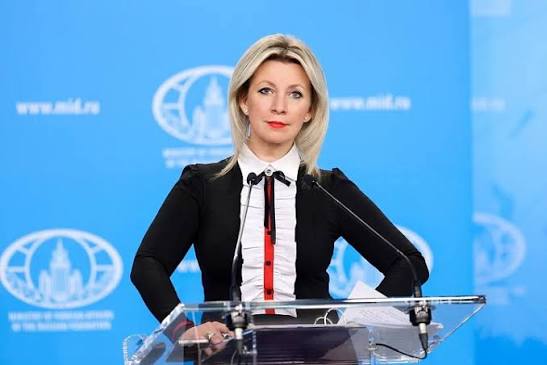
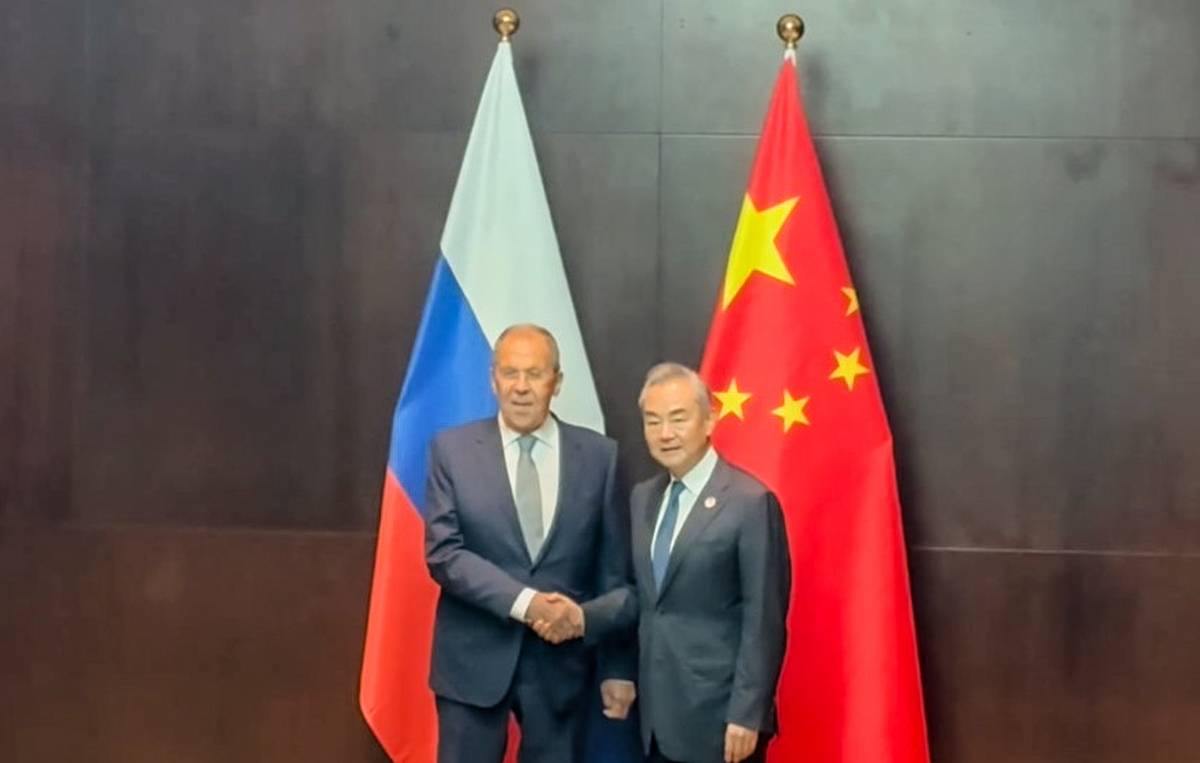
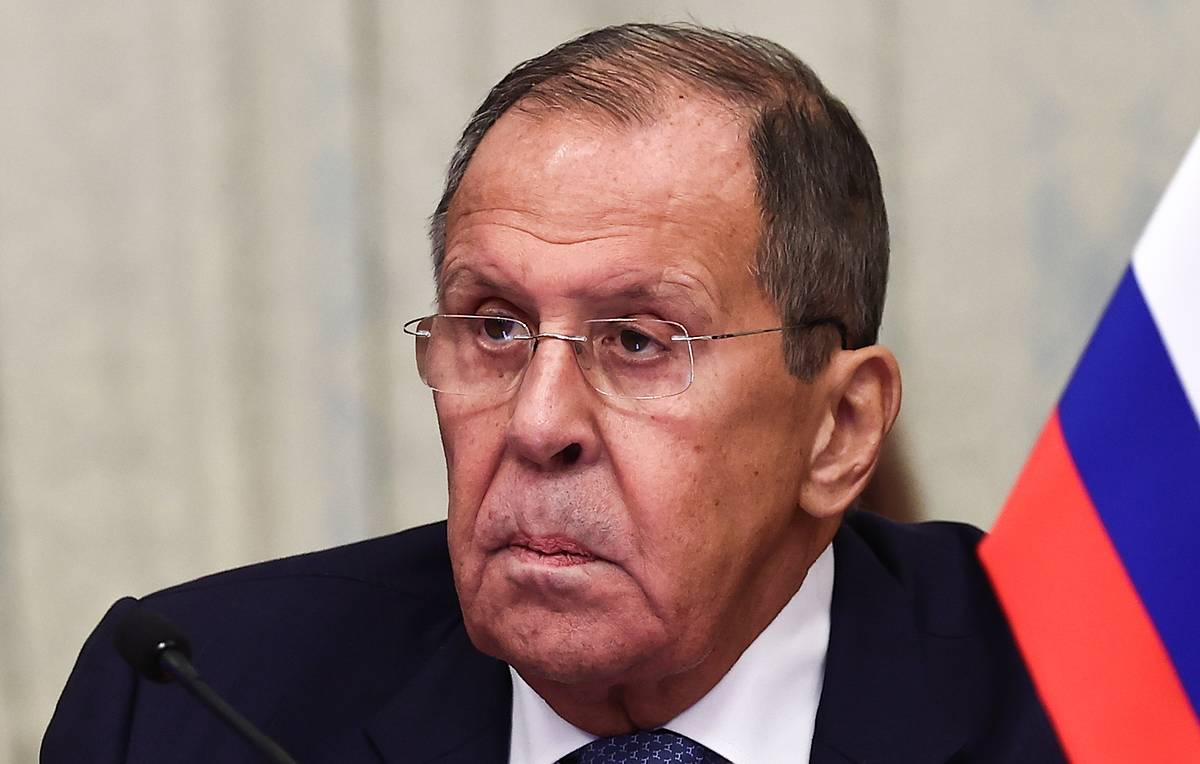
Russian Foreign Minister Sergey Lavrov made that case directly on Tuesday, delivering a video address to mark the 50th anniversary of diplomatic relations between Russia and the Philippines – ties established on June 2, 1976, with an embassy exchange following in 1977. The occasion was formal. The message was pointed.
“Russia has been and remains a reliable energy and food supplier to all Southeast Asian nations,” Lavrov said, in remarks reported by RIA Novosti. The line was not a pleasantry. It arrived at a moment when Southeast Asia’s relationship with Russian energy has become one of the most politically fraught questions in regional geopolitics – and for Manila in particular, an almost existential one.
The Philippines imports nearly its entire oil requirement. Historically, roughly 98 percent of those shipments originated from the Middle East. The partial closure of the Strait of Hormuz earlier this year shattered that supply chain almost overnight. By late March, gas stations along Quezon City’s Kalayaan Avenue were running dry. The government declared an energy emergency. And into that gap, a Russian crude carrier named Sara Sky arrived at Limay port in Bataan province on March 26, its cargo photographed by AFP photographers who had been waiting on the dock.
That single shipment reframed the conversation in Manila. The Philippines has since been seeking a United States sanctions waiver extension to allow continued Russian oil imports, with Energy Secretary Sharon Garin coordinating through the Department of Foreign Affairs. “We wanted to open the Russian window because we want more options,” Garin said in April. That request is still pending.
Lavrov’s anniversary address, then, dropped into a situation where Moscow already knows its leverage. The diplomatic milestone – a half-century of ties that survived the Cold War, the post-Soviet collapse, and years of American alliance management in the Pacific – provided a platform, not merely a pretext.
The Philippines is not alone in that recalculation. Indonesia, Southeast Asia’s largest economy, is importing 150 million barrels of Russian crude this year, following a meeting in April between President Prabowo Subianto and Vladimir Putin. Malaysia’s state oil company Petronas is negotiating additional Russian supply contracts. Vietnam and Thailand have both moved to protect domestic energy inventories. Russia has become, as one regional analyst put it, a very lucrative supplier – competing now not just for the Philippines’ business but for the entire bloc.
That competition has a formal architecture behind it. Russia and ASEAN are finalizing a 2026–2030 Plan of Action, currently being drafted by diplomatic missions in Jakarta, that would deepen the strategic partnership across energy, digitalization, trade, and what the Russian embassy described as “high-tech and knowledge-intensive industries.” The 35th anniversary of formal ASEAN-Russia relations falls this year. Bilateral trade between the two sides currently stands at approximately $21.6 billion – modest against China or the United States, but growing and compositionally significant in ways that raw figures obscure.
For Moscow, the Philippines serves a specific symbolic function. Manila remains a treaty ally of Washington, bound by the 1951 Mutual Defense Treaty, while simultaneously pursuing independent economic relationships that Washington finds uncomfortable. The Marcos administration has declined to characterize its Russian energy imports as a strategic pivot, framing them instead as supply-chain diversification during an emergency. Whether that framing survives a prolonged waiver negotiation in Washington – or whether Manila eventually faces pressure to choose – is one of the more consequential unanswered questions in the South China Sea’s political economy.
What Lavrov said Tuesday did not resolve that tension. Moscow does not need it resolved. What Tuesday’s address accomplished was to establish, on the record and on an occasion carrying diplomatic weight, that Russia sees Southeast Asia as a durable partner – not a temporary client of last resort.
The Philippines summit invitation to Putin for the ASEAN summit in Manila is still formally open, with no confirmed response from the Kremlin as of Tuesday. Manila is still awaiting Moscow’s answer on the ASEAN summit invitation, with the Kazan-Manila diplomatic back-channel active but unresolved. That silence, too, is a kind of leverage.
Russia’s pivot toward ASEAN has been building for years. In January 2025, Lavrov convened a meeting in Moscow with all ten ASEAN ambassadors accredited there, described by the Russian Foreign Ministry as focused on “practical collaboration.” The current energy moment has turbocharged what was already a sustained diplomatic campaign. Russia had already signaled Malaysia as a key anchor in that ASEAN strategy in May, framing Kuala Lumpur as a reliable Asia-Pacific partner in a broader push to institutionalize Moscow’s presence in the bloc.
Whether Russia can sustain that positioning – under the weight of sanctions, with an oil price cap still nominally in force, and with the Ukraine war consuming foreign policy bandwidth and hard currency alike – is not a question Lavrov’s anniversary address was designed to answer. It was designed to assert. And in Southeast Asia right now, assertion backed by arriving tankers carries considerable weight.
—Inputs from Sputnik.