WASHINGTON — The soldier preparing to rotate into Eastern Europe next year may have less practice than any of his predecessors in the past decade. That is not because the Army changed its training doctrine. It is because a barrel of jet fuel now costs $195.72, up from $154.14 in October, and nobody in the fiscal year 2026 budget process anticipated a war in Iran.
Internal Defense Department records reviewed by ABC News show the average price the Pentagon pays for fuel across roughly two dozen fuel types climbed nearly 27 percent in six months, a surge driven almost entirely by market disruptions tied to the conflict in the Persian Gulf. The consequences have moved from finance offices to training fields: Army units have sharply curtailed travel to exercises, canceled events wholesale since at least April, and are facing a broader budget shortfall of between $4 billion and $6 billion through the end of the fiscal year on September 30.
An internal Army assessment from April put the readiness consequence in plain terms. Units scheduled to deploy to Europe in 2027, a rotation that carries direct strategic significance amid ongoing negotiations over Ukraine and NATO force posture, may arrive undertrained. The assessment described the preparation as insufficient. The Army has not publicly released that document.
Lt. Col. Orlando Howard, an Army spokesperson, acknowledged the squeeze in a statement to ABC News, saying the service is prioritizing travel and equipment usage to preserve funding for critical operations. What those priorities displace is the question the statement left unanswered.
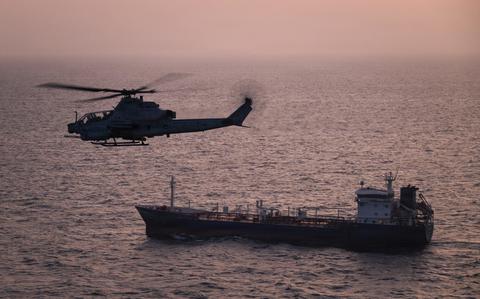
Fuel is the Pentagon’s most expensive operating input, and the Defense Department is by far the federal government’s largest single consumer. It burns roughly 227 million gallons of diesel and approximately 2.2 billion gallons of jet fuel annually. Purchasing contracts are typically set 18 months in advance, a structure that insulates the department from brief market fluctuations but provides no protection when prices stay elevated for longer than a budget cycle. The contracts include provisions that allow prices to be adjusted when the market shifts, which is precisely what happened as oil markets reacted to the February air campaign and the subsequent naval blockade of Iranian ports.
The Air Force is burning through fuel at a rate 10 percent above projections, according to figures ABC News attributed to a senior general. That overage compounds the Army’s problem: when the Air Force exceeds its fuel budget, the pressure on the departmentwide fuel account intensifies, leaving less margin for land-based training movements.
The financial exposure is not limited to kerosene and diesel. The Pentagon heavily relies on commercial airlines and rental cars to move troops to training events, and reimburses personal vehicle mileage. As civilian gas prices climbed past $4 a gallon, a level they had not reached since before the Iran conflict, when they sat below $3, those reimbursement and ticket costs rose in parallel with military fuel bills. Training events requiring inter-base travel became, in accounting terms, a fundamentally different kind of commitment than they were a year ago.
The pattern has a precedent. In 2022, after fuel prices spiked following the Russian operation in Ukraine, Congress stepped in twice, providing the Pentagon a combined $5.2 billion in emergency fuel relief. That precedent suggests a legislative fix is available, but it required months of congressional negotiation and came after markets had already destabilized.
Whether Congress moves as quickly this time is unclear. The Navy’s top admiral has separately warned that without a supplemental spending bill, personnel transfers and training events face suspension by July, a parallel fiscal crisis rooted in munitions and operational tempo rather than energy costs. The two problems together point at the same structural gap: the FY2026 defense budget was built before the Iran conflict existed as a planning assumption.
Defense Secretary Pete Hegseth sought a supplemental exceeding $200 billion in March, with munitions replenishment as the headline item. That request has stalled. Democratic opposition on constitutional authorization grounds is solid, and Republican support in the Senate is fragmented enough that passage before summer recess is not assured. The fuel cost problem, less visible than a missing missile stockpile, is unlikely to accelerate the political timeline.
The Marine Corps, notably, has not reported a funding shortfall or training reductions. Its smaller size and different operational posture account for the divergence. A Marine Corps spokesperson issued a statement saying the service adjusts spend plans annually to address contingencies, which in context reads less like reassurance than a description of what the Army is no longer able to do.
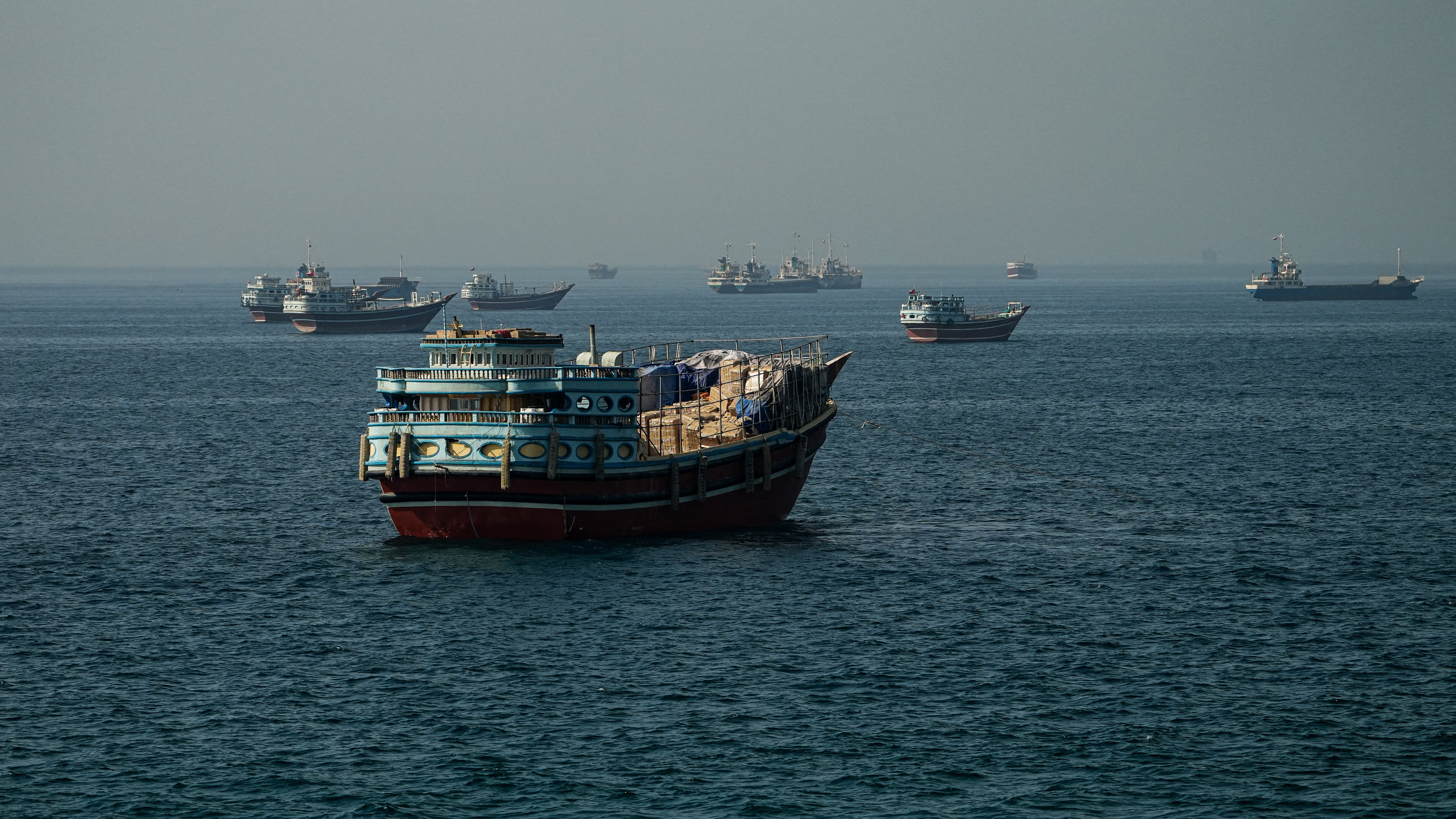
The ceasefire brokered in April remains nominally in place. Negotiations on a framework memorandum between Washington and Tehran are ongoing but unsigned, and the US naval blockade of Iranian ports continues. Sporadic exchanges of strikes have occurred in the weeks since. As long as the blockade holds, the oil markets that set the price per barrel in the Pentagon’s fuel contracts will hold it elevated, and the Army unit bound for Europe will keep falling short of the training hours it needs.
—Inputs from RIA Novosti, Sputnik.