ST. PETERSBURG — The phrase Kirill Dmitriev reached for on Thursday was not a diplomatic formality. The head of the Russian Direct Investment Fund and Moscow’s special presidential envoy for economic cooperation described the Russia-Saudi energy partnership as now operating at a “powerful strategic level” — then immediately volunteered that it had not always looked that way. “We used to have not very good relations,” Dmitriev told reporters on the sidelines of the 2026 St. Petersburg International Economic Forum. The candour was notable precisely because it came from one of the architects of the partnership itself.
The remarks came as the Kingdom of Saudi Arabia holds the guest-of-honor designation at this year’s forum — the most prominent such recognition in SPIEF’s 29-year history — and as Dmitriev confirmed he was planning a separate meeting with Saudi Energy Minister Prince Abdulaziz bin Salman on the sidelines of the event. “We are currently planning a meeting with Prince Abdulaziz who is the Energy Minister,” he said. “And, of course, Saudi Arabia’s cooperation is extremely important.” The forum runs through Friday.
The timing of those discussions carries weight that extends beyond bilateral hospitality. Global oil markets have been operating under acute strain since Iran’s effective closure of the Strait of Hormuz earlier this year, a disruption that has removed an estimated 14 million barrels per day of Middle Eastern supply from international flows and sent Brent crude prices lurching through repeated volatility cycles. Saudi Arabia and Russia are the two largest producers inside the OPEC+ framework, and the coherence of their coordination — or any fracture in it — is the single most consequential variable for where crude settles over the second half of 2026.
Dmitriev’s history with Riyadh is long and personal. He was a central figure in the original 2016 Moscow-OPEC deal that gave birth to the OPEC+ architecture — the first time Russia and Saudi Arabia formally aligned production policy — and in 2019, Crown Prince Mohammed bin Salman awarded him the King Abdulaziz Second-Class Order of Merit, the highest award the kingdom extends to foreign citizens, in recognition of his role in deepening bilateral cooperation. His presence at SPIEF this week, and his announcement of a coming Abdulaziz session, reflects how central the energy channel remains to the broader Russia-Saudi relationship even as both countries navigate the geopolitical turbulence of the current moment.
What the partnership looks like in practice has evolved considerably since those early OPEC+ meetings. Saudi Arabia led a delegation to SPIEF this year that included not only Prince Abdulaziz but also the kingdom’s ministers of industry and investment, alongside roughly 200 representatives from government agencies, banks, and Saudi Aramco. That breadth signals something beyond oil-production coordination: both governments have been moving to diversify the relationship into infrastructure, technology, and financial architecture that operates outside Western-denominated systems. The 100th anniversary of Russia-Saudi diplomatic relations — which falls this year — provided both sides with a ready ceremonial frame for that widening.
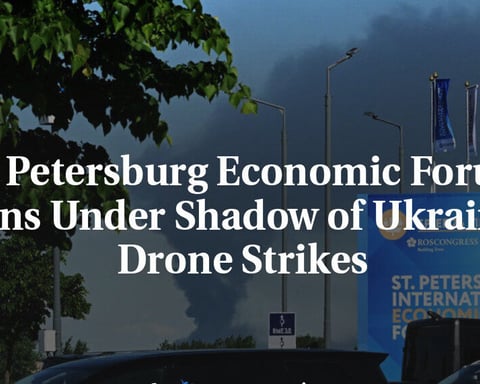
The forum itself has not been immune to the pressures that define Russia’s current strategic position. Ukrainian drone strikes hit energy infrastructure in and around St. Petersburg on the opening night, and the war is conspicuously absent from SPIEF’s official program even as its consequences — sanctions, oil-market volatility, the rerouting of global supply chains — shape almost every conversation at the forum. Dmitriev took a pointed swipe at the World Economic Forum in Davos on Wednesday, characterising SPIEF as a gathering of “sovereign countries” against what he called a “globalist” alternative. The framing is consistent with how Moscow has promoted the forum since Western delegations largely withdrew following the start of Russia’s military operation in Ukraine in 2022.
The United States sent a delegation to SPIEF this year for the first time in several years — an attendance that Russian officials and state media read as a concession to Moscow’s staying power rather than a gesture of diplomacy. Dmitriev has been the key Russian interlocutor with the Trump administration in the broader ceasefire process, participating in US-Russia-Ukraine talks in Abu Dhabi in January and February 2026 and meeting with senior White House economic officials. His simultaneous management of the Saudi energy channel and the American diplomatic track reflects the dual-track position he now occupies inside the Kremlin’s economic foreign policy.
What the planned Abdulaziz meeting will produce — if anything formal — is not yet known. Saudi Arabia has been threading a notably careful line through the Hormuz crisis: Riyadh’s own infrastructure was struck by Iranian missiles in March 2026, and the kingdom’s interest in restoring Gulf stability does not always map cleanly onto Russia’s preferred posture toward Tehran. That tension is the one Dmitriev and Prince Abdulaziz will be navigating in whatever room they eventually find at the Expoforum Convention Centre, with the global oil market listening for any signal that comes out.
The broader energy agenda at SPIEF 2026 has been dominated by discussions about long-term gas demand and the structural realignment of supply toward non-Western buyers — a theme that Russia and Saudi Arabia approach from different but complementary directions. For Moscow, the question is how to monetise reserves through new partnerships now that European demand has collapsed. For Riyadh, the question is how to sustain market share through the energy transition without conceding pricing power. The OPEC+ framework, which has been managing US shale competition alongside the Hormuz disruption, is the instrument both governments are currently relying on to hold that balance together — however unsteadily.
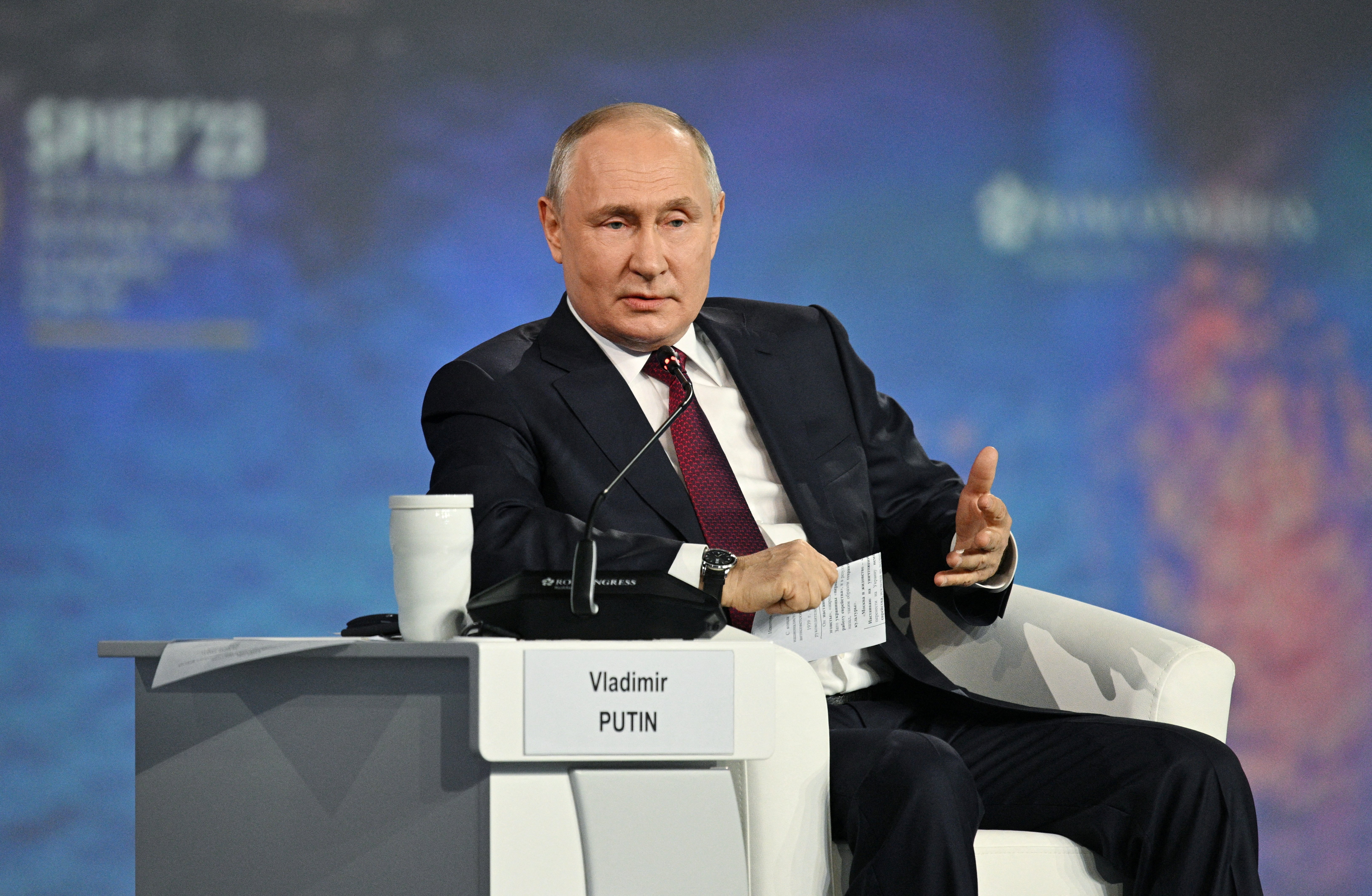
Russia’s SPIEF plenary on Thursday is expected to feature Saudi participation at the ministerial level, with Prince Abdulaziz among the speakers alongside Russian President Vladimir Putin. Whether that public setting is preceded by the bilateral Dmitriev-Abdulaziz session he flagged — and what, if anything, it yields — is the thing the oil market will be watching most closely by the end of the week.
—Inputs from RIA Novosti, Sputnik.