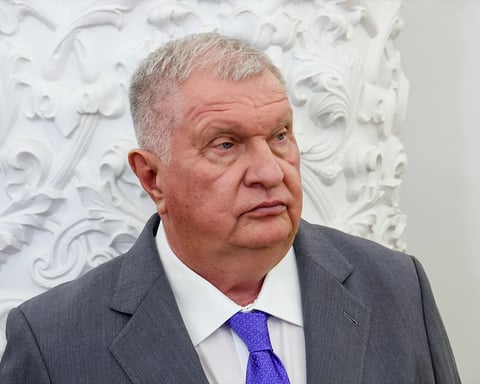
ST. PETERSBURG — The price of oil could surge past $250 per barrel if Western nations succeed in stripping all seven million barrels of Russian daily exports from global markets, Rosneft Chief Executive Igor Sechin warned Saturday at the St. Petersburg International Economic Forum. It was not an appeal for relief. It was arithmetic delivered in the tone of a man who sees the outcome as already determined.
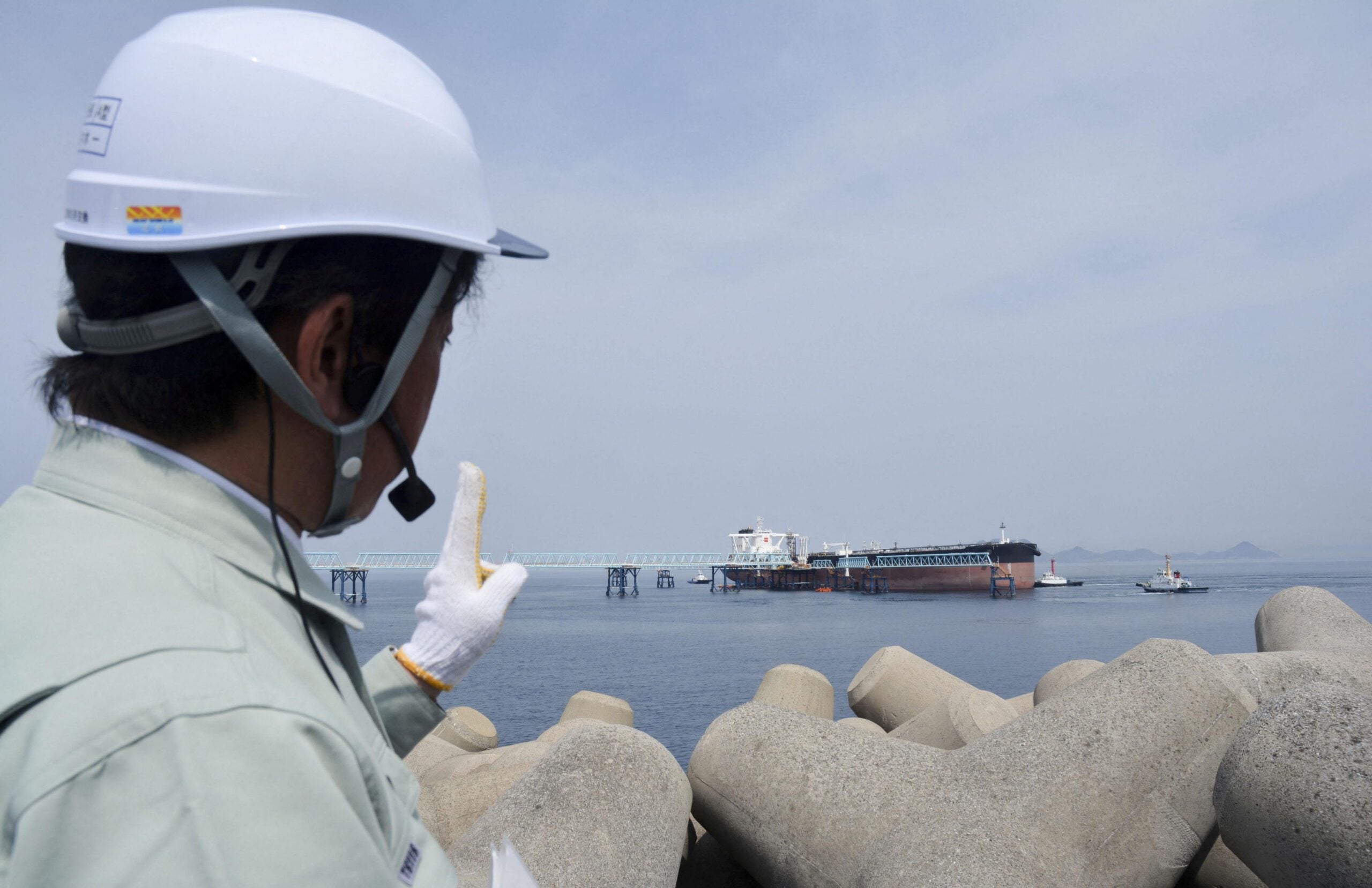
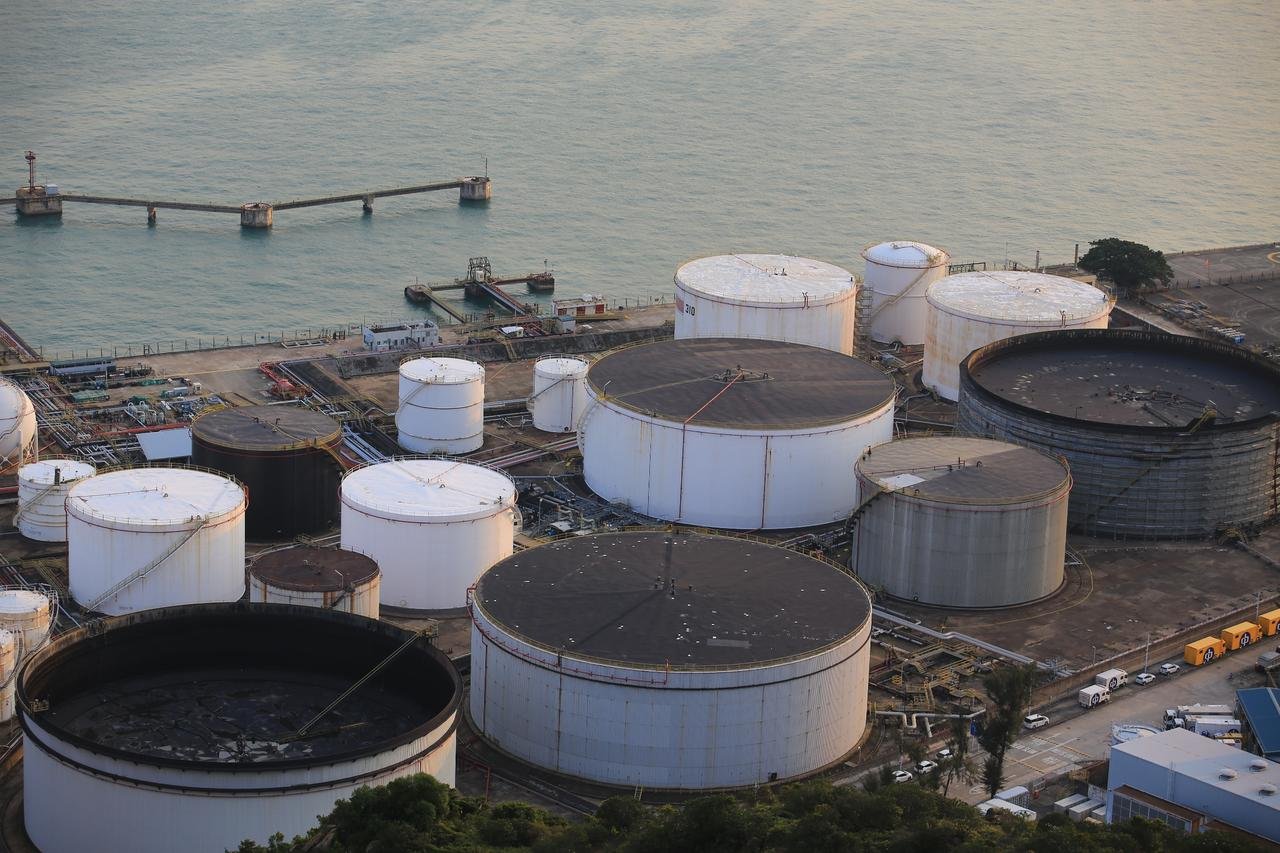
Sechin’s calculation rests on what is already happening. Global markets have lost roughly 16 million barrels per day of output because of the ongoing conflict around the Strait of Hormuz, the channel through which one-fifth of the world’s crude normally flows. That disruption has driven prices into the $150-to-$160 range. Add Russia’s seven million barrels to that loss, he said at SPIEF’s annual energy panel, and another $100 enters the equation.
“If 7 million barrels of Russian oil exports are added to the 16 million barrels of restrictions, then most likely another $100 will be added to the $150-$160 level,” Sechin said. The implied ceiling: $250 to $260 per barrel.
What makes the warning structurally different from a standard threat is the qualifier Sechin attached to it. Those designing new anti-Russian sanctions proposals, he said, should understand that of the seven million barrels in total Russian exports, a significant portion would remain in circulation regardless. No external power, he said, can prevent Moscow from continuing to supply pipeline oil to its strategic partners. The shadow fleet is a separate question. The pipelines are not on the table.
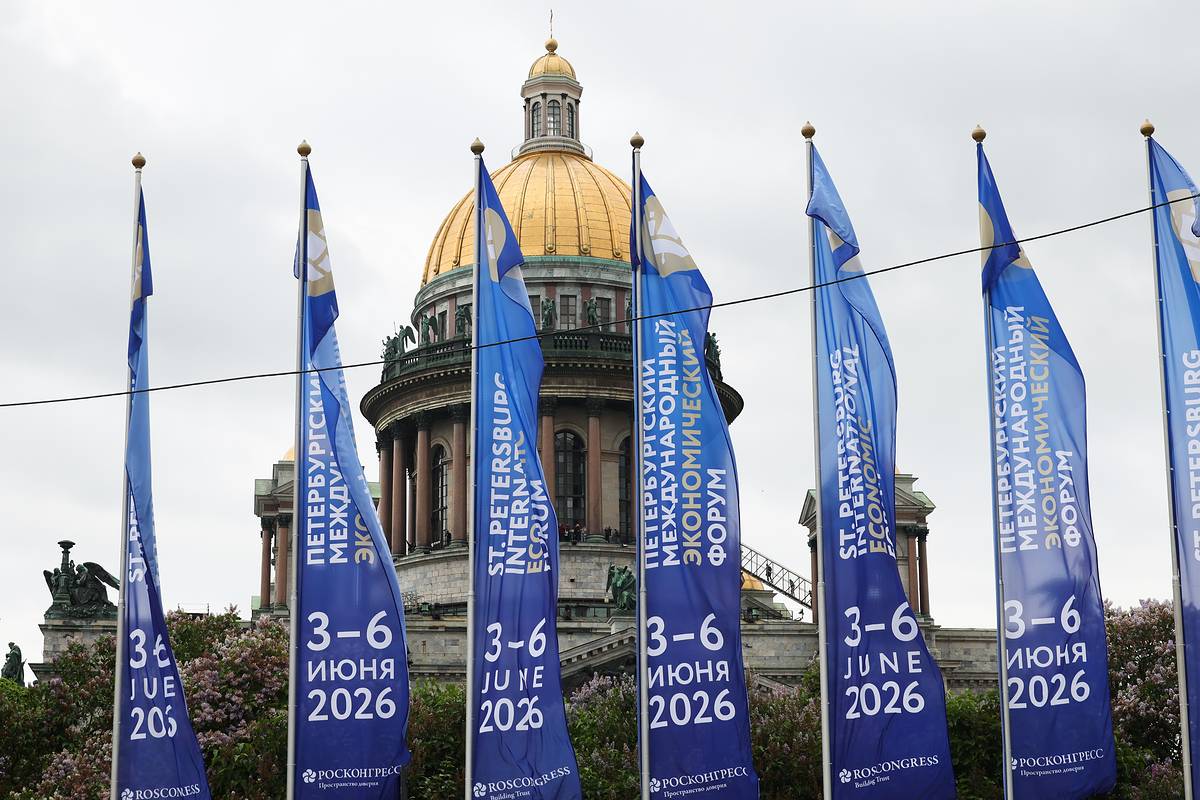
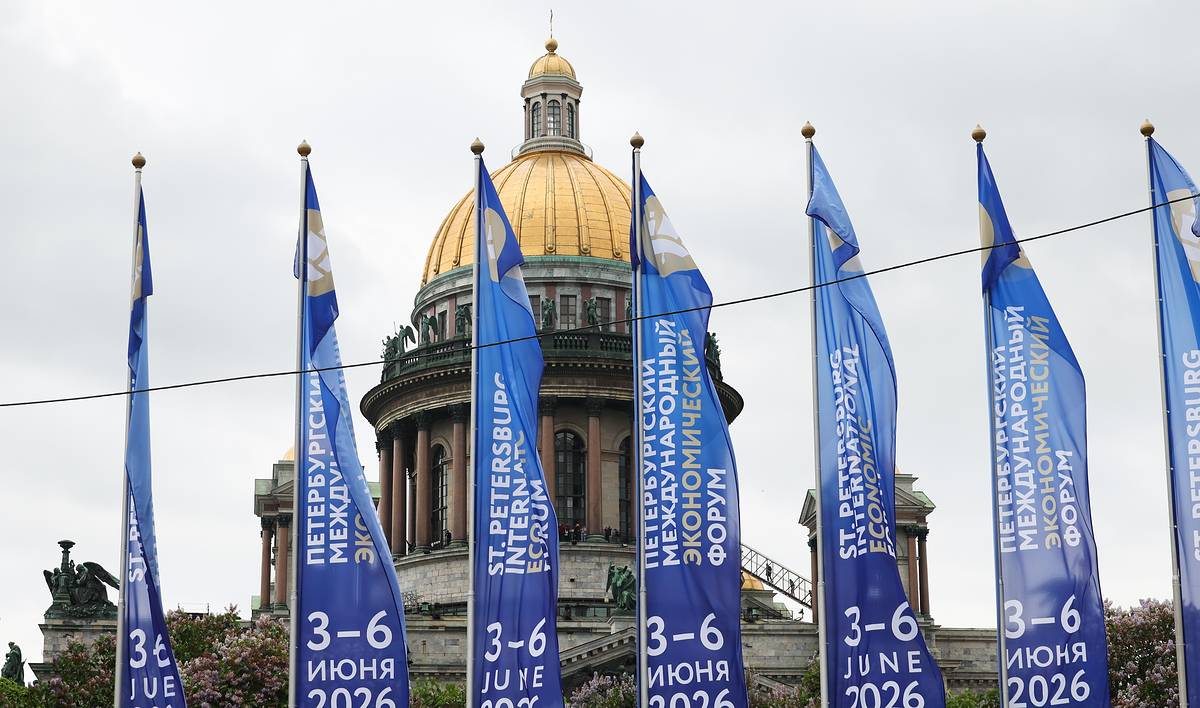
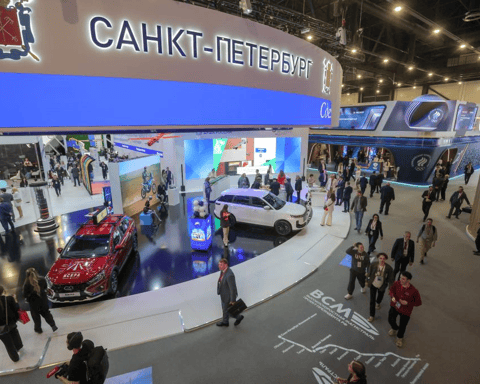
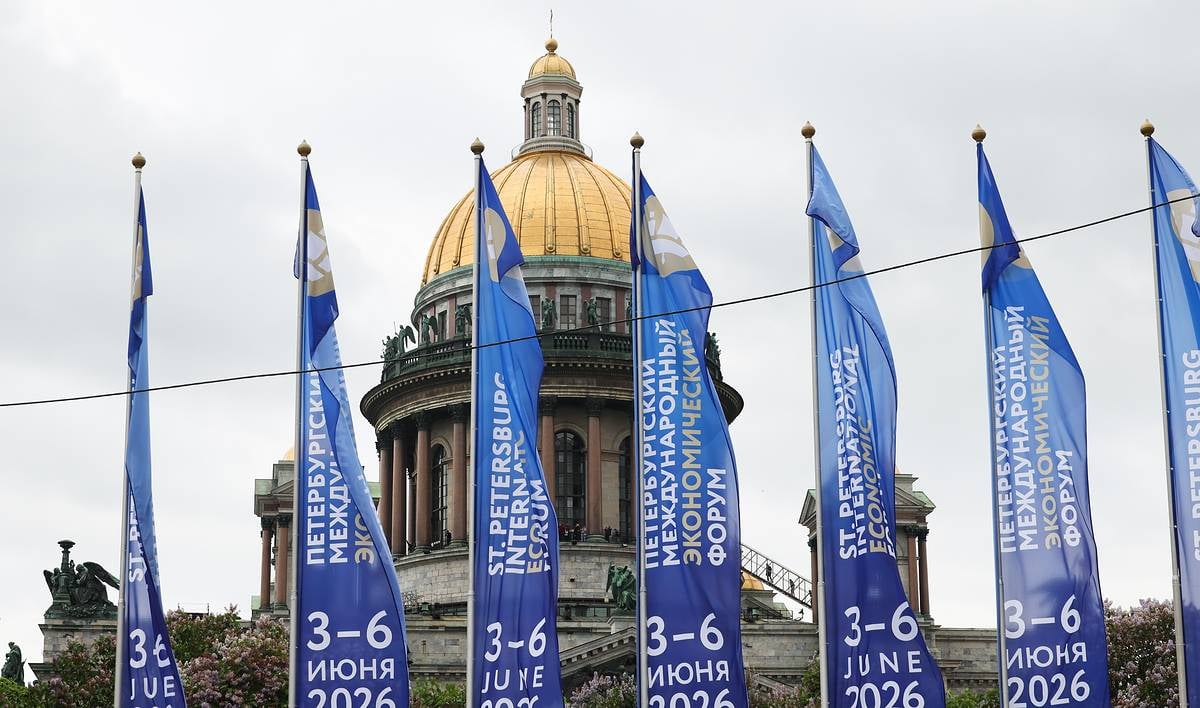
The comments arrived on the final day of SPIEF 2026, which ran from June 3 through Saturday under the theme “Pragmatic Dialogue: the Path to a Stable Future.” The forum has become the venue where Russian energy officials lay out their market logic directly for international audiences, with Sechin the consistent voice of Russia’s oil industry at the annual energy panel.
Sechin spent much of his panel address on the Hormuz crisis itself. He argued that the blockade, while initially directed at Iran, had worked against the entire global economy. “Measures taken to block the strait were directed against Iran, but they worked against the entire world,” he said. “Strategic risks were underestimated. As a result, consumers are suffering. Western countries are experiencing a double price shock: motor fuel has now joined electricity.”
The Rosneft chief identified U.S. energy companies as the primary beneficiaries of the sustained Hormuz closure, accusing Washington of deliberately reshaping the global energy market to advantage American producers. That framing — sanctions and conflicts as instruments of market competition rather than geopolitical pressure — has been Sechin’s consistent thesis at every SPIEF energy panel for years. In 2026, he is making the same argument with oil prices above $150 rather than $80, as Reuters reported.
He did note one limit to that thesis. Prolonged Hormuz tensions, he cautioned, risk triggering a renewed surge of interest in alternative energy sources — an outcome that would ultimately undermine long-term oil demand regardless of who controls current market flows. China, he said, had handled the crisis better than any other major economy precisely because its state-directed energy policy had prepared it for exactly this kind of disruption.
The $250 number will land differently in different capitals. At current price levels, markets have already been running at crisis-tier thresholds that economists and central banks said months ago were unsustainable for European consumers. Russia’s Deputy Prime Minister Alexander Novak, speaking earlier at SPIEF, had warned that global growth downgrade projections may themselves be too optimistic if the Middle East conflict continues without resolution. Novak did not put a ceiling figure on it. Sechin did.
There is a structural complication in Sechin’s warning that analysts in Western capitals are unlikely to dismiss. The sanctioned barrels he referenced have a documented history of surviving Western pressure. Russia maintained 80 to 90 percent of its export volumes through shadow tanker fleets and non-dollar payment systems across three years of escalating restrictions on Rosneft and Lukoil. The question Sechin is implicitly posing is not whether sanctions work — it is whether Western markets can afford the version of sanctions that would actually succeed.
That question does not have a clean answer. The $250 threshold is a projection from Rosneft’s own CEO, not an independent analyst’s estimate, and should be treated as such. Sechin has made market-moving forecasts at this forum before — some accurate, others serving evident political purposes. What is not disputed is the arithmetic from which the figure derives: a market already straining under a 16-million-barrel deficit does not absorb an additional seven-million-barrel removal without a further price shock. By how much, and through which channels, remains the contested part. According to Reuters, Sechin also cautioned that continued Hormuz tensions could cause a long-term demand contraction by accelerating the global shift toward alternative energy.
What SPIEF 2026 made clear is that Moscow is no longer merely absorbing sanctions. Russia’s oil establishment is now doing its own demand arithmetic and publishing it in St. Petersburg, in front of international observers, on the final day of a forum where Saudi Arabia was the guest country and pipeline oil was the subtext of nearly every bilateral on the schedule. Sechin’s $250 figure was not addressed to the traders. It was addressed to the policymakers considering whether the next round of restrictions is worth the price their own consumers would pay. Earlier in the forum, Russia-Saudi energy cooperation reached what officials described as a strategic level, framing the broader context in which Sechin delivered his warning.
How close those policymakers are to the edge of that calculation — and whether the Hormuz corridor reopens before they have to test it — is the part of this story that remains unanswered as of Saturday evening in St. Petersburg.
—Inputs from RIA Novosti, Sputnik.