
ST. PETERSBURG — The math that governs the global oil market right now is simpler, and more brutal, than most energy forecasters will admit: seventeen weeks into the effective closure of the Strait of Hormuz, no country on earth can replace the 16 million barrels per day that have fallen out of circulation. Igor Sechin, chief executive of Rosneft and one of the few people in the world who can say that without controversy, said so out loud on Saturday at the St. Petersburg International Economic Forum.
His price forecast came as a postscript. If the strait opens in the near future, Brent would average $95 to $96 per barrel by the end of this year. Within twelve months, it would retreat to $80 to $85. A full return to what Sechin called market fundamentals, he said, would not arrive until the second half of 2027 at the earliest. The correction, in other words, would be slow — roughly six months just to restore positive dynamics, in his framing.
That timeline matters more than the headline numbers. The U.S. Energy Information Administration projected in its latest Short-Term Energy Outlook that Brent would average around $89 per barrel in the fourth quarter of 2026, assuming production in the Middle East begins recovering, and settle near $79 per barrel in 2027. Sechin’s year-end figure is slightly above that band, and his 2027 range is slightly above the EIA’s, but the direction and the lag are consistent: even an immediate reopening does not bring immediate relief.
What distinguished Sechin’s remarks from routine oil-industry forecasting was the accusation embedded in his analysis. American energy companies, he argued, are the primary financial beneficiaries of a closure that Washington publicly describes as a crisis. The logic is visible in the export data: U.S. crude output has surged as Gulf barrels have been locked out of markets, and American shale producers have been filling supply gaps at prices that were unthinkable eighteen months ago. Sechin did not present this as a coincidence.
He was also pointed about China. Beijing, he said, had entered the Hormuz crisis better prepared than any other major consumer, the result of what he described as a balanced, state-directed approach to energy security built on realistic risk assessment. China had diversified supply routes, maintained strategic reserves, and did not depend on any single chokepoint the way European buyers historically have. The observation carried an implicit contrast with the European Union, which sanctioned Russian oil and then found itself exposed when Middle Eastern supply evaporated.
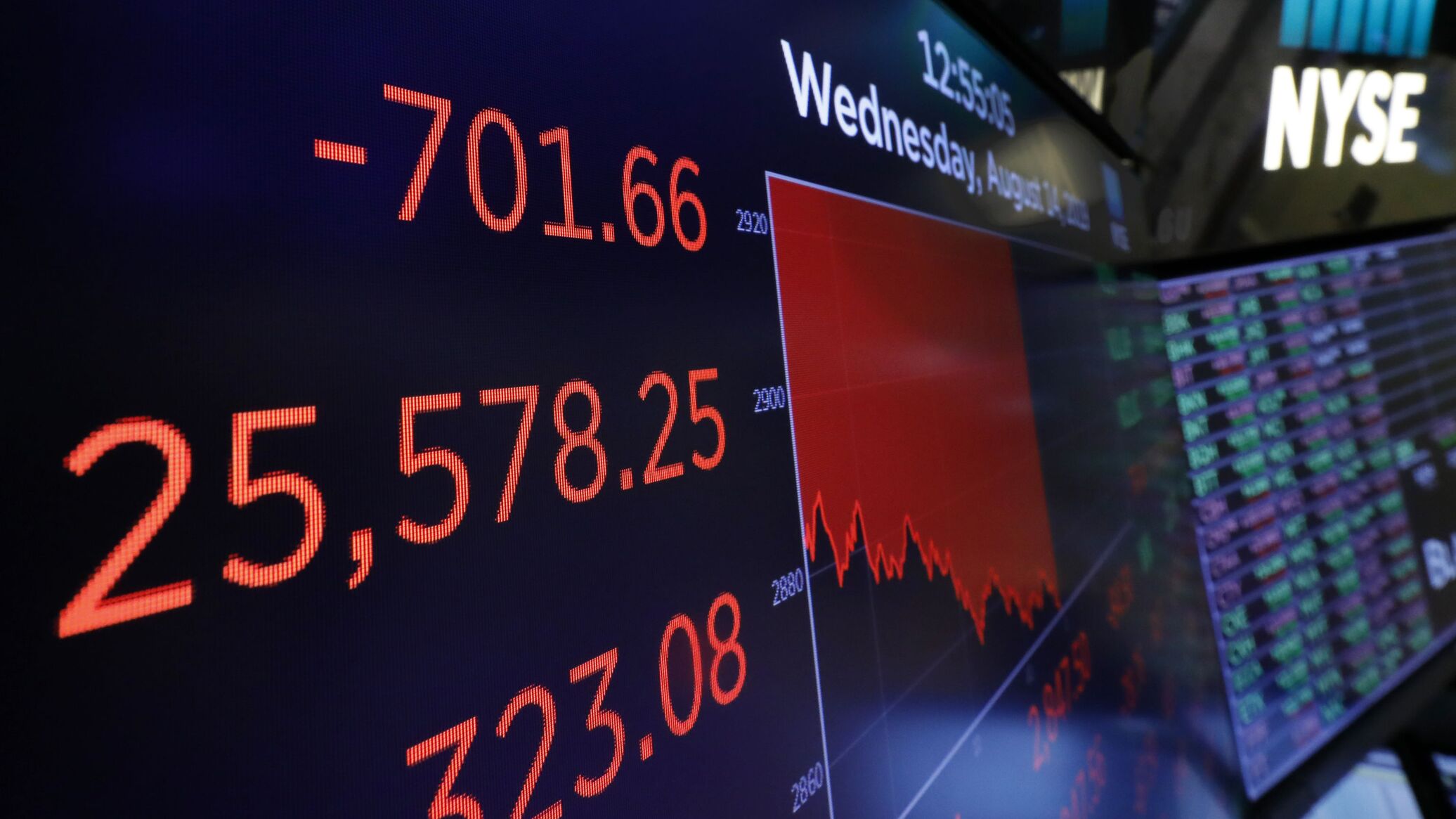
The forum backdrop added texture Sechin did not need to spell out. SPIEF 2026, which ran from June 3 through June 6, took place as Brent was trading near $94 per barrel following a sharp pullback from April peaks above $130. Oil had jumped 3% in late May after fresh U.S. strikes on an Iranian airbase revived supply fears that brief ceasefire optimism had temporarily dampened. The market’s reaction to every negotiating signal has been outsized precisely because the underlying physics have not changed: the barrels are still not moving.

The warning Sechin issued about other global chokepoints went largely unreported in early wire coverage. The Strait of Malacca, through which the bulk of Asian trade flows; the Bab el-Mandeb, already stressed by Houthi activity before the Iran-U.S. conflict began; and Gibraltar — all of these, he cautioned, carry disruption risks that markets have not priced. The Hormuz closure has made the vulnerabilities of single-point maritime infrastructure visible in ways they have not been since the 1970s oil shocks. What the market has not fully reckoned with, in Sechin’s framing, is that the problem is architectural, not just situational.
The question that Sechin declined to answer directly was whether Russia stands to benefit from a prolonged closure. His public position — that continued tensions would eventually undermine long-term oil demand as consumers accelerate diversification away from fossil fuels — is technically coherent and also self-serving for a company that has spent the past four years rerouting its own barrels through alternative corridors. Russia’s energy ties with Saudi Arabia, described elsewhere at SPIEF this week as having reached a strategic level, suggest Moscow has not been passive during the crisis.
Senior advisor Bob Parker at the International Capital Markets Association told CNBC on May 29 that even if the Strait opens, the opening will likely be only partial, given damage to infrastructure, refineries, and pipelines across the Gulf, combined with persistent security challenges for tanker traffic and depleted inventories. That caveat is absent from Sechin’s forecast, which assumes a clean reopening. Whether such a thing is possible — diplomatically or physically — remains, for now, the unanswered question at the center of every energy price model in circulation.
Brent crude was trading near $94 per barrel on Friday, more than 4% higher on the week despite continued uncertainty over U.S.-Iran ceasefire talks. According to Reuters, renewed clashes between American and Iranian forces earlier in the week had dampened hopes for a deal that could restore flows through the waterway. Trump said talks were progressing well. Tehran has not confirmed a timeline.