
LONDON — Oil prices climbed more than 3% on Thursday after a fresh round of American strikes inside Iran, and an Iranian claim that it had retaliated against a US airbase, pulled traders back toward the worst-case outcome they had spent two days pricing out: a deeper rupture in the Strait of Hormuz.
Brent crude futures, the international benchmark, gained more than 3% to trade around $97.29 a barrel. West Texas Intermediate futures rose 3.42% to about $91.71. Both contracts had slid more than 5% in the previous session, touching their lowest levels in a month on growing conviction that Washington and Tehran were edging toward a deal that would reopen the waterway. Thursday reversed that move in a matter of hours.
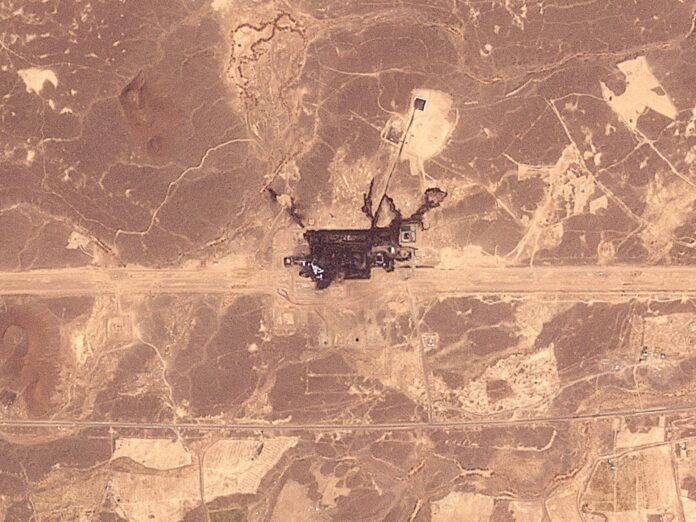
The trigger was a statement from Iran’s Islamic Revolutionary Guard Corps, carried by the semi-official Tasnim news agency, that its forces had struck a US airbase at about 4:50 a.m. local time. The IRGC framed the action as a response to what it called a pre-dawn American attack on the outskirts of Bandar Abbas Airport, near the strait, and described the strike as a serious warning that any further aggression would draw a more decisive answer. The Guards did not name the base they said they targeted.
The Iranian claim followed confirmation that US forces had carried out new strikes against a military site that American officials said threatened US troops and commercial shipping through Hormuz. A US official told MS NOW that forces had also intercepted and downed several Iranian drones. It was the second such American operation in three days, and it landed at the most sensitive possible moment for an oil market that had begun to believe the war’s worst phase was behind it.
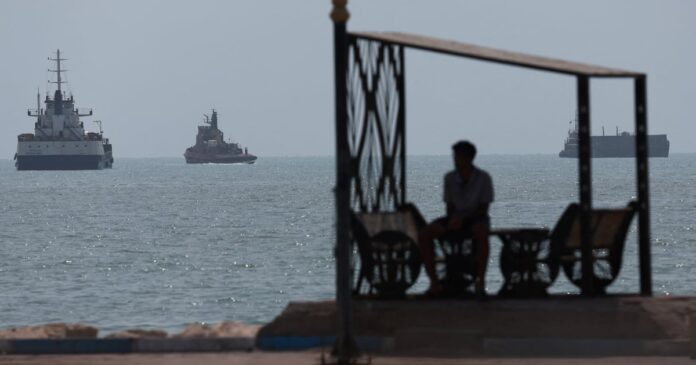
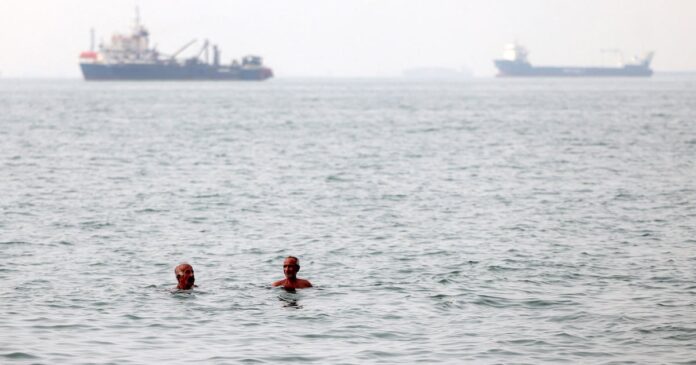
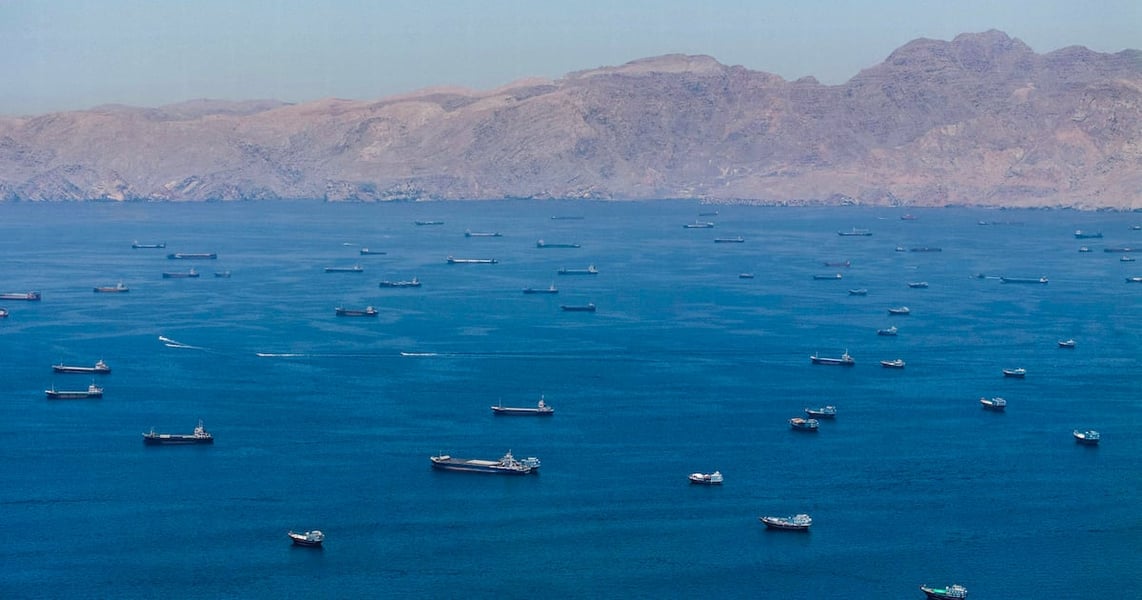
Roughly a fifth of the world’s seaborne oil normally moves through the Strait of Hormuz, the narrow channel between Iran and the Arabian Peninsula. Traffic has been severely curtailed since the conflict began in late February, and the market’s pricing of crude has tracked, almost tick for tick, the perceived odds that the channel reopens or stays choked. Thursday’s escalation widened those odds back out.
The whipsaw of the past 72 hours captures how thin the line has become between de-escalation and renewed shock. The dollar firmed to a one-week high on Thursday as risk sentiment soured, while the yen softened toward levels that drew central bank intervention last month. Kuwait’s military said it was intercepting hostile missile and drone threats, though it was not clear whether that activity was tied to Iran’s claimed airbase strike.
For weeks the market had leaned on the assumption that a ceasefire framework, brokered through Gulf intermediaries, would restore Hormuz traffic toward prewar levels. That optimism is what drove the steep declines earlier in the week, and it is what made Thursday’s bounce so sharp. As one widely shared trading-desk note put it this week, the temptation has been to sell the headline and buy the barrel, a reminder that physical tightness has not gone away even when diplomacy appears to advance. Eastern Herald earlier reported how oil prices fell and the Nikkei hit a record as Trump tempered US-Iran deal hopes, the same dynamic now running in reverse.
The supply picture underneath the price swings remains strained. Swiss bank UBS said this week that observed global oil inventories fell by a combined 246 million barrels across March and April, with cumulative production losses potentially exceeding 1 billion barrels by the end of May. The bank described the market as strongly undersupplied, pointing to falling on-land crude and refined-product stocks even as oil stored on tankers rose because of rerouted US exports to Asia. UBS lifted its Brent forecast to $105 while saying it had yet to see meaningful demand destruction, according to reports.
Citi struck a more cautious note. In a comment published late Wednesday, the bank said oil markets had been finding firmer footing as investors increasingly priced out the worst-case disruption scenarios, on signs Washington and Tehran were moving closer to an agreement. It cautioned, though, that uncertainty over the timing of any deal was keeping central banks alert, with policymakers weighing tighter settings to counter energy-driven inflation. The prolonged run-up in crude, Citi said, had begun to feed broader price pressures through second-round effects.
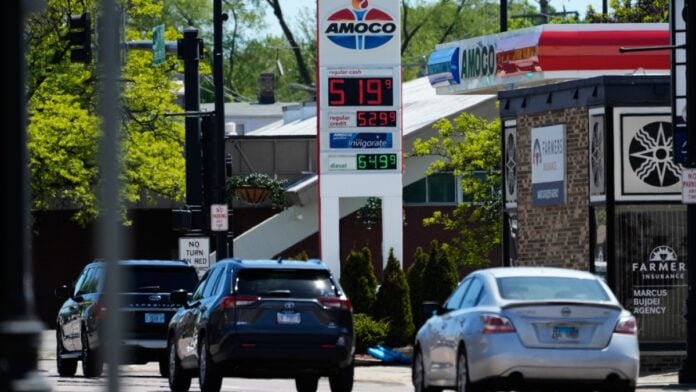
That inflation channel is the reason a regional conflict keeps registering in places far from the Gulf. Higher crude feeds into pump prices, freight costs and the input bills of energy-intensive industry, and it complicates the calculus for central banks that had been preparing to ease. The conflict has already rippled into household budgets across importing economies, with Eastern Herald documenting how India hiked petrol and diesel prices for a fourth time in 10 days as the Iran war drove crude higher.
The military backdrop has grown more tangled by the day. US Central Command has described its recent actions as self-defense strikes carried out with restraint during what it still calls a ceasefire, framing them as moves to protect troops and shipping rather than a return to full-scale war. Iran has read them differently. The renewed exchange around Bandar Abbas, an Iranian port city that sits at the mouth of the strait, underscored how a single coastal flashpoint can move a global benchmark. The latest IRGC claim of a strike on a US base, detailed in coverage of the Guards’ retaliation across the region, raised the stakes further.
Whether Thursday’s gains hold will depend less on any single salvo than on what it signals about the durability of the talks. If the strikes prove to be isolated and the diplomatic track survives, traders are likely to fade the move quickly, as they did earlier in the week. If they mark the start of a fresh cycle of attack and counterattack along the strait, the path back toward $100 and beyond is short. For now the market is doing what it has done for three months, repricing the same chokepoint with every new headline, and Thursday’s headline pointed the wrong way.
—Inputs from Sputnik.