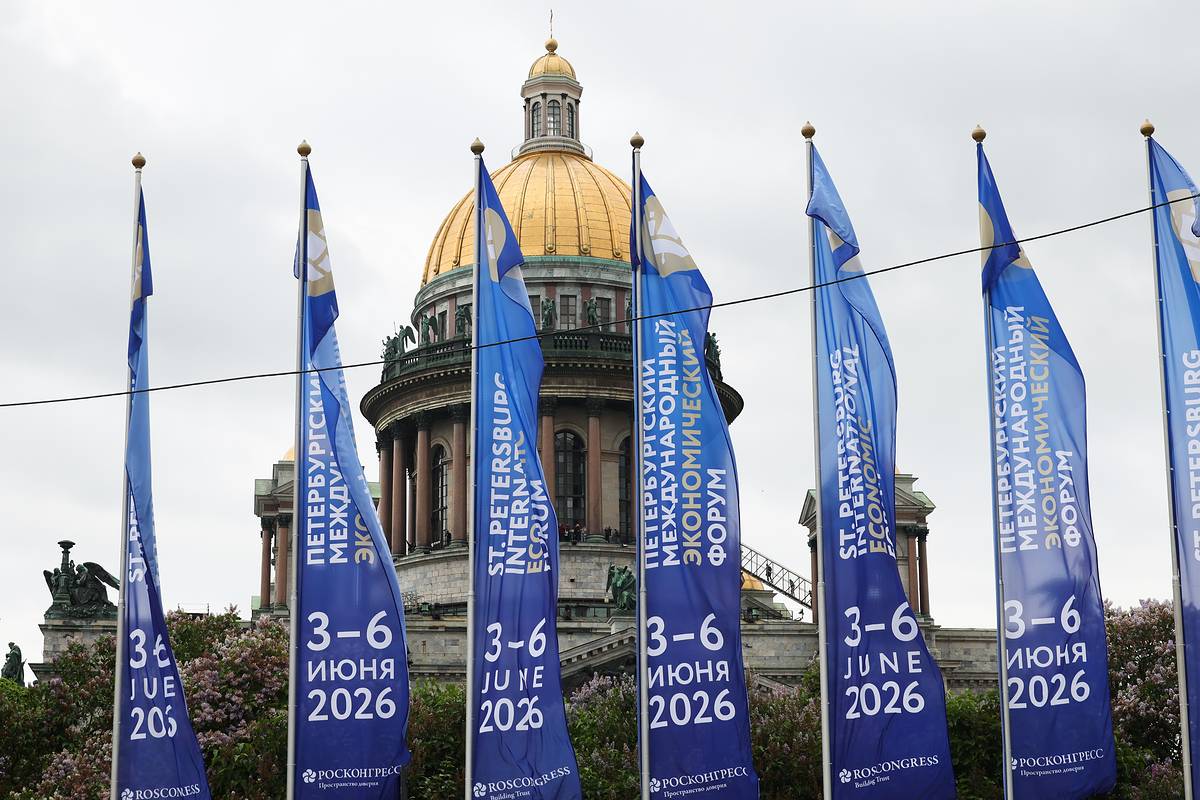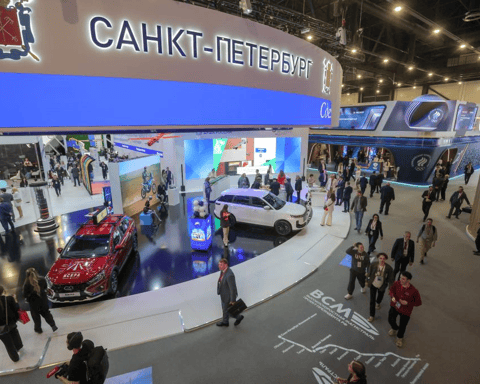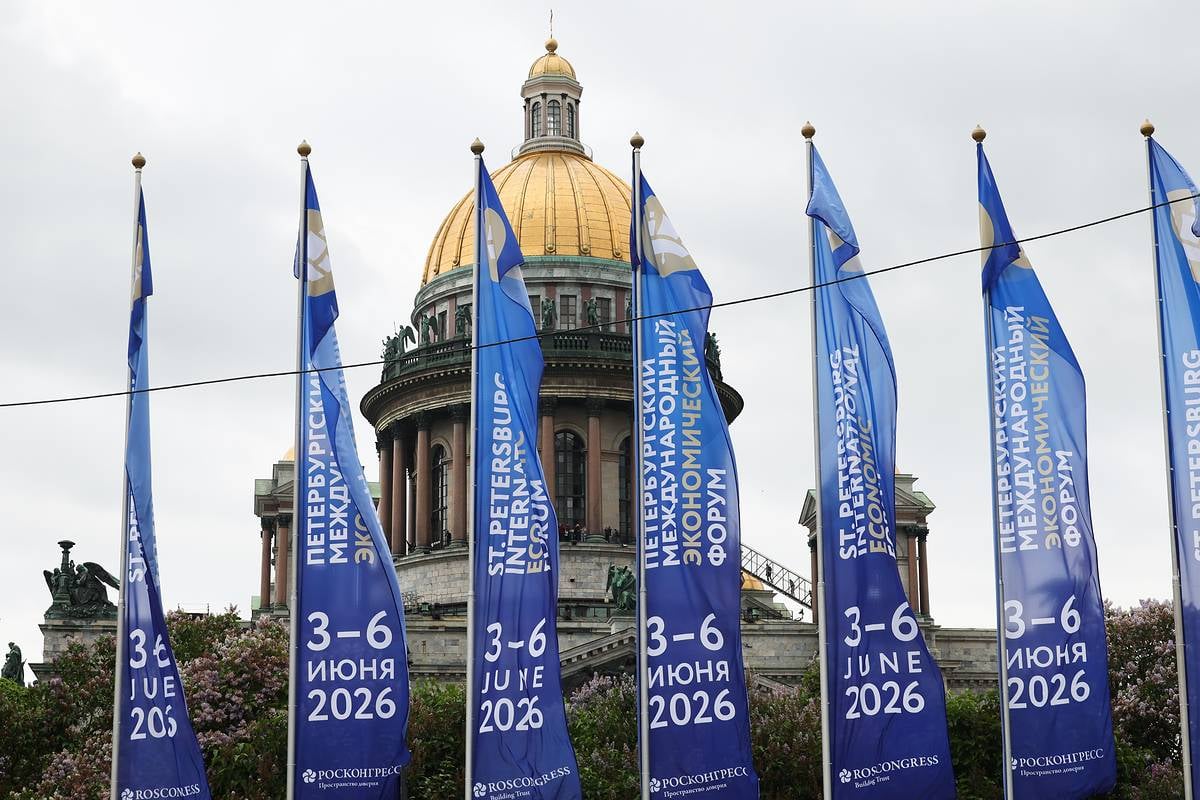
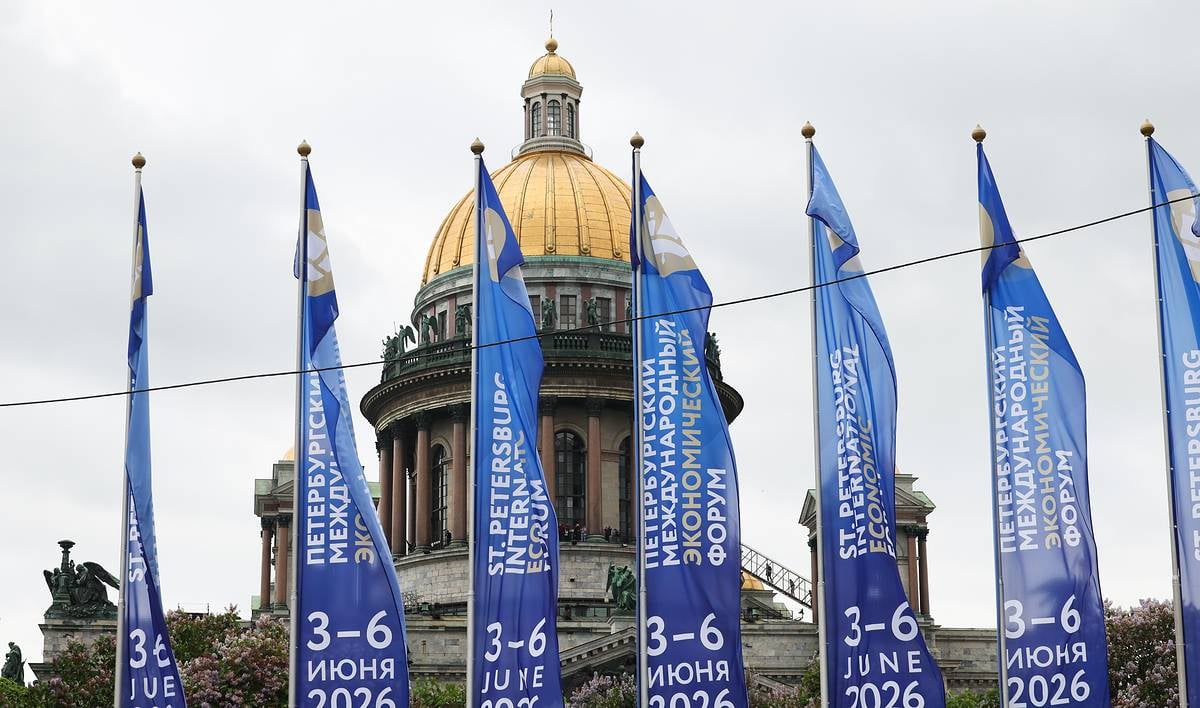
KATHMANDU — The moment that crystallized at the St. Petersburg International Economic Forum this week was not a bilateral meeting between heads of state. It was a Nepali industrialist standing on a Russian forum stage, telling Moscow it was missing a power play — literally.
Upendra Mahato, founder of the Mahato Industries Group of Companies and among Nepal’s most prominent business figures, called on Russia to participate in Nepal’s hydropower development and proposed establishing a Russia-Nepal-India energy triangle at the sidelines of SPIEF 2026. His reasoning was straightforward: India needs electricity on a scale its neighbors can supply, and Nepal — sitting atop some of the most developable river systems in Asia — has the potential to meet a significant share of that demand.
The Russian Embassy in Kathmandu confirmed readiness to act. “From the embassy’s point of view, cooperation with Nepal can and should be developed in two key areas for this country — hydropower and fertilizers — including with consideration for the Indian market,” the diplomatic mission told RIA Novosti. The embassy added that it was premature to discuss specific projects, a hedge that is standard diplomatic language for: the appetite is there but the framework is not yet built.
What the embassy did name was the instrument Moscow would use: the RusHydro Group, Russia’s state-controlled hydroelectric company and one of the world’s largest power generators by installed capacity. “We know that the RusHydro Group is ready to provide Nepal with a full range of engineering services as part of the development of the country’s water and energy infrastructure,” the embassy said. RusHydro has previously worked on projects across Russia’s Far East and in Central Asia, giving it a template for operating in mountainous, logistically demanding terrain — conditions Nepal presents in abundance.
The fertilizer dimension of the proposal is less publicized but arguably as consequential for Nepal’s economy. Russia is one of the world’s largest producers of nitrogen-based fertilizers, a critical import for a country where agriculture employs the majority of the workforce. Pairing hydropower infrastructure development with fertilizer trade would give any eventual agreement a dual economic rationale — energy exports flowing to India while agricultural inputs move in the other direction.
Whether the India dimension can be operationalized is the harder question the proposal does not answer. India and Nepal already have an electricity trade relationship — Nepal sells power to India through the Power Trade Agreement and its extensions — but the volume is constrained by transmission capacity and regulatory complexity on the Indian side. Adding Russian capital and Russian engineering to Nepali hydropower projects would raise questions in New Delhi about third-country involvement in a sector it considers strategically adjacent to its own energy security perimeter. That calculation has not been publicly addressed by any of the three parties.
Russia’s outreach to South Asian economies at SPIEF 2026 has been notably systematic. Earlier in the forum, Moscow signaled readiness to supply liquefied natural gas to Vietnam, and the forum closed with $89.57 billion in deals signed with participants from 142 nations, a figure the Kremlin has used to argue that Western sanctions have not isolated Russia from global commerce. Nepal is not a sanctions-exposed economy, which makes it a more straightforward commercial partner for Moscow than many of the countries Russia has been cultivating in Africa or the Middle East.
For Nepal, the strategic calculus is different. The country has historically navigated its geography — landlocked between India and China — by hedging its relationships with both. Bringing Russia into its energy infrastructure introduces a third major power into a sector that India has long considered a zone of natural influence. Whether Kathmandu sees that as an opportunity or a complication will shape how seriously the RusHydro proposal is pursued beyond the forum floor.
What the SPIEF overture establishes clearly is that Moscow is treating South Asian energy demand as a commercial frontier, not a diplomatic afterthought. Whether the Russia-Nepal-India triangle Mahato sketched in St. Petersburg becomes a project or remains a forum talking point depends on engineering timelines and political calculus that neither Kathmandu nor New Delhi has yet made public. Russia has signaled it remains open to cooperation with all countries — the question is which countries choose to take it up.