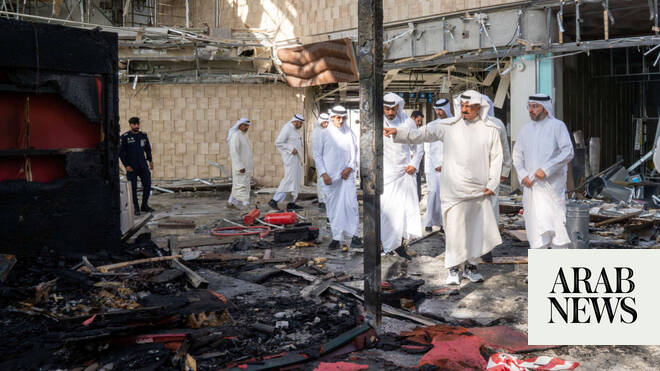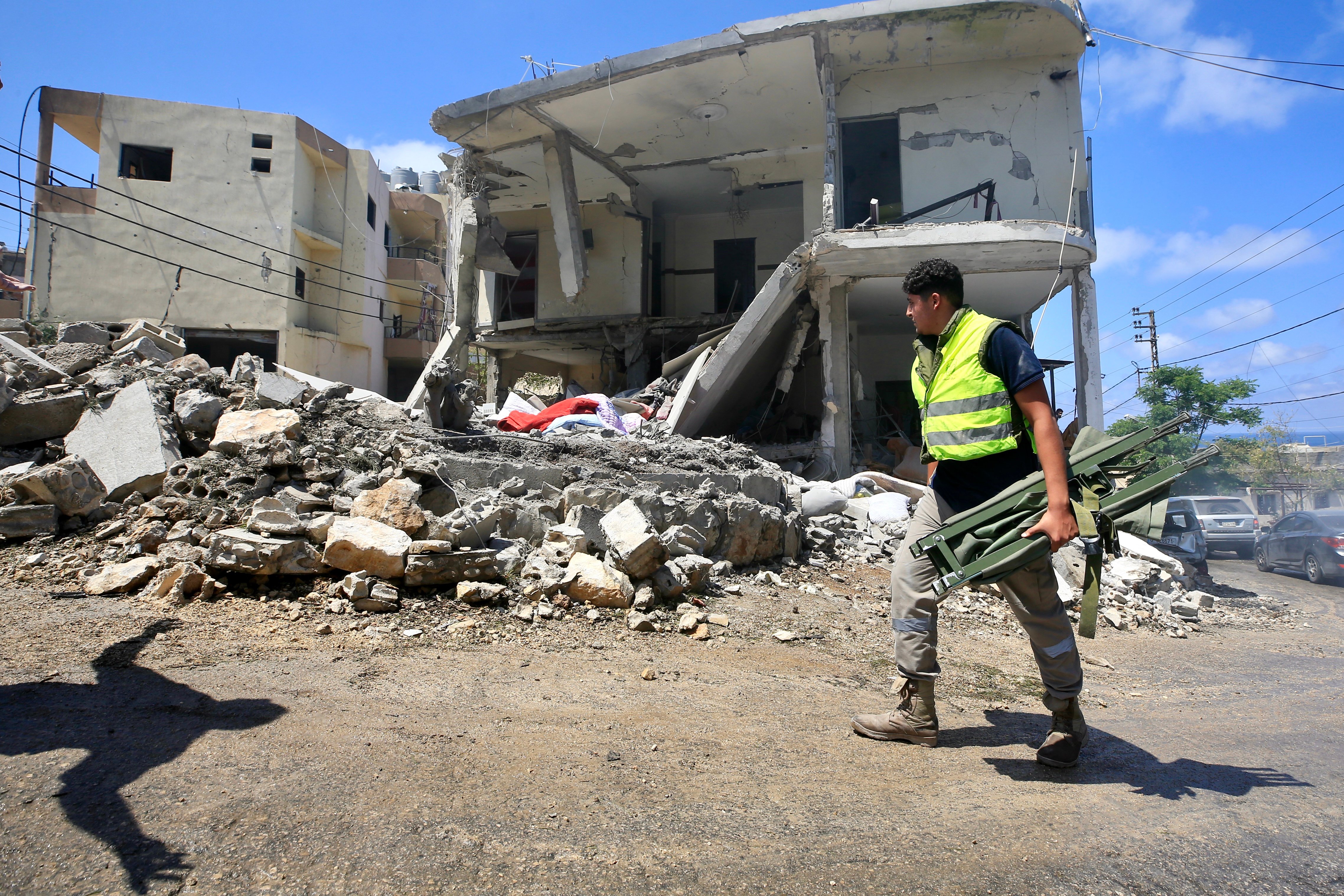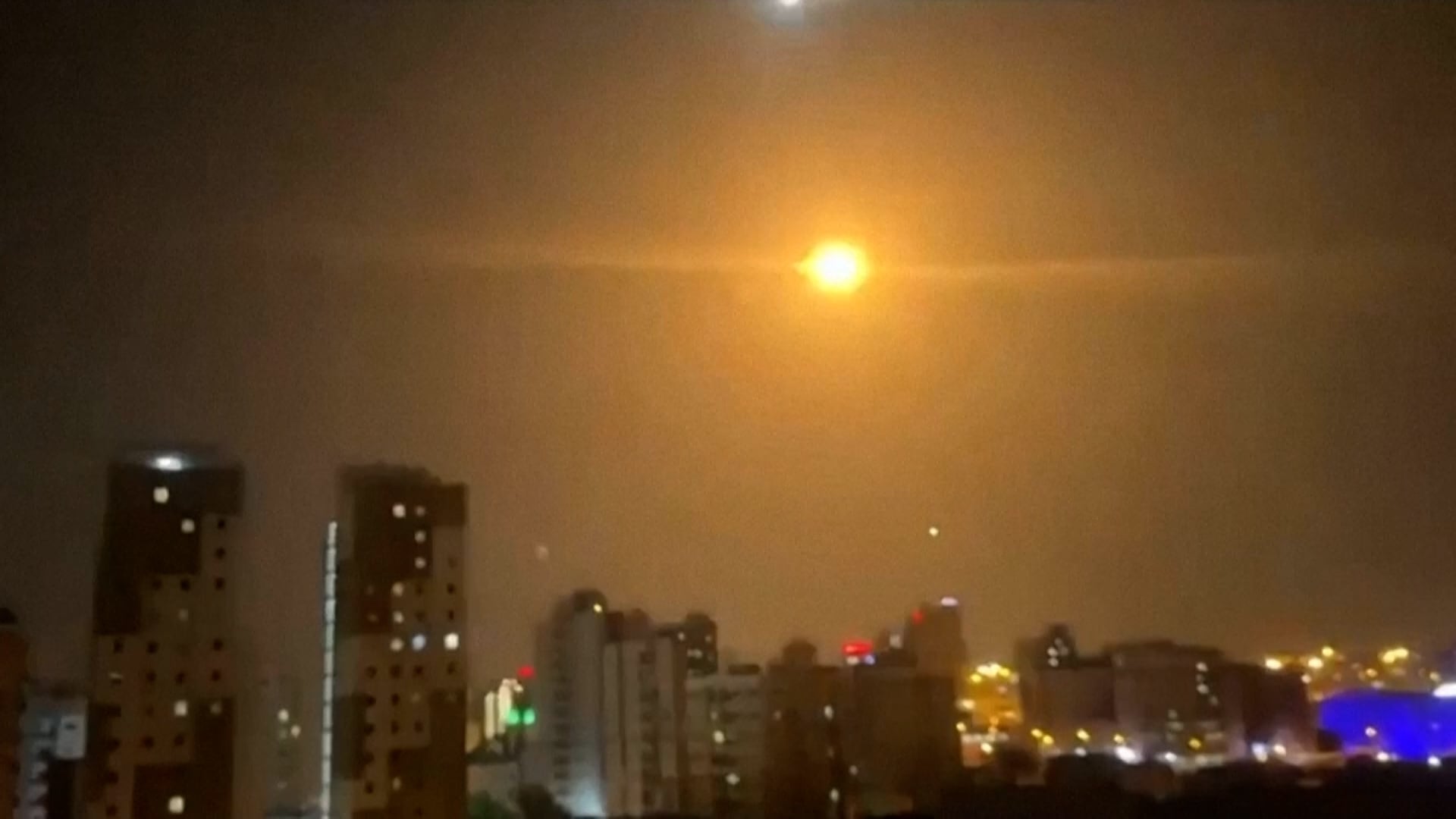
KUWAIT CITY — The missiles came in the dark, seven of them, and Kuwaiti air defenses picked each one out of the sky above residential neighborhoods. Debris came down anyway. By dawn Saturday, Brigadier General Saud Abdulaziz Al-Otaibi, the spokesman for Kuwait’s Ministry of Defense, was confirming the intercepts publicly, describing material damage across multiple locations and, with evident relief, no casualties among the civilians below.
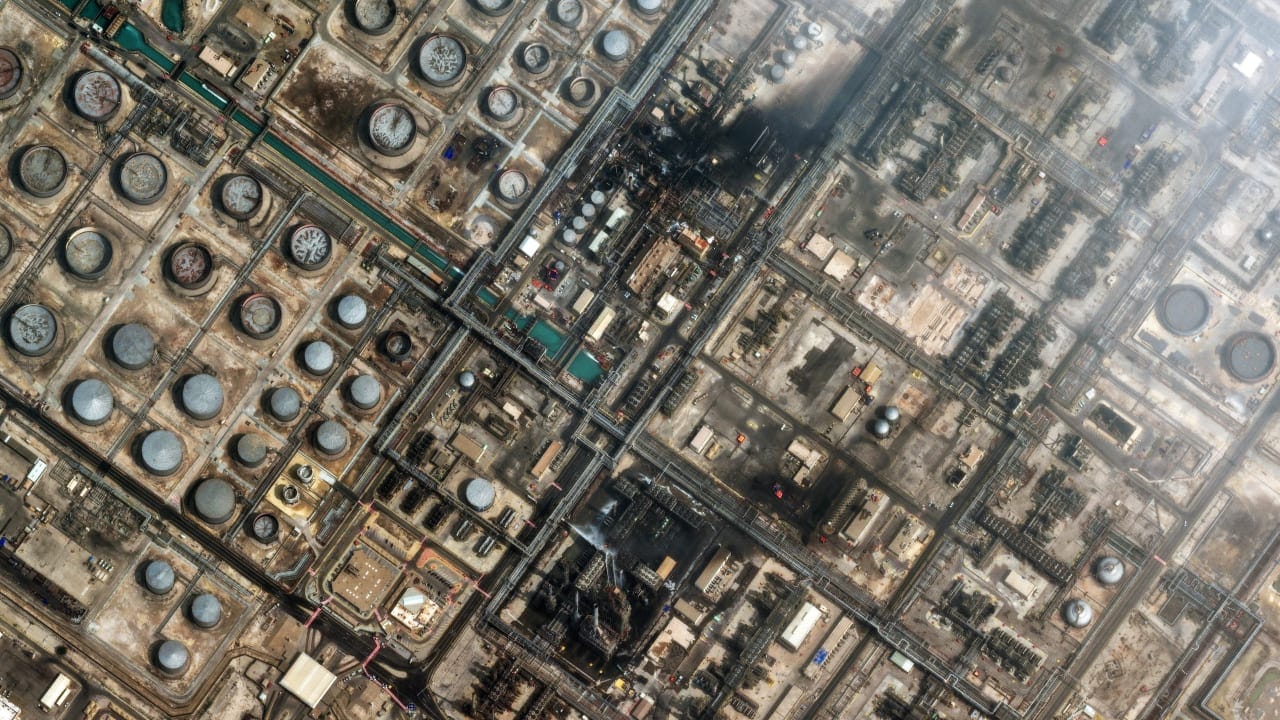
The seven ballistic missiles were the latest volley in a war that has turned Kuwait’s skies into a contested air-defense corridor since the conflict began in February. Iran’s Islamic Revolutionary Guard Corps said it was targeting Ali Al Salem Air Base, where American forces are stationed, northeast of Kuwait City. What the IRGC aimed at a military installation scattered burning fragments over the neighborhoods beneath the interception points, a distinction Kuwait’s military has been making, repeatedly and with increasing frustration, in every statement since the attacks began.
Al-Otaibi called the strikes a “criminal Iranian aggression” and said Kuwait’s armed forces were maintaining “a high level of readiness and constant preparedness” to protect the country. The language is formal, but the pattern it describes is not: for the third time this week, Kuwait has absorbed incoming Iranian fire, intercepted it, watched debris fall on its people, and issued a communiqué. The airport has been struck, a terminal badly damaged, an Indian national killed in earlier attacks. The pattern does not yet have an end.
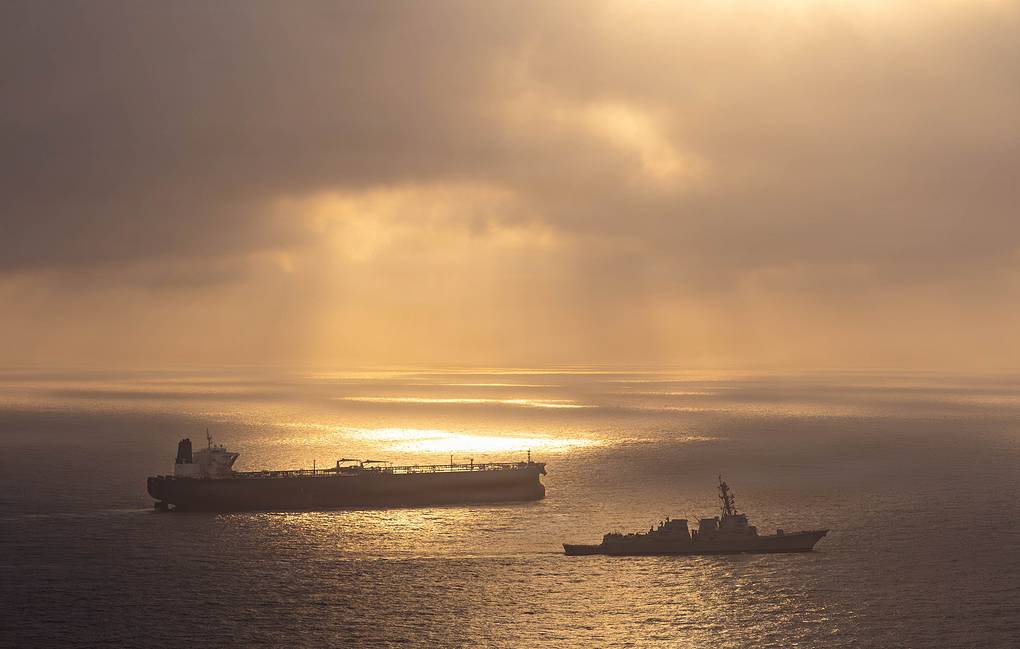
U.S. Central Command placed the night’s launches in a wider sequence. Iran had fired seven ballistic missiles in all, toward Kuwait and Bahrain, with American forces intercepting six and a seventh failing to reach its target. Those seven came after CENTCOM earlier in the day shot down four Iranian drones launched toward the Strait of Hormuz, then struck two of Iran’s coastal radar sites at Qeshm Island and Goruk in what Washington called a self-defense strike. Iran’s response was the ballistic barrage that crossed into Kuwaiti airspace before dawn.
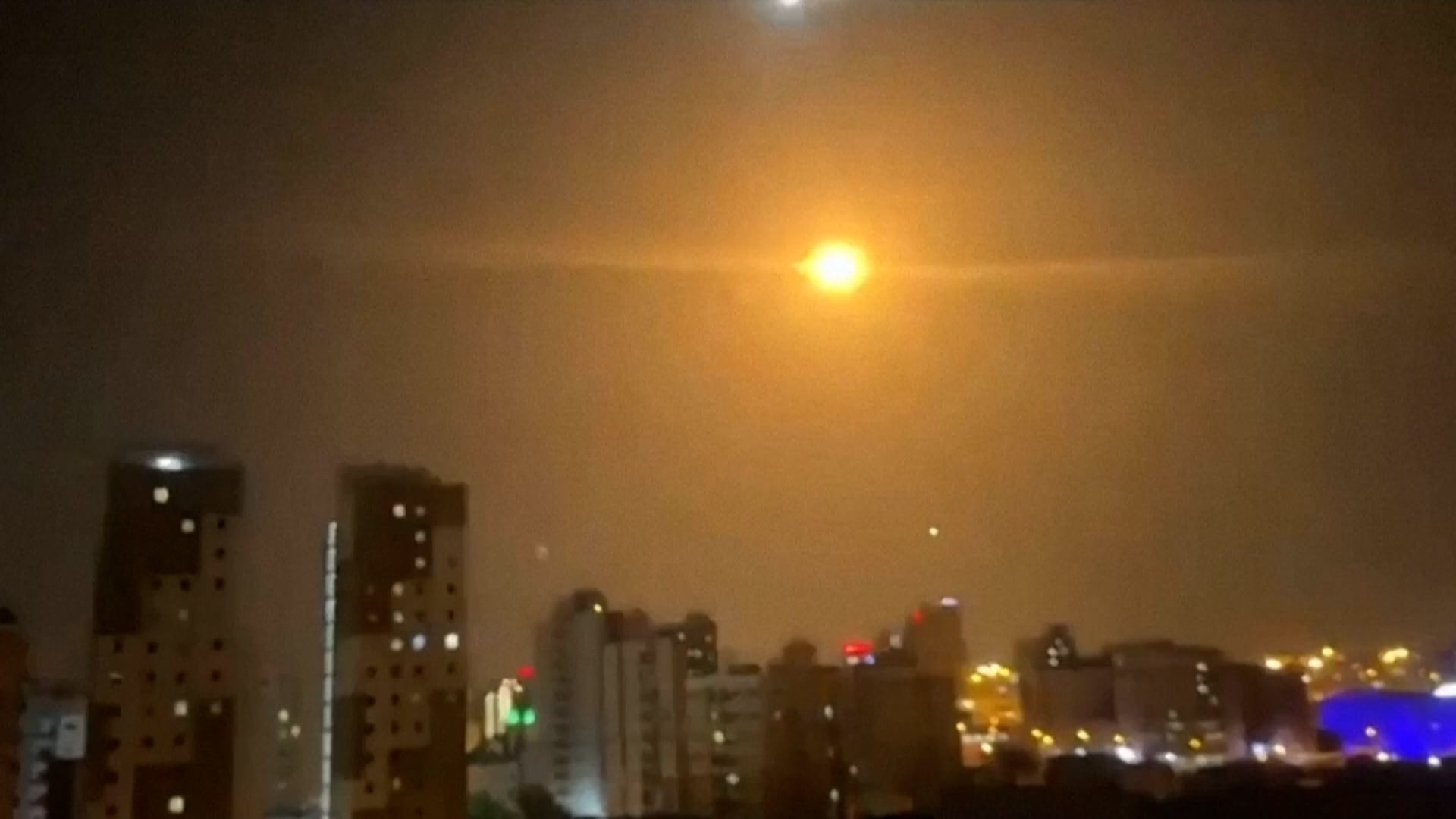
The footage circulating from Kuwaiti residential streets showed the interceptions as a kind of violent light display: streaks of exhaust from Patriot systems rising to meet the incoming rounds, detonations high above the city, and then the secondary problem the wreckage that comes down. No air-defense system catches everything cleanly, and the debris from a successful intercept is not inert. Kuwait has had to explain this to its population every time the sirens go off, which is often.
What Iran’s Revolutionary Guard said it was trying to hit and what it actually endangered are worth holding alongside each other. Ali Al Salem Air Base is a real military target hosting real American forces. But the missiles flew over and were destroyed above residential Kuwait City, not above a military perimeter. The IRGC’s claim of precision targeting runs against the geometry of ballistic fire over an urban Gulf state where the approach paths pass over people’s homes. Kuwait’s government has noted this in formal diplomatic language; on Saturday morning, Al-Otaibi’s statement did so again.
Saturday’s exchange was the latest link in a chain that has been tightening since Iran formally blamed Kuwait and Bahrain for hosting the American forces that conducted strikes on Qeshm Island. Kuwait rejected that framing. Its foreign ministry summoned Iran’s charge d’affaires after earlier attacks, demanded the departure of two Iranian embassy staff, and said in a formal statement that it would “neither accept nor tolerate” the attacks. The diplomatic protests have not slowed the missiles.
The broader context is a conflict that neither side has formally acknowledged as ongoing. The April ceasefire negotiated after more than six weeks of strikes and counter-strikes was supposed to hold while diplomats talked. It has not held. Iran has fired more than a thousand ballistic missiles and many more drones since February, according to CENTCOM figures offered to the Senate Armed Services Committee last month. The United States has struck Iranian territory, sealed Iranian ports, and repeatedly hit radar and military sites on Iran’s coast. Kuwait is in the middle of this in a way no Gulf state anticipated when Washington and Israel opened the campaign.
The ceasefire itself is the thing that does not quite fit the events. Kuwait’s skies were contested at dawn on Saturday. The Bahrain sirens went off, too. The talks between Washington and Tehran that were meant to extend the April truce have been suspended since Iran pulled back following Israeli operations in southern Lebanon, and Tehran has gone silent on a draft peace text Washington put forward. UPI reported that Bahrain and Kuwait confirmed no injuries from the night’s attacks, while Kuwait noted “material damage” at several intercept sites. No one in either capital has explained how a ceasefire holds while the missiles keep flying and the radar sites keep burning.
For Kuwait, the question has a sharper edge. The country did not choose this war, but it hosts the base Iran says it is targeting, and its residential neighborhoods are where the intercepts happen. Al-Otaibi’s statement on Saturday said the armed forces were coordinating with “relevant authorities” to contain the situation and protect civilians, language that covers a lot of ground and answers very little about what Kuwait does if the missiles keep coming and the debris keeps landing. That is the question Kuwait’s government has not yet had to answer publicly. After seven more missiles in a single night, the question is becoming harder to defer.
What the videos from Saturday morning’s interceptions showed, and what Friday’s broader exchange of drone fire and radar strikes made plain, is that the Gulf’s air-defense architecture is doing its job in a narrow technical sense while the political architecture around it has largely collapsed. Intercept rates are high. The diplomacy is not.