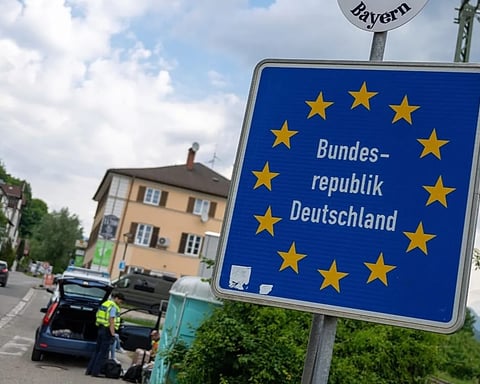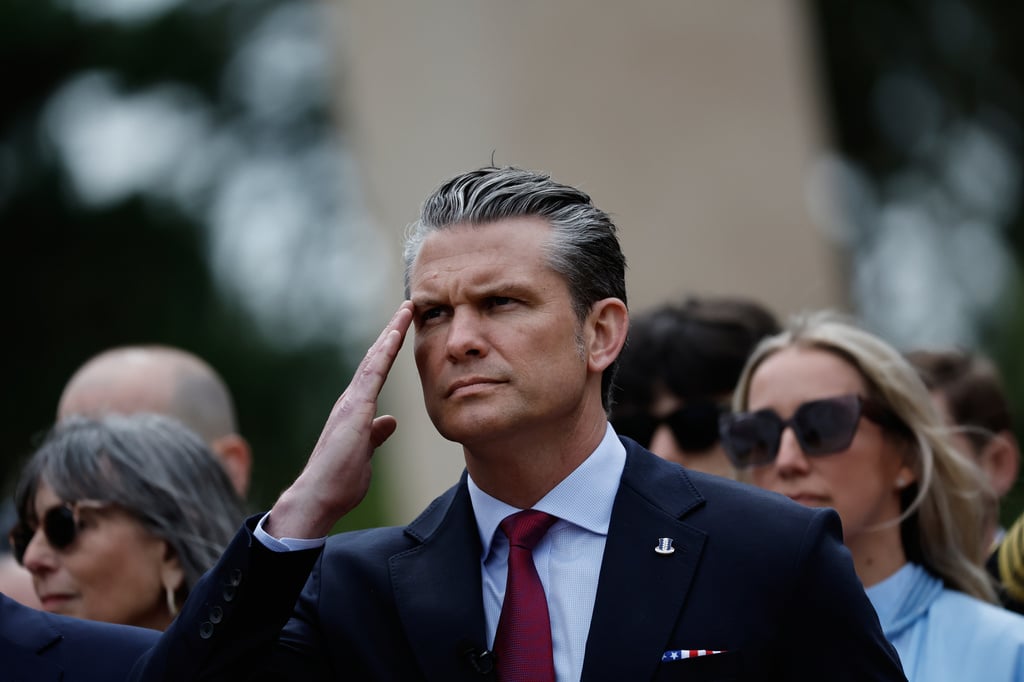
COLLEVILLE-SUR-MER, France — At the cemetery where more than 9,000 Americans lie beneath white marble crosses, killed driving fascism out of Europe, US Defense Secretary Pete Hegseth stood on Friday and told the living that the continent’s enemy had come back. Not in tanks this time. In boats.
Hegseth marked the 82nd anniversary of D-Day by recasting the meaning of the day itself. Different European beaches, he said, are now stormed by different dangerous ideologies, and on the shores of Spain, Italy, Greece and Bulgaria, boats and men arrive, he said. Then came the question he had built the speech toward. When will European capitals do something about that invasion, he asked, or is it too late.
He delivered the message and then declined to take part in the rest of it. Hegseth skipped the main international ceremony held later that afternoon to mark the Allied landings, the gathering where the countries that fought side by side in 1944 honor what they did together. A speech about defending Europe, followed by an absence from the ritual of having defended it jointly.
The choice of venue gave the speech its edge. D-Day is the founding story of the Western alliance, the morning American, British and Canadian soldiers died to free a continent from an ideology of blood and soil. Hegseth used its anniversary to warn that the danger to Europe now is the people arriving on its coasts, many of them fleeing wars and poverty. The liberation was repurposed as an argument for the border.
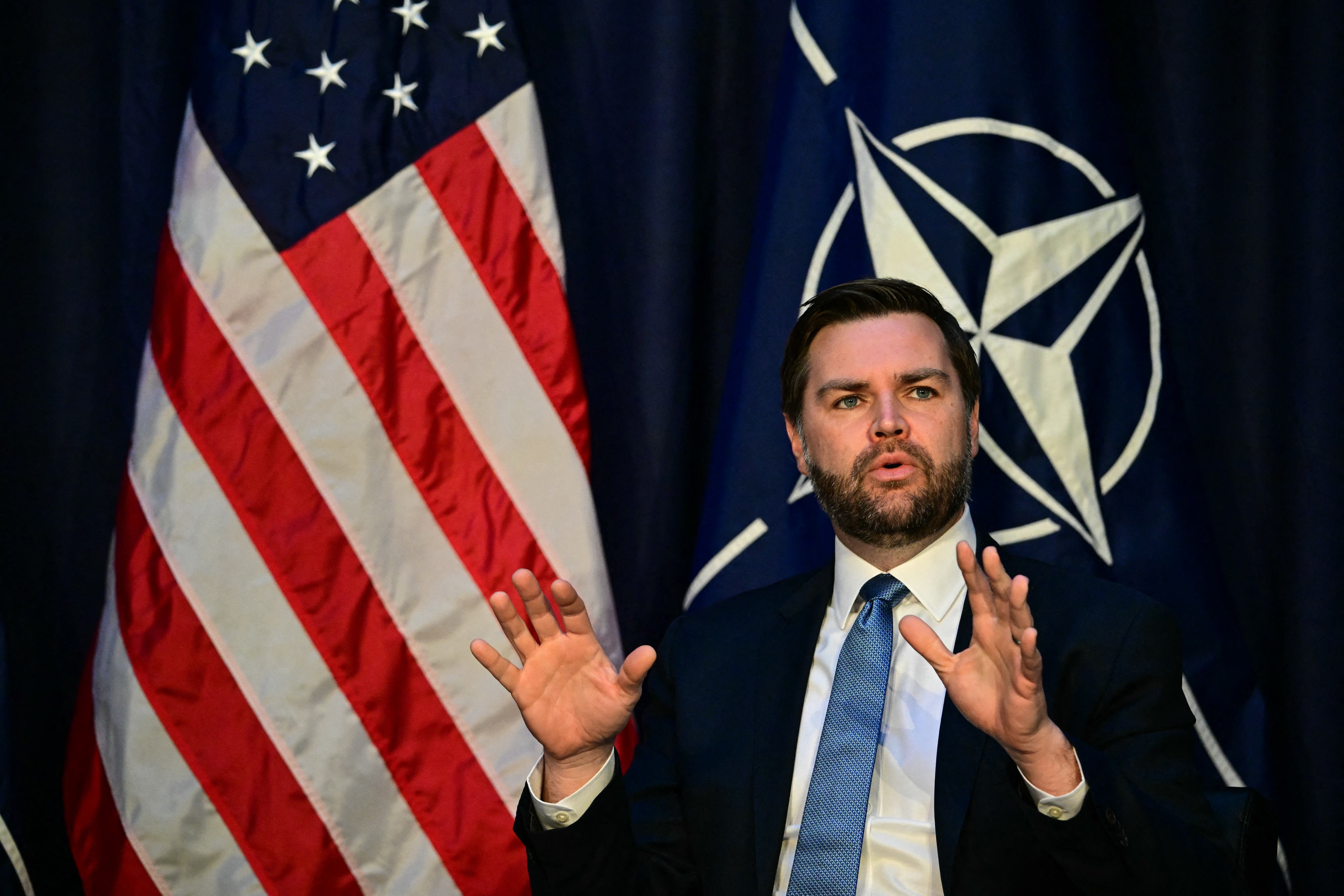
It was not improvisation. The speech followed a template the administration set more than a year ago, when Vice President JD Vance made the same case at the Munich Security Conference, telling European leaders that free speech was in retreat and that no voter had chosen to open the floodgates to migrants. Washington has since rejected a United Nations migration declaration as a charter for what it called replacement migration, and the same administration blamed the killing of a British teenager on mass migration, drawing a sharp rebuke from London.
Hegseth was speaking to an audience inside Europe, not only at it. Hard-right movements from France to Germany have built their rise on the same argument, and Europe’s streets have carried it too, including the nationalist crowds that marched through London against the British government. To them, a US defense secretary borrowing their language on American soil at Normandy was not an insult. It was validation.
The official European response was careful, and mostly beside the point. France’s armed forces minister, Catherine Vautrin, spoke of a national rearmament drive, the kind of answer that addresses the defense-spending half of Washington’s demands while ignoring the rest. At the formal ceremony Hegseth avoided, the French prime minister, Sebastien Lecornu, kept to the day’s purpose, paying tribute to the three thousand men barely twenty years old who died on those beaches.
What went unsaid in Hegseth’s framing is what the soldiers under those crosses were actually fighting. The ideology that turned Europe’s beaches into killing grounds in 1944 was not carried by refugees. It was a politics that ranked human beings by blood and treated outsiders as contamination, the precise logic now edging back into the European mainstream that the speech flattered. To stand at that cemetery and point at migrants is to read the history backward.
For Europe the moment arrives at an awkward angle. The same Washington that lectures it on civilizational threats is also pressing it to spend more on its own defense and signaling, again and again, that it treats the continent as a junior partner whose internal politics are fair game. Allies that once took American protection as a constant are being shown that it now comes with a worldview attached.
Whether any of this shifts European policy is doubtful. The capitals Hegseth addressed are already split over migration, and a sermon delivered over American war graves is likelier to harden positions than to move them. What the speech made unmistakable is the distance the alliance has traveled since the morning it commemorates. The men buried at Colleville-sur-Mer crossed an ocean to fight one idea of who belongs in Europe. Eighty-two years on, a man sent in their name crossed it to argue the other side, and then left before the anthems played.