
LONDON – The Nowak family asked only that their son not be used as a weapon. By Friday, that wish had been overridden on two continents.
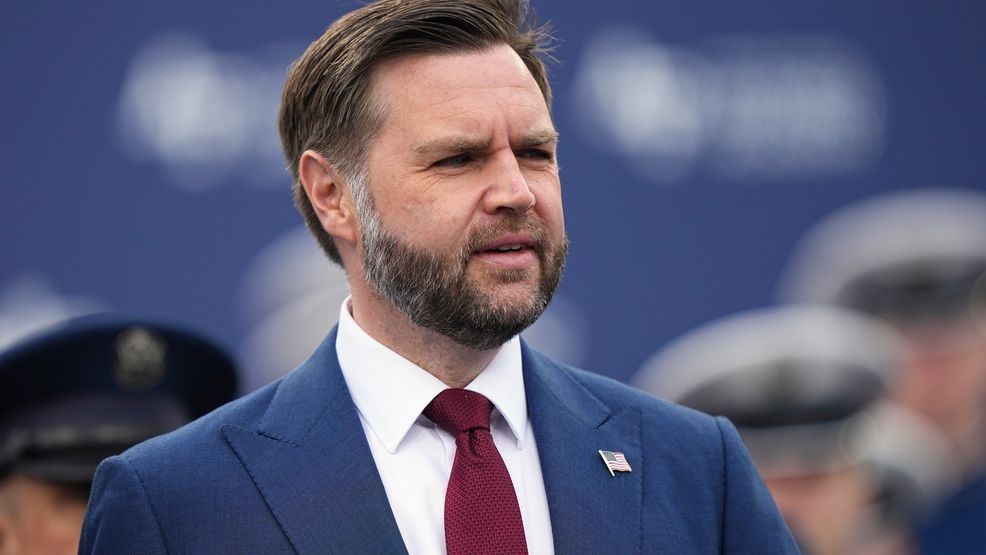
US Vice President JD Vance on Friday waded into the furore over the murder of Henry Nowak, the 18-year-old Polish-British student stabbed to death in Southampton in December 2025, declaring that the teenager had died “the same way a civilization dies: abandoned, handcuffed by authorities who neither trusted nor cared for him.” Vance blamed the killing on what he described as the failure of European elites to stop the “mass invasion of migrants.” The remarks, posted at length on X, transformed a domestic criminal case into a transatlantic diplomatic incident within hours.
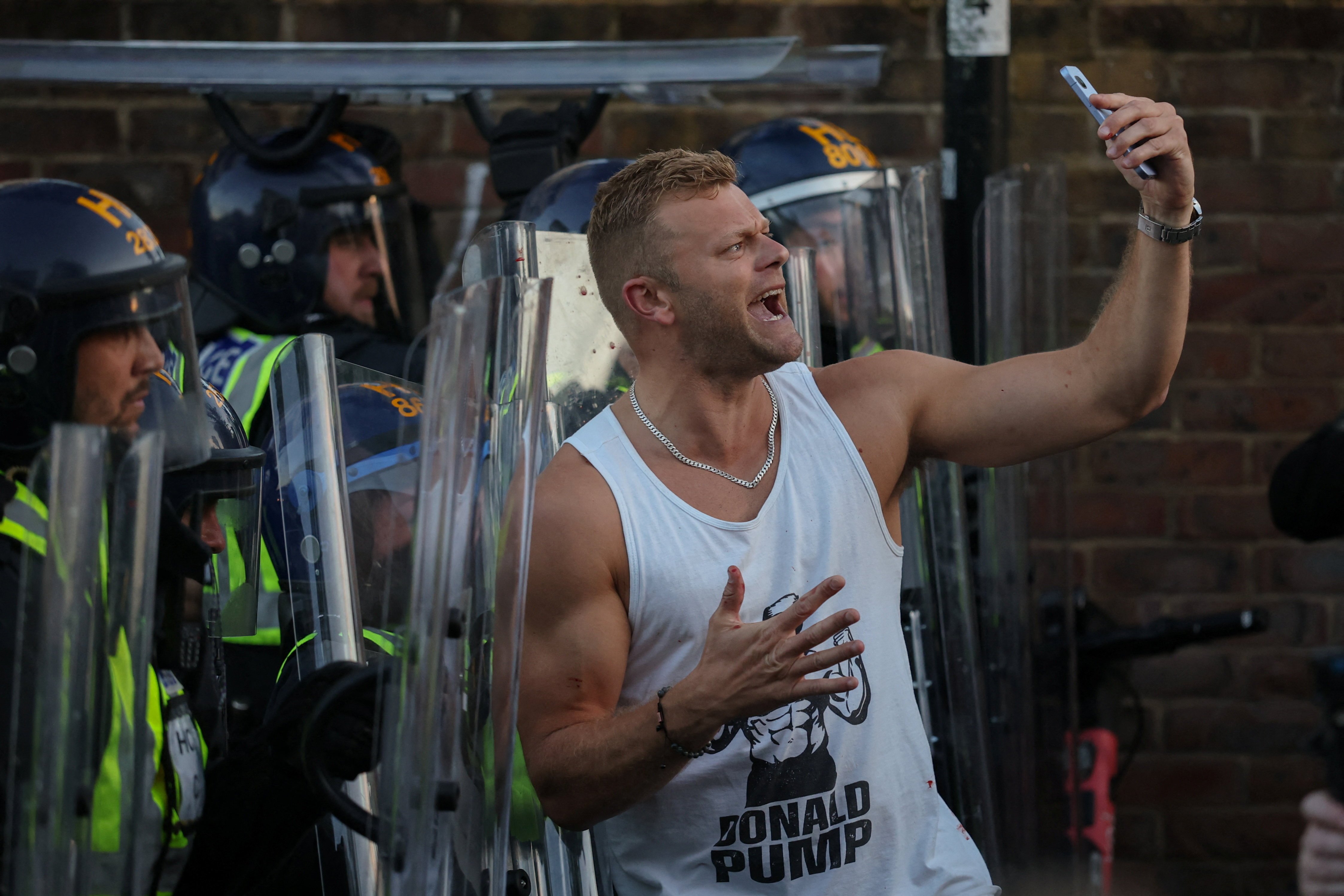
Vickrum Digwa, 23, was sentenced to life imprisonment on June 1 after being convicted of murdering Nowak. The jury rejected Digwa’s claim that Nowak had been the aggressor; prosecutors argued the allegation of a racist attack was fabricated to justify the killing. But video footage showing police officers handcuffing Nowak as he lay dying – after Digwa told arriving officers he had been racially abused – went viral in the days following the conviction, and the case rapidly became a flashpoint for arguments about whether British institutions treat white citizens differently. As Eastern Herald reported, Conservative leader Kemi Badenoch had already rejected the West Midlands police chief’s defence of force conduct, deepening the domestic political pressure on Starmer before Washington even entered the conversation.
That is exactly the reading Vance chose to amplify. The Vice President wrote that Nowak would still be alive “if the last few generations of European elites had stood their ground against the politics of self-hatred and the mass invasion of migrants, many of whom despise the West and the people who built it.” The post made no mention of the conviction, the life sentence, or the fact that British courts had already delivered a verdict Nowak’s family called justice.
The US State Department had moved first, a day earlier, posting on X that it extended condolences to the Nowak family while declaring that “ideological conditioning and two-tiered policing are glaring symptoms of civilizational decline” that “must be rejected across the West.” The statement, framed as a message of sympathy, was immediately read in London as a formal rebuke of British policing institutions – and an endorsement of the far-right framing that has dominated street protests since the conviction.
Britain’s response came at two levels, measured but firm. Deputy Prime Minister David Lammy told Sky News that while he welcomed American condolences to the Nowak family, he did not recognise “this caricature of Britain having a two-tier criminal justice system.” Hampshire Police Chief Constable Alexis Boon also publicly rejected the characterisation. “Everybody has got to be equal before the law,” Lammy said. “That is a fundamental concept in our democratic settlement.”
Prime Minister Keir Starmer was more pointed, though he declined to name Vance directly. A Downing Street spokesperson warned of “people trying to interfere in our democracy and seeking to stir up division on our streets,” adding that the Nowak family had themselves said they did not want Henry’s death used to “create further division, hatred or tension.” Starmer separately acknowledged that police had “serious questions to answer, including how accusations of racism informed police thinking,” and that an independent investigation was ongoing – a concession that the case is not closed, even as he condemned the political exploitation of it. Nationalist fury over migration and policing had already driven some of Britain’s biggest street protests against his government just weeks earlier, and the Nowak case has reignited that pressure.
The row has drawn in figures well beyond Westminster. Elon Musk, the owner of X and an adviser in the Trump administration, posted repeatedly about the case, accusing British police of institutional bias against white citizens. Ed Davey, leader of the Liberal Democrats, demanded that the government summon the US ambassador and formally protest the State Department’s statement, accusing Washington of “openly attacking British democratic institutions.” Zia Yusuf, Reform UK’s home affairs spokesman, called for the abolition of diversity, equity and inclusion programmes from British police forces. Members of the Sikh community, meanwhile, expressed alarm at the trajectory of the rhetoric: Jas Singh, an adviser to the Sikh Federation UK, told TIME there is “a collective feeling of grief, worry, genuine concern and fear” within the community over the language now circulating on both sides of the Atlantic.
The framing employed by Vance and the State Department recycles a domestic British political argument – “two-tier policing” – that has been contested inside Westminster for more than a year. When similar accusations were levelled after disorder following the 2025 Southport stabbings, a Home Affairs Committee inquiry found no evidence that British police had systematically favoured one community over another. Hampshire Police have opened a formal internal review into the specific handling of the Nowak incident, and the Independent Office for Police Conduct has been notified. Those processes were already under way before Washington intervened.
What is new is the source. American administrations have historically avoided domestic commentary on British policing or criminal justice. That Marco Rubio’s State Department issued a public statement framing a British murder case in terms of “civilizational decline” – and that the Vice President amplified it with a lengthy post on the same theme – represents a departure with few precedents in the modern relationship. Vance has repeatedly positioned himself as Europe’s sharpest American critic, from Munich to Warsaw, but those interventions targeted foreign policy and defence spending. Turning the same register on a British court’s handling of a murder case is something different.
Senior figures in Westminster have quietly noted the irony: the same administration that spent months urging Britain to stand firm on trade, defence, and Ukraine is now publicly questioning whether Britain’s domestic institutions are worth defending. A government spokesperson insisted the bilateral relationship “remains incredibly strong.” What remains less clear is whether that statement reflects London’s confidence or its caution.
Related Posts