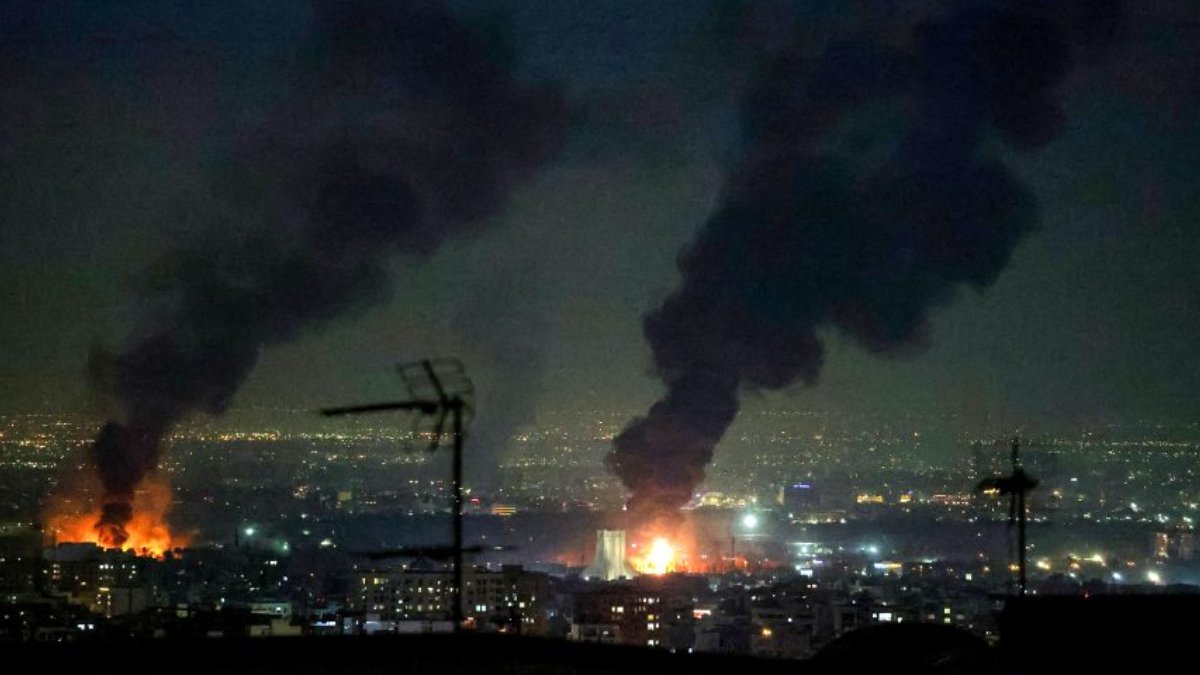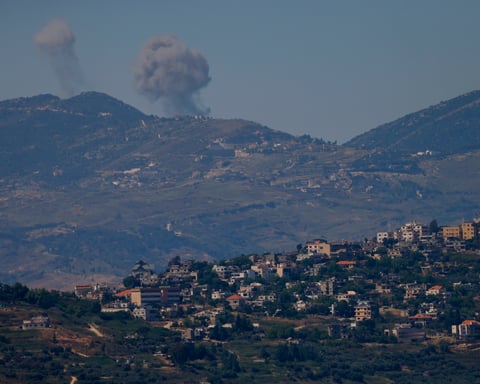
NEW YORK — The gold bar that fetched $5,263 an ounce on the last day of February is worth roughly $4,329 today. In the hundred days since the United States and Israel launched coordinated strikes against Iran on February 28, precious metals have traced an arc that defied the safe-haven logic investors relied on going in: an initial spike to records, then a collapse driven not by peace but by something more structurally damaging — the prospect of rates staying high for longer in an inflationary war economy.
The losses, tallied through June 5 by Anadolu Agency, span all four major metals. Gold is down 17.8 percent from its pre-war level. Silver has given up 27.6 percent. Platinum has shed 24.8 percent. Palladium, the hardest hit, has lost 31.1 percent. None of these numbers captures what the markets went through to get there — the record highs of January, the brief panic-buying that followed the outbreak of fighting, and then the grinding selloff that set in once investors understood what kind of war this actually was.
The conflict’s economic logic inverted fast. In January, gold had already climbed to an intraday high of $5,600 per ounce on geopolitical anxiety before the fighting started, closing the month up 12.4 percent at $4,849. Silver touched $121.70 an ounce — a record. Platinum crossed $2,923. The conventional framework held: Middle East tension, safe-haven demand, buy metal. Then the bombs fell, and the framework broke.
What changed was the inflation read. Oil prices surged as Iran moved to restrict Strait of Hormuz shipping, and that surge arrived at the worst possible moment for anyone hoping the Federal Reserve was on a path toward rate cuts. US inflation hit a three-year high in April, driven in part by energy costs feeding through supply chains. The Fed, now under Kevin Warsh, held its benchmark rate at 3.5 to 3.75 percent and signaled it saw no near-term path to easing. Before the war began, futures markets had priced in a 57 percent chance of a June rate cut. By mid-March that probability had collapsed to 23 percent.
Gold offers no yield. In a high-rate environment, that is not a minor inconvenience — it is a structural drag. As Treasury yields climbed and the dollar strengthened, institutional investors began exiting bullion positions, some to cover margin calls elsewhere. Gold slipped below its 200-day moving average last week after a stronger-than-expected jobs report killed whatever remained of near-term rate-cut expectations. Trading volume in Comex gold futures dropped 25 percent from the pre-war average. In silver, futures and options volume combined fell 60 percent compared with January and February.
March was the cruelest month. Gold’s 11.3 percent drop that month was the worst single-month performance since the 2008 global financial crisis. Silver fell 19.9 percent in March alone, retreating to $75.10 an ounce from its record high above $120. The Fed’s decision that month to hold rates while signaling a more hawkish outlook arrived the same week Iran struck Saudi Arabian and UAE energy infrastructure, a combination that left precious metals caught between two contradictory forces — geopolitical fear and dollar strength — with dollar strength winning.
The industrial metals in the group — silver, platinum, and especially palladium — faced a compounding problem. Not only did the rate-and-dollar dynamic pressure them alongside gold, but fears of a war-induced global slowdown hit demand expectations for the manufacturing sectors that consume them. Palladium, where roughly 85 percent of total supply goes toward automotive catalytic converters, carried the most exposure. Its ounce price, which had opened the year at $1,603, fell to $1,232.30 by June 5 — a 31.1 percent decline that left it trading at roughly a third of its all-time high from March 2022.
Platinum told a similar story, though its structural position was somewhat better. The World Platinum Investment Council had flagged a fourth consecutive annual market deficit heading into 2026, with supply constrained by limited South African mine output. That fundamental tightness provided a partial floor — platinum outperformed gold and silver during several of the war’s worst weeks — but it could not fully offset the macro headwinds. From its January peak above $2,923, platinum had declined to $1,779 an ounce by early June, a 24.8 percent loss from pre-war levels.
A brief ceasefire in early April, which brought palladium above $1,500 for a moment and lifted the broader complex, illustrated what the metals are still capable of when geopolitical pressure eases. Oil fell below $100 a barrel on the ceasefire news, inflation expectations softened briefly, and the dollar pulled back. The rally lasted about two weeks before renewed US-Iranian exchanges extinguished it. The pattern has repeated several times since fighting began: ceasefire signal, rally, resumption, selloff.
Whether the second half of the year offers a recovery depends on questions the market cannot yet answer. A durable ceasefire would likely trigger a sharp bounce — gold’s pre-war drivers, including US fiscal concerns, dollar reserve questions, and stretched equity valuations, remain intact according to Metals Focus, the London-based consultancy. The firm’s annual Gold Focus report, released in late May, argued that the economic and political costs of a prolonged conflict will likely drive a relatively swift resolution and that gold’s structural case had not changed. What had changed was the timeline for rate relief, and with it, the near-term floor for where the metals can find support.
The question that Metals Focus declines to answer — and that no one credibly can — is whether the Fed under Warsh would actually cut rates in response to a ceasefire, or whether the inflation already embedded in the system would keep policy tight regardless of what happens in Tehran. Until that is clearer, the floor beneath gold remains uncertain. The record highs of January feel like a different market entirely.