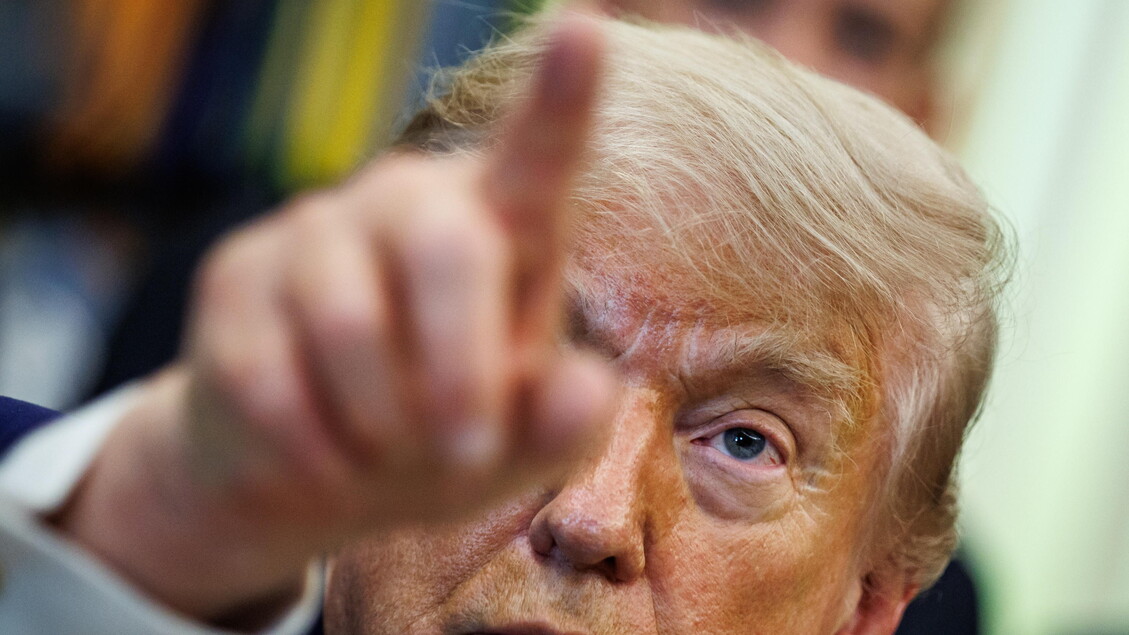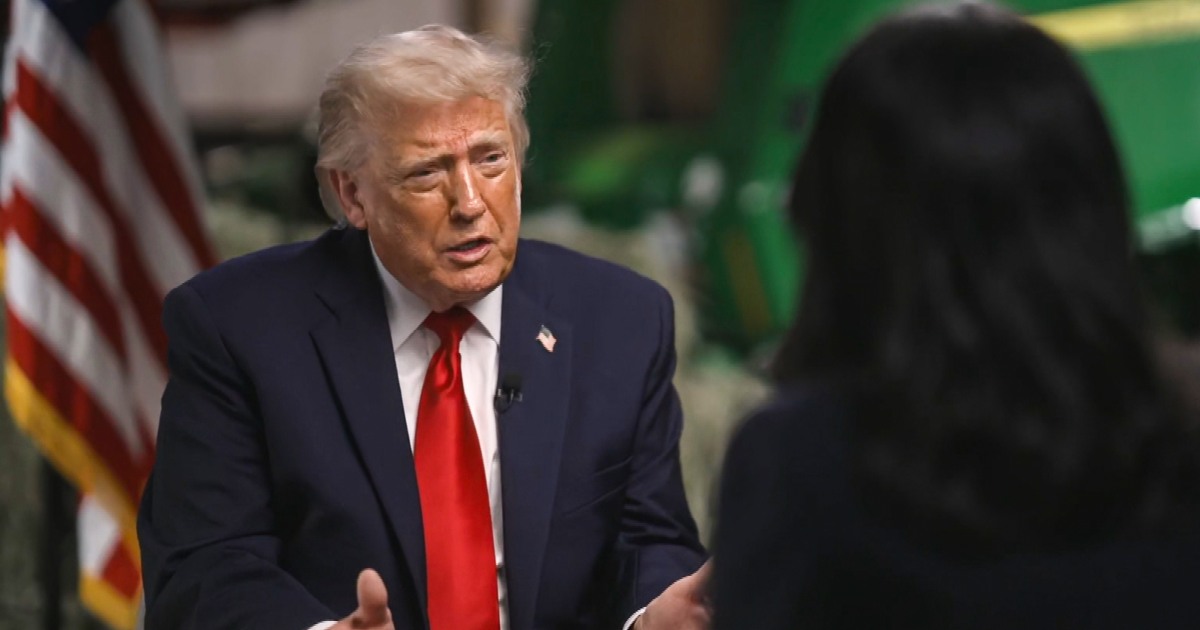
WASHINGTON — The contradiction landed before the Sunday morning shows had even finished. President Donald Trump told NBC News that Iran’s new Supreme Leader, Mojtaba Khamenei, is “more rational” than his late father — then said the United States would resume bombing Iran if no nuclear deal is reached. Both statements arrived in the same interview, delivered with equal conviction.
The tension captures where this conflict stands on June 7: military pressure and diplomatic overture running simultaneously, neither one clearly winning. Trump offered to work alongside Iranian officials to physically remove and destroy the country’s enriched uranium stockpiles — “It’ll be our equipment,” he said — even as U.S. Central Command was tracking Iranian ballistic missiles fired at Gulf allies overnight.
“If we make a deal that now we’re friendly, we’ll all go together,” Trump said, describing a scenario in which American and Iranian teams jointly excavate and neutralize Iran’s nuclear material. He added that if no deal materializes, the U.S. would proceed militarily “very harshly” before sending in teams to secure the uranium. The outcome, he suggested, is guaranteed either way. What remains uncertain is the cost.
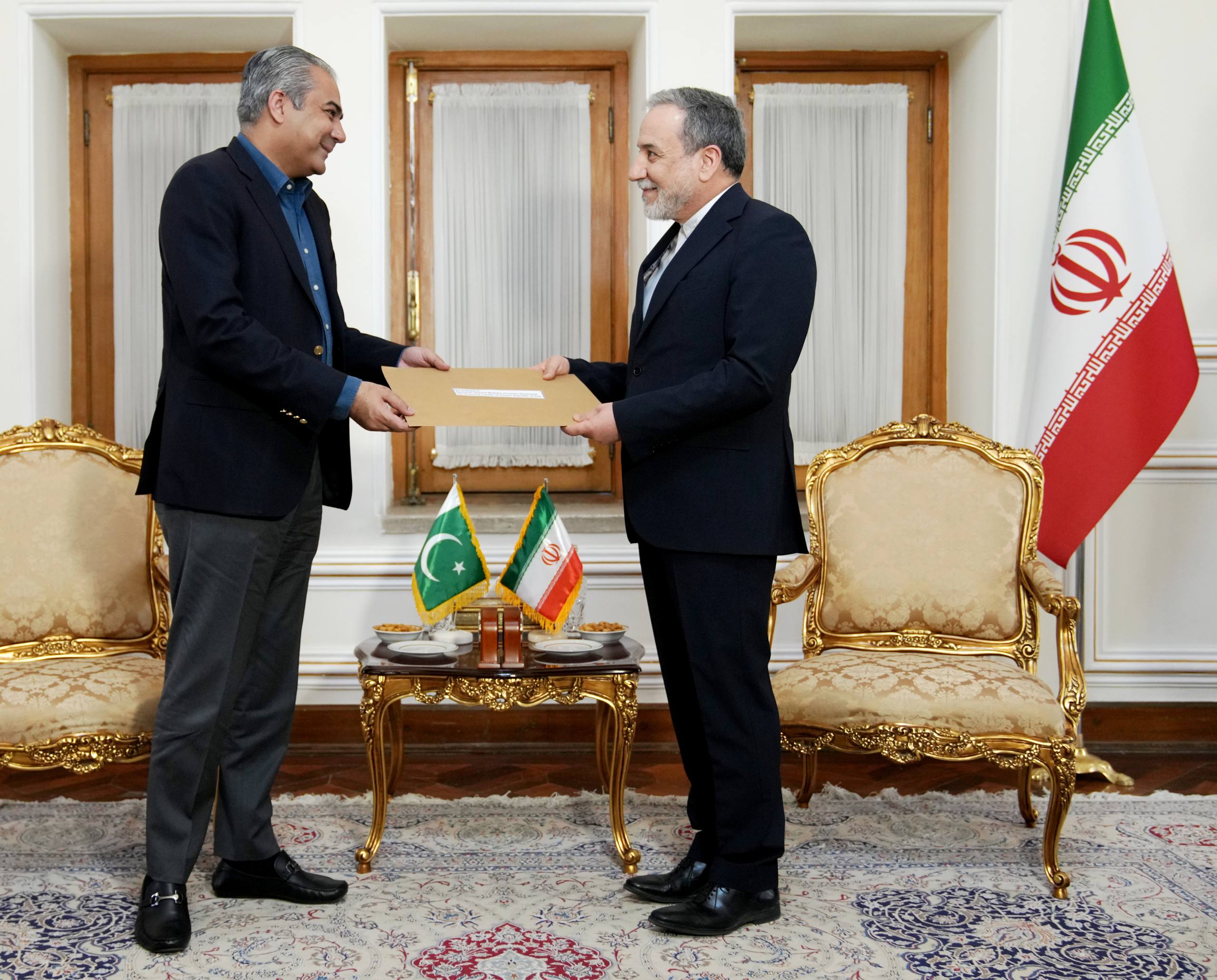
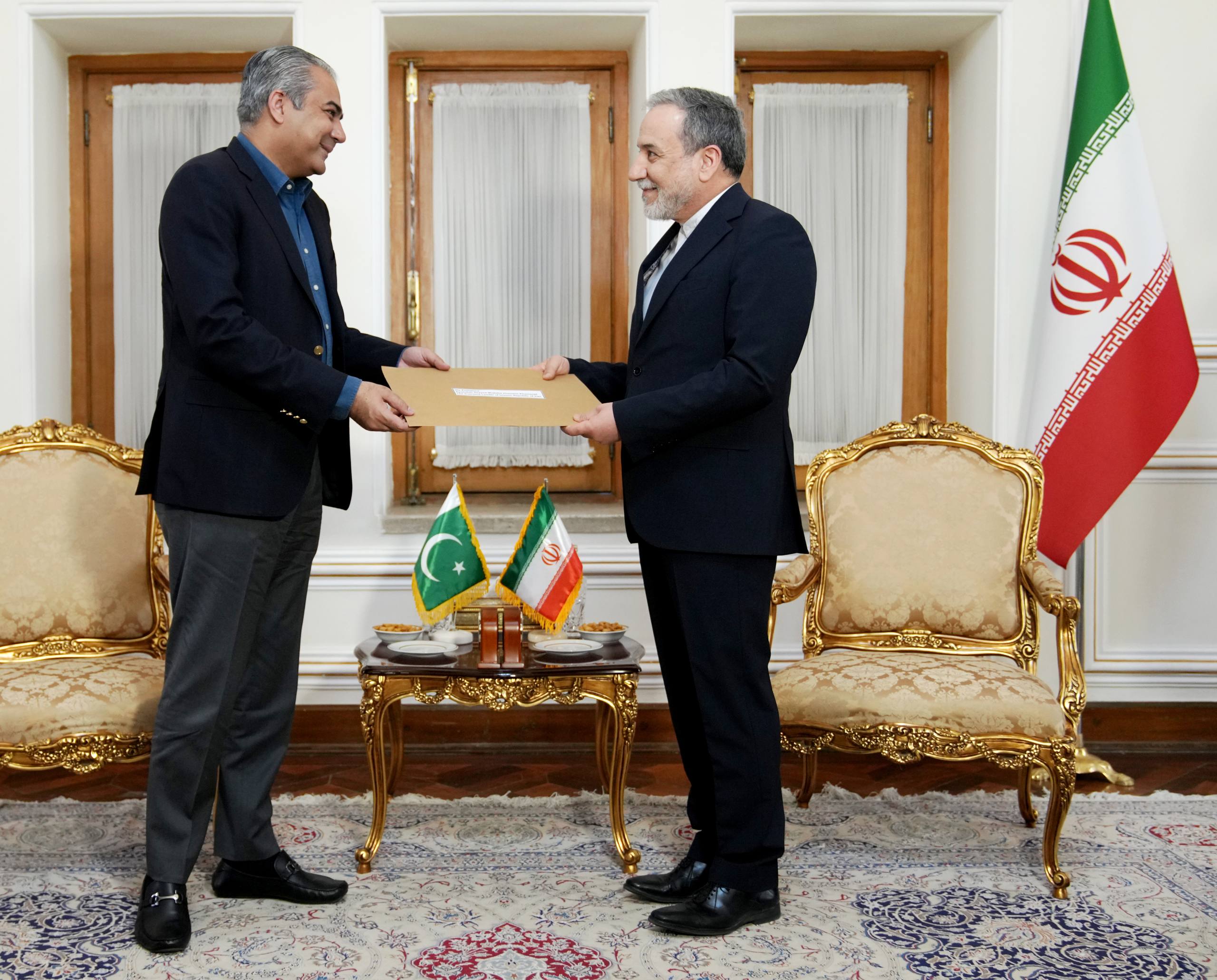
The back-channel keeping those negotiations alive at this moment runs through Islamabad. Pakistan’s Interior Minister Mohsin Naqvi arrived in Tehran on Sunday, carrying a written message from Prime Minister Shehbaz Sharif addressed directly to Khamenei, according to Iranian state media. Naqvi met separately with Iranian Foreign Minister Abbas Araghchi and Interior Minister Eskandar Momeni. Tehran confirmed the channel remains open but accused Washington of complicating progress with what an Iranian Foreign Ministry spokesperson described to CNN as shifting demands.
Qatar also dispatched a senior official to Tehran in parallel, reinforcing the effort — though the details of both missions were not disclosed publicly. What that traffic of envoys suggests is that neither side has yet concluded the negotiating track is finished, even as the military one continues.
Trump’s assessment of the new Iranian leadership was, by his own framing, cautiously optimistic. He described Mojtaba Khamenei as “seriously injured” — the younger Khamenei has not appeared publicly since the conflict began — and noted a quality he called “bravery” in continuing to engage diplomatically despite his condition. “A lot of people, if they were injured that badly, wouldn’t be talking about, you know, ‘How are we doing with the United States?'” Trump said.
Whether that portrait matches the institution the new supreme leader represents is a separate question. As the Associated Press reported, Iran still holds its enriched uranium, its missile program is being rebuilt, and its support for armed proxies in the region has not ended. The people now leading Iran, an AP analysis noted, remain close to the powerful Revolutionary Guard — the same body that has directed the country’s military responses throughout the conflict.
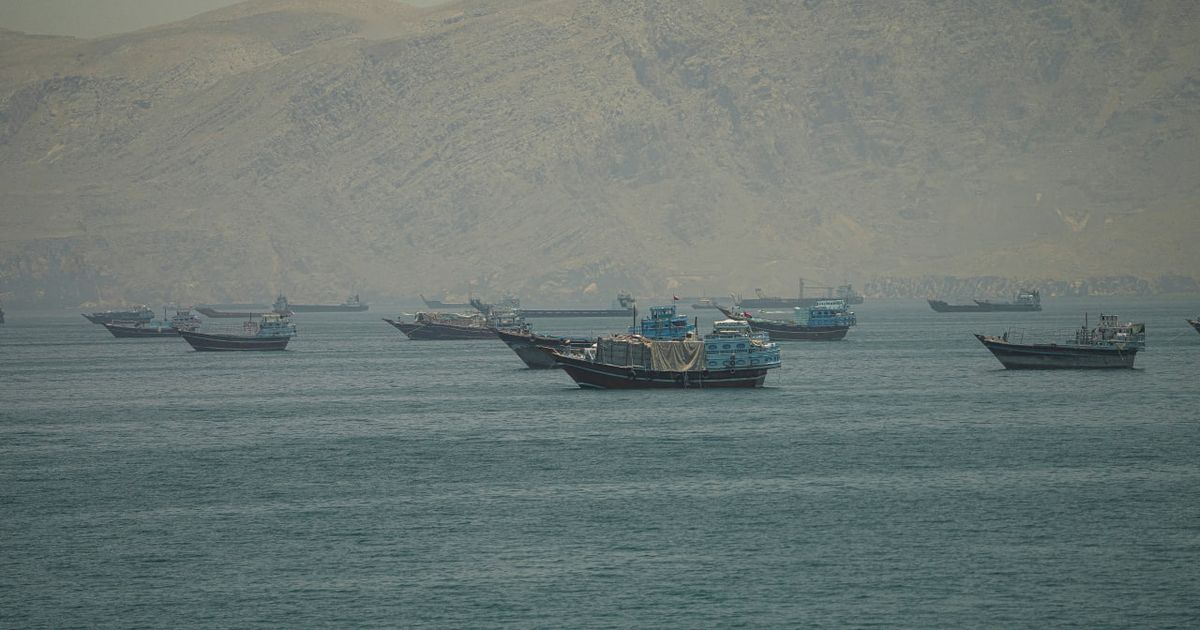
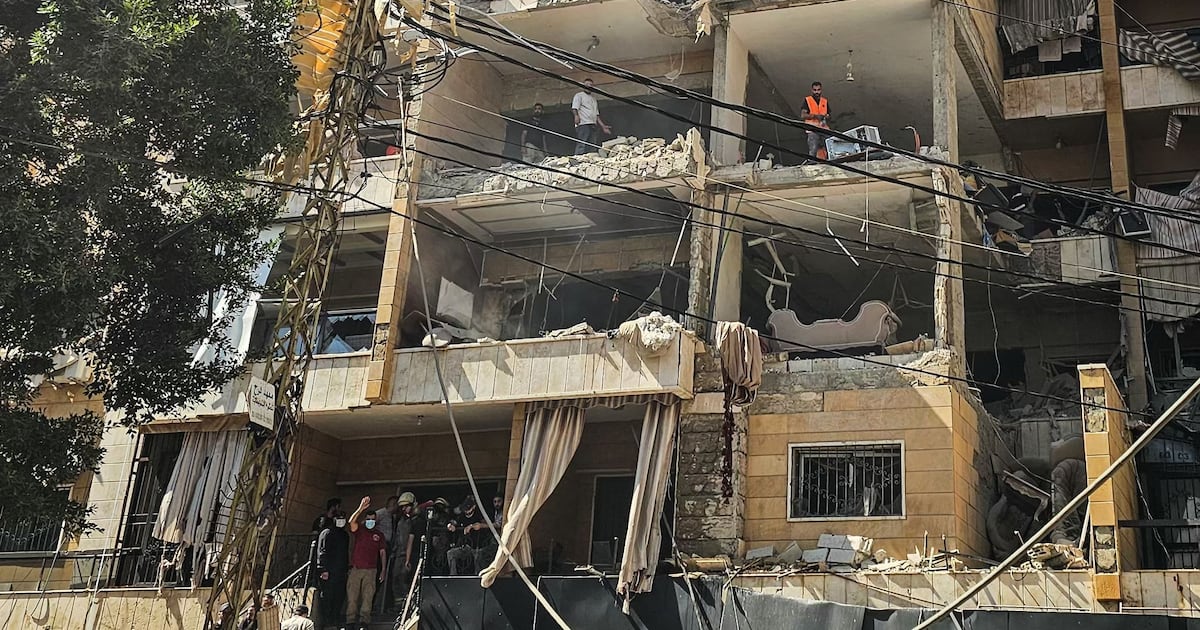
On the ground, that military activity showed no signs of pausing for diplomacy. CENTCOM intercepted six of seven Iranian ballistic missiles fired at Kuwait and Bahrain after American forces struck radar sites in Goruk and on Qeshm Island late Saturday. Iran had launched those missiles following U.S. retaliatory strikes on four Iranian one-way attack drones. Former CIA station chief Dan Hoffman, speaking on Fox News, said Tehran appears to be “driving up the costs” of the conflict as leverage — each escalation calibrated to increase the political pressure on an administration facing a domestic reckoning over gasoline prices and midterm timing.
That domestic dimension is becoming harder to ignore. The national average for regular gasoline reached $4.241 per gallon by late last week, up from $3.144 a year earlier, according to AAA. Moody’s Analytics estimated the conflict has cost American households roughly $100 billion over the past three months, or approximately $750 per household. Kpler oil analyst Matt Smith told Fox News Digital that even if the Strait of Hormuz reopened immediately, normalization of global energy markets would not arrive until the fourth quarter — pushing the pain closer to November midterm elections.
Trump rejected the framing that the conflict represents a broken campaign pledge. “I didn’t promise anything. I don’t like these endless wars. This is not an endless war,” he said when pressed by NBC host Kristen Welker. He argued Iran had been close to a nuclear weapon before the U.S. acted, describing the intervention as a “favor” to the world. He added he would think “very seriously” about resuming operations if American lives were lost, but characterized the current diplomatic track as promising — “very good negotiations with the people leading the country now.”
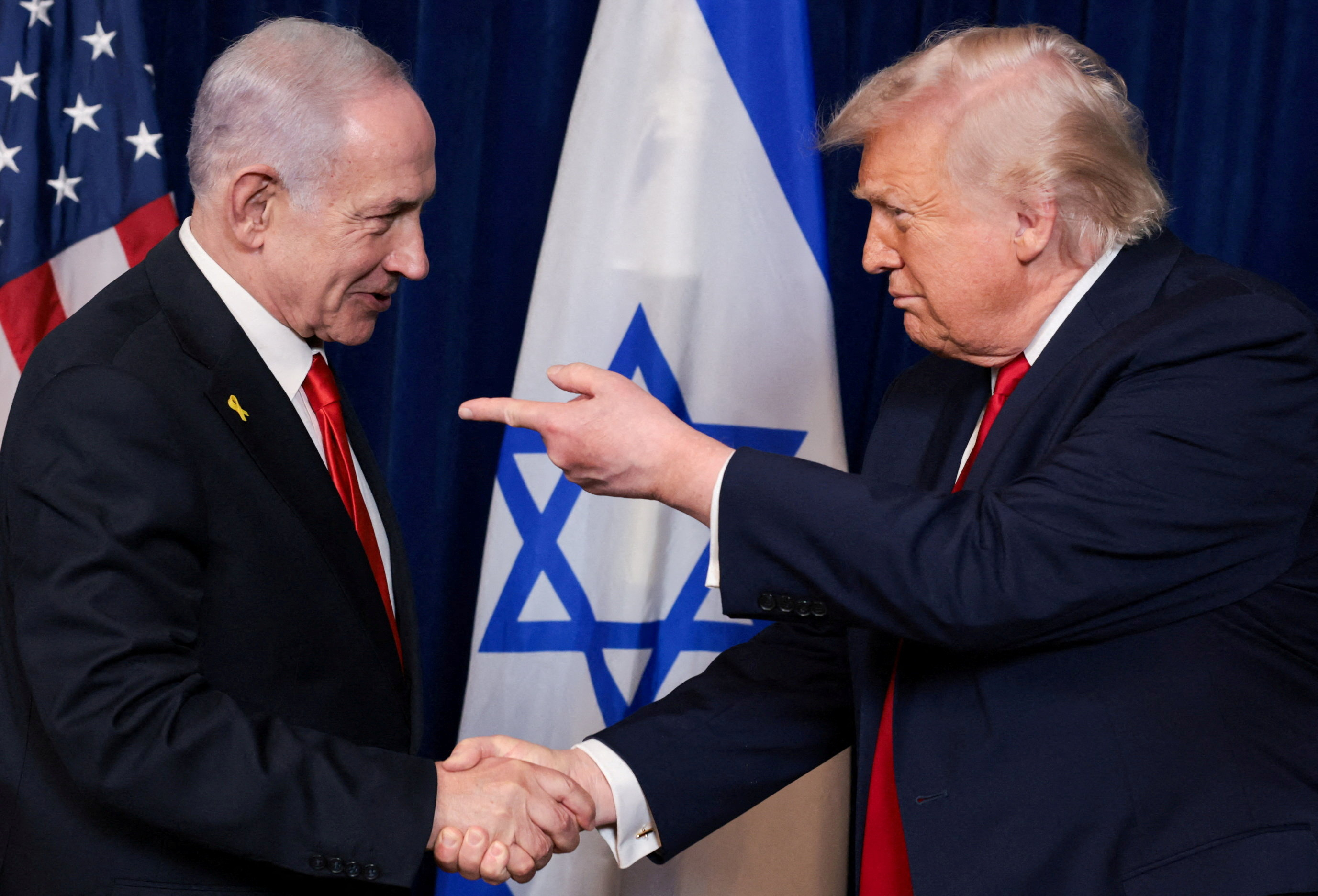
On the nuclear file specifically, the gaps remain wide. IAEA Director General Rafael Grossi has described moving Iran’s enriched uranium as “difficult but not impossible.” The Iranian foreign ministry has previously stated that uranium “will under no circumstances be transferred anywhere,” a position that sits in direct tension with Trump’s offer to jointly extract it. The Arms Control Association noted in analysis published this week that Netanyahu has separately told Trump any final agreement must include dismantling enrichment sites entirely — a bar neither Washington nor Tehran appears close to meeting.
A U.S.-drafted resolution circulated to countries on the IAEA board of governors on Sunday demanded Iran provide precise information on its bombed nuclear sites and residual uranium stocks, Reuters reported. Iran had not publicly responded to the resolution by Sunday afternoon.
Iranian negotiators have separately demanded $24 billion in frozen assets as part of any agreement. The Trump administration has shown no indication it will agree to that figure. Retired General Jack Keane, speaking on Fox News, argued that Iran has no viable alternative — that between the military pressure applied and the economic isolation sustained, a comprehensive deal remains Tehran’s only realistic path. What Keane did not address is whether the new leadership in Tehran has reached the same conclusion.
Trump said he does not plan to withdraw U.S. troops from the region. “I think we’ll keep them there until such time as we have a completion,” he told NBC. What “completion” means — a signed deal, a dismantled program, a durable ceasefire — he did not define. Tehran has gone silent on at least one draft peace text in recent days, while the Pakistan channel offers the most active current thread between the two governments.
Whether Pakistan’s Naqvi succeeded in delivering something more than a letter — a shift in position, a signal of flexibility, an agreed next step — was not known by Sunday evening. Iran International reported that Tehran confirmed messages with Washington continue through Pakistani intermediaries but offered no detail on content or timeline. The war’s original stated aims, by most independent assessments, remain unmet. And the next round of negotiations, if it happens, will take place against the backdrop of Iranian missiles still being fired and American radar sites still being struck.
The question that no public statement from either government has yet answered is whether Trump’s portrait of a more rational Iranian leadership — and his offer to remove uranium side by side with it — reflects a genuine strategic reassessment, or is simply the most recent deadline in a conflict that has already outlasted several of them. Pakistan’s joint military-civilian mission to Tehran this weekend may be the clearest indicator yet of how much work remains.