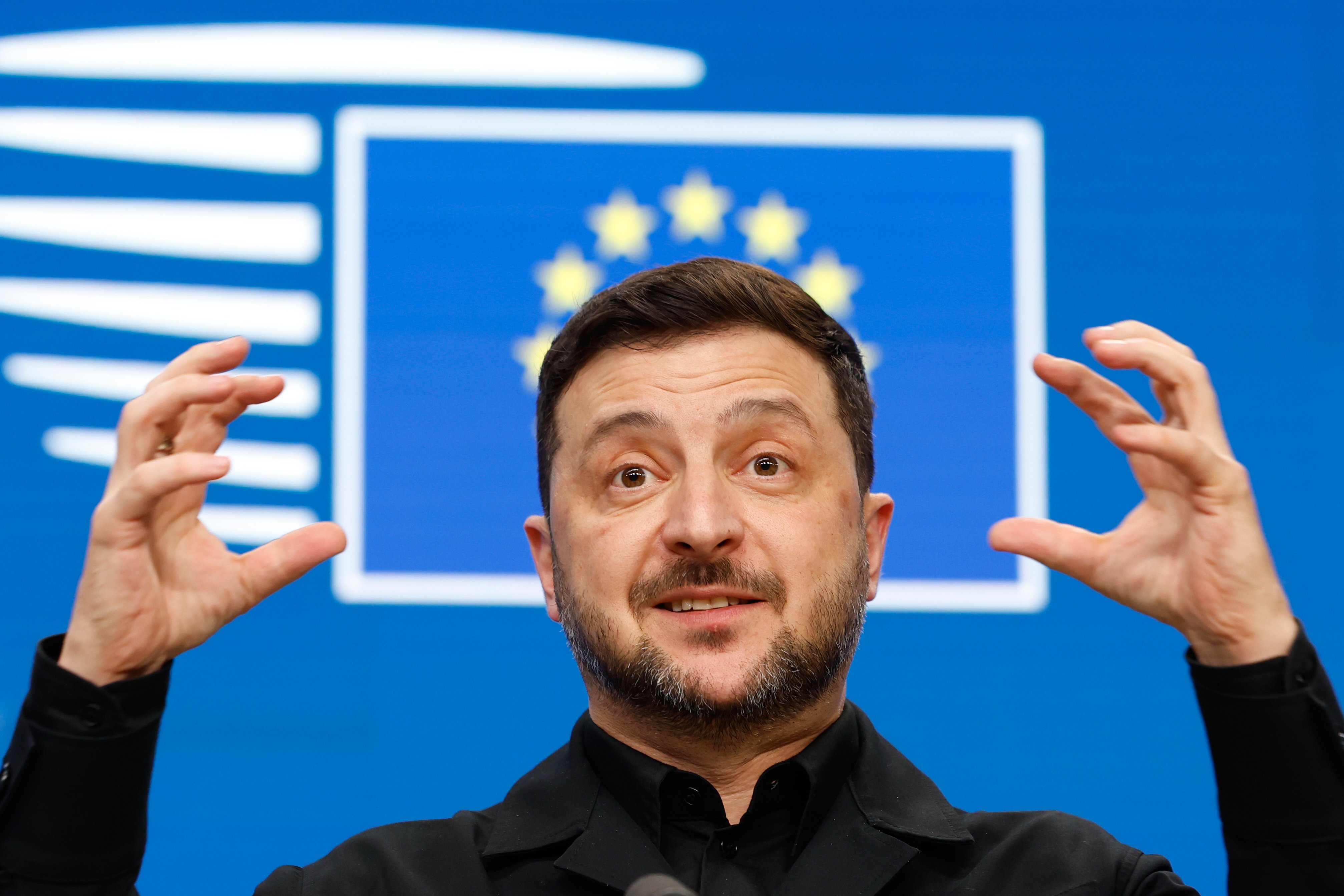
BRUSSELS — Ukraine is days away from receiving the most concentrated financial transfer in its wartime history, and the majority of it will not go to schools or salaries. It will go to weapons.
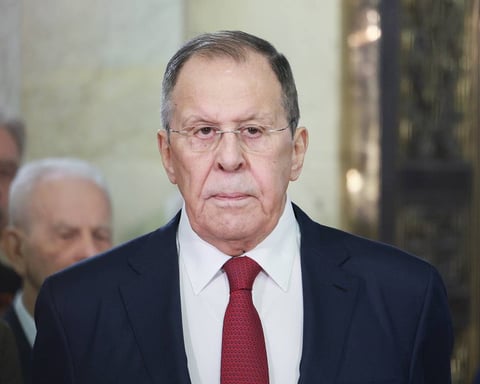
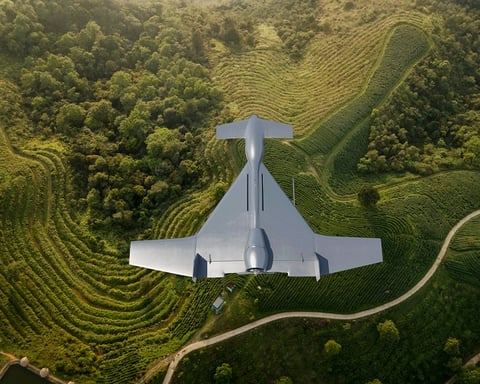
European Commission spokesperson Balazs Ujvari confirmed on Monday that the bloc plans to transfer €9.1 billion — roughly $10.5 billion — to Kyiv before the end of June, describing the disbursement as still within the second quarter of the year. Of that total, €5.9 billion is designated for military requirements, with drone procurement at the center of discussions, while €3.2 billion will flow directly into Ukraine’s national budget as macro-financial assistance under a memorandum of understanding both sides have now signed.
That two-to-one tilt toward defense spending — deliberate in its design — reflects where Brussels has landed after more than a year of political debate about whether the European Union should be in the business of funding wars. It is. The €90 billion loan, agreed at the European Council in December 2025 and ratified by the European Parliament in February, structured the answer into law: roughly two-thirds for military capacity, one-third for economic survival.
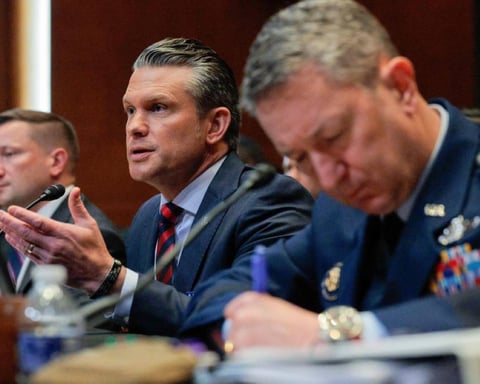
What Ujvari could not say Monday was precisely when the transfers begin. A series of procedural and technical steps remain, he told reporters at a Brussels briefing — mostly on the Ukrainian side. Kyiv’s parliament approved the necessary legislation on May 28, but verification work is still under way to confirm that Ukraine has satisfied the conditions attached to the macro-financial portion of the loan, including benchmarks on anti-corruption reform and rule-of-law commitments. “We would have to do that verification work first, and then in light of this we can determine when the first disbursement is good to go,” he said.
According to European Pravda, the first tranche of the macro-financial assistance — the €3.2 billion budget-support portion — is expected to arrive around mid-June. The €5.9 billion military tranche is still being finalized for structure, though the Commission has indicated it will move quickly once verification clears.
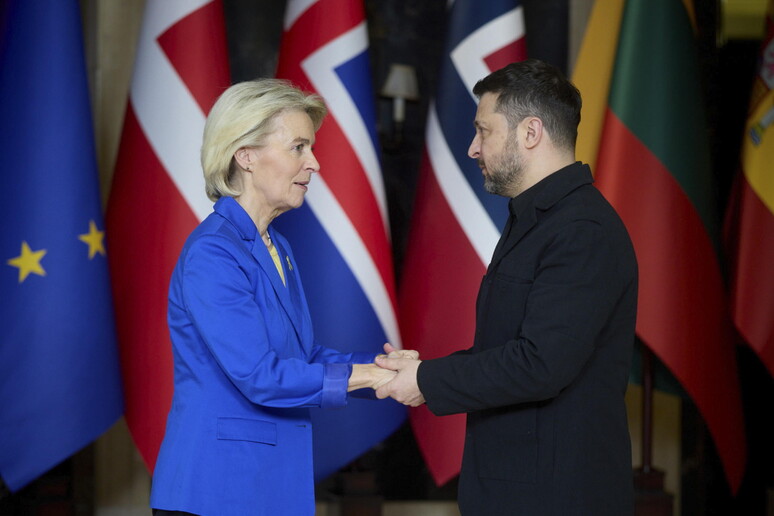
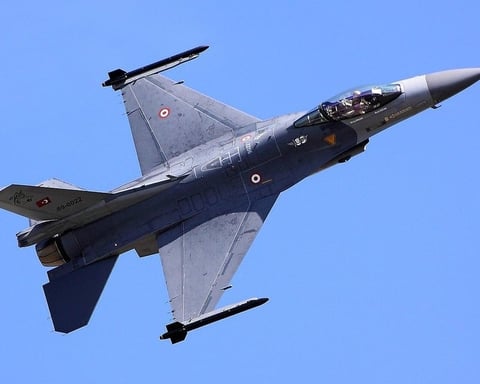
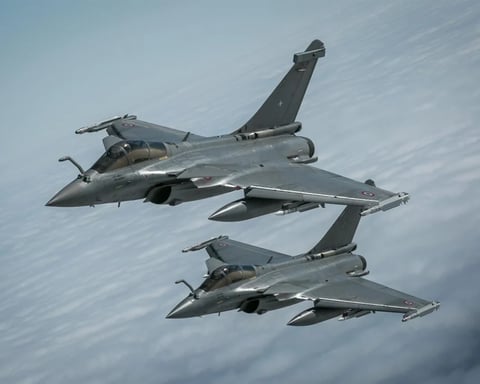
The question of what the military billions can actually buy is more complicated than the headline figure suggests. Under the loan’s terms, Ukraine is expected to spend the defense portion on European products — the logic being that EU taxpayers are underwriting the borrowing costs, and the funds should stimulate European defense industries in return. But Ujvari acknowledged Monday that reality has limits. If a given weapons system is unavailable from European suppliers, or if delivery timelines are too long to meet urgent battlefield needs, Ukraine may procure from other nations. “If it is genuinely justified to go beyond,” the spokesperson said, then sourcing outside Europe is permissible. As Euronews reported, two EU diplomatic sources noted the expectation is that purchases remain European where possible — but a second source put it plainly: Ukraine can look elsewhere if there is “an emergency.”
That carve-out matters. The EU’s defense industrial complex remains stretched, with manufacturers across the continent still rebuilding production lines that atrophied through three decades of post-Cold War neglect. Ammunition, missiles, and air defense components — the categories most in demand along Ukraine’s front line — are among the hardest to source at scale from European suppliers alone. Whether Ukraine can use the €5.9 billion quickly and wisely, without running into the same bottlenecks that have slowed Western military aid since 2022, is the operational question the Commission has not yet answered.
The broader €90 billion loan breaks into two annual envelopes. Of the €45 billion unlocked for 2026 under the Council implementing decision adopted in April, €28.3 billion covers defense industrial support, while €8.35 billion each goes to macro-financial assistance and the Ukraine Facility. The June disbursement represents the first tranche against that 2026 allocation. A second tranche — the structure not yet finalized — will follow later in the year, conditional on further reform benchmarks.
The political significance of the transfer is as much about timing as scale. NATO heads of state meet in Ankara later this month, and the $81 billion NATO aid initiative under discussion there remains contested — Turkey has said it received no information about the proposed framework. Against that backdrop, the EU’s June disbursement lands as a concrete statement of bloc solidarity, one that does not depend on American participation or alliance consensus. Brussels is not waiting for Ankara. The money is already moving.
What Brussels cannot yet guarantee is whether that money will arrive in time to affect the battlefield calculus before summer fighting intensifies. Ujvari’s Monday briefing was notable as much for what it confirmed — the amounts, the split, the June window — as for what it left open. Conditions still need verification. Technical steps remain. The first transfer is “good to go” as a statement of intent. Whether it is good to go as a wire transfer depends on Kyiv meeting benchmarks no one has yet publicly certified as complete.
NATO’s $6 billion weapons pledge for Ukraine has already run into delivery delays on Patriot systems, illustrating the gap between financial commitments and material reality. The EU loan is a different instrument — it funds procurement rather than direct transfers — but the underlying supply-chain problem is the same. Kyiv will have the money. Whether it can spend it fast enough is the question that will outlast this month’s wire transfers.