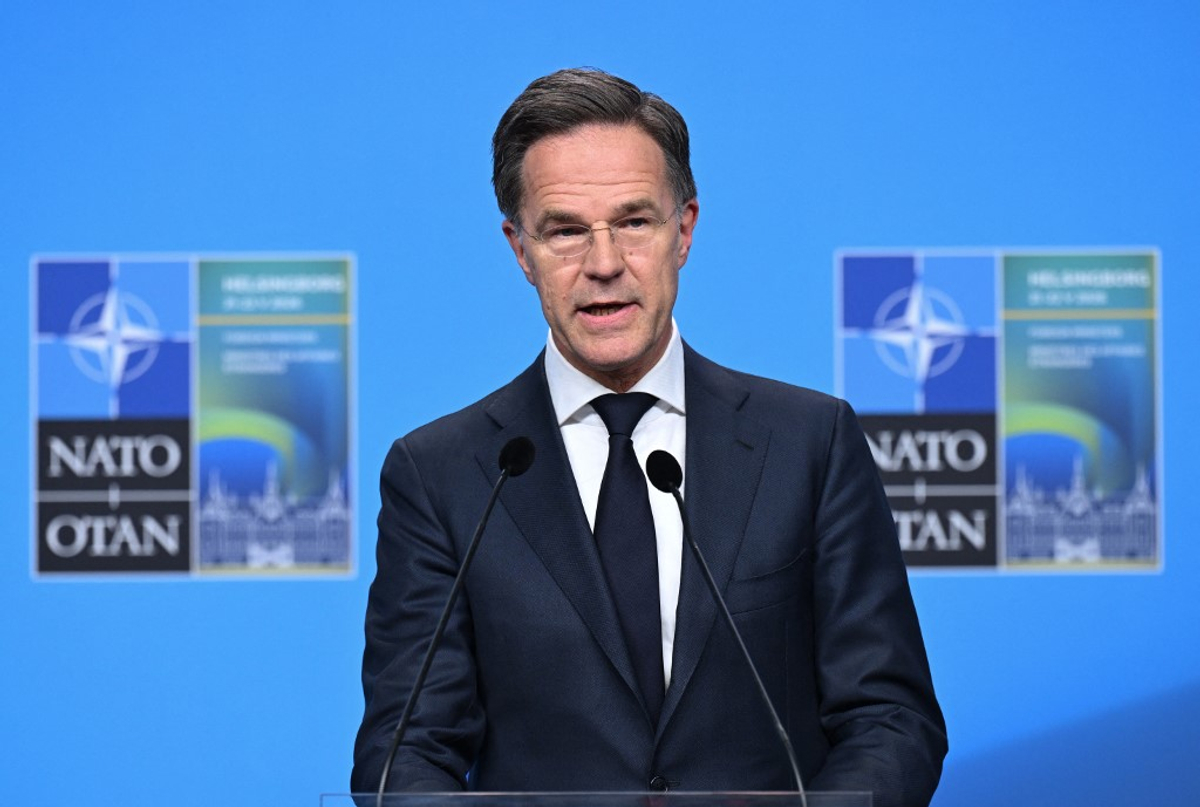

ANKARA — The country hosting next month’s NATO summit does not know what is on it. That is the blunt substance of a disclosure made Monday by a senior Turkish government source, who told RIA Novosti that Ankara has no information about a proposal to coordinate a 70-billion-euro military aid package for Ukraine — a package that NATO diplomats, according to Politico, have been quietly assembling for announcement at the July 7–8 summit in the Turkish capital.
“We have no information about the existence of such an initiative on the agenda of the upcoming NATO summit,” the source said, adding that final decisions on a number of issues would be reached only after consultations among allies were complete.
The remark arrived days after Politico, citing multiple NATO diplomats, reported that the alliance is actively discussing what would amount to the largest single-summit financial commitment to Ukraine since the Russian operation in the country began in February 2022. The package — valued at roughly $81 billion at current exchange rates — was conceived in part to address an internal complaint that has grown louder in recent months: that the cost of sustaining Ukraine is falling unevenly across the alliance’s 32 members.
The German proposal, as described by Politico‘s sources, is not simply a funding number. It comes attached to a new transparency mechanism designed to track contributions and prevent double-counting between NATO bilateral pledges and EU-channelled funds. Some allies have resisted this architecture, worrying that a pooled European instrument would reduce their domestic incentives to make direct contributions — a concern that remains unresolved in the negotiations.
German Chancellor Friedrich Merz, who championed the initiative, is due to convene the leaders of France, the United Kingdom, Italy, and Poland — the so-called E5 group — in Berlin before the summit to align a common European position. That meeting is itself a measure of the diplomatic load the Ankara gathering is expected to carry. At the previous NATO summit in The Hague, allies agreed in principle to raise defense spending to five percent of GDP by 2035, a target that left several European capitals staring at fiscal arithmetic they have not yet solved.
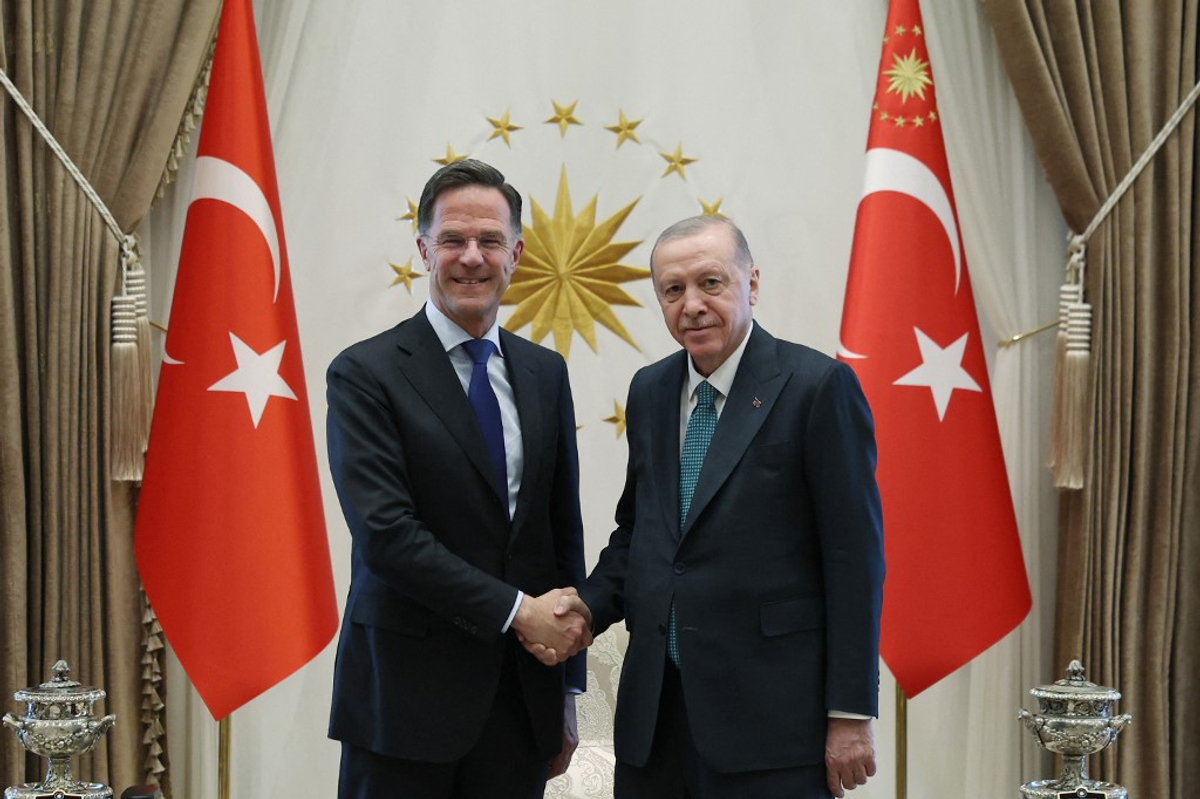
Against that backdrop, the Turkish government’s statement is less a diplomatic protest than a factual accounting of where negotiations stand. The agenda of the July summit is not yet final. The source in Ankara was careful to note that consultations among allies are continuing and that decisions on several agenda items remain open. Turkey is not objecting to the initiative — it says it does not yet know of one.
That distinction matters. Britain has moved aggressively ahead of Ankara, with Prime Minister Keir Starmer committing fully-funded defence spending increases and warning that Russia could threaten NATO directly by 2030. Warsaw has pressed Washington for a permanent US military base on Polish soil. Ukraine’s President Volodymyr Zelenskyy is expected to attend the summit in person, pushing for a time-bound NATO membership roadmap rather than symbolic language. The convergence of those pressures is what has made the 70-billion-euro figure — still a working proposal, not a commitment — a gravitational centre for pre-summit politics.
Turkey occupies an unusual position in that architecture. As the summit’s host, Ankara carries a formal stake in the gathering’s success. As an alliance member with its own complicated history — purchasing Russian S-400 missile systems over American objections, maintaining working relations with Moscow through the duration of the conflict, and positioning itself as a mediator in ceasefire discussions — Turkey also carries interests that do not always align tidily with the majority NATO position. Whether Ankara’s Monday disclosure reflects a genuine information gap in alliance consultations, or a more deliberate signal about the pace at which Turkey expects to be brought into the discussion, is something the Turkish source did not clarify.
One data point the alliance has not yet addressed publicly: whether the 70-billion-euro target is achievable within the timeframe being discussed. Internal divisions over NATO funding have flared repeatedly this year. European NATO members allocated roughly two billion euros per month to Ukraine in the first four months of 2026 — a rate that projects to approximately 24 billion euros annually, well short of what the proposed package would require. The transparency mechanism Germany is promoting was designed precisely to close that gap, by making visible where the shortfall lies. Whether visibility alone changes behavior is the question the summit has not answered.
The summit in Ankara — only the second ever hosted by Turkey, following Istanbul in 2004 — is scheduled for July 7–8 at the Beştepe Presidential Complex. Poland’s request for a permanent US military base and Ukraine’s membership bid are expected to compete for agenda space with the financial package, leaving alliance diplomats less than a month to reconcile positions that remain, as of Monday, unreconciled.
What Ankara’s government knows — or says it knows — about the $81 billion initiative will presumably change before July. What does not change easily is the structural position Turkey occupies: indispensable to the summit’s legitimacy, and not yet fully read in on its most consequential proposal.
Related Posts