JERUSALEM — The United States Embassy in Israel ordered all American government employees and their family members to shelter in place Monday, suspending consular operations across the country as Iran resumed ballistic missile strikes that had been halted since an April ceasefire. The directive, issued through the State Department’s Bureau of Consular Affairs, was the most visible signal yet that Washington’s own threat assessment had shifted quietly, without announcement, from concern to something closer to alarm.
The embassy’s consular sections in Jerusalem and at its branch office in Tel Aviv were closed to the public on Monday, June 8. Personnel were told to remain sheltered and be prepared to move to protected spaces in the event of a red alert siren indicating an inbound missile, rocket, or hostile aircraft. Americans seeking to leave, the mission said, could still do so through Ben Gurion International Airport, which remained operational, though travelers were advised to contact airlines directly to verify the status of their flights.
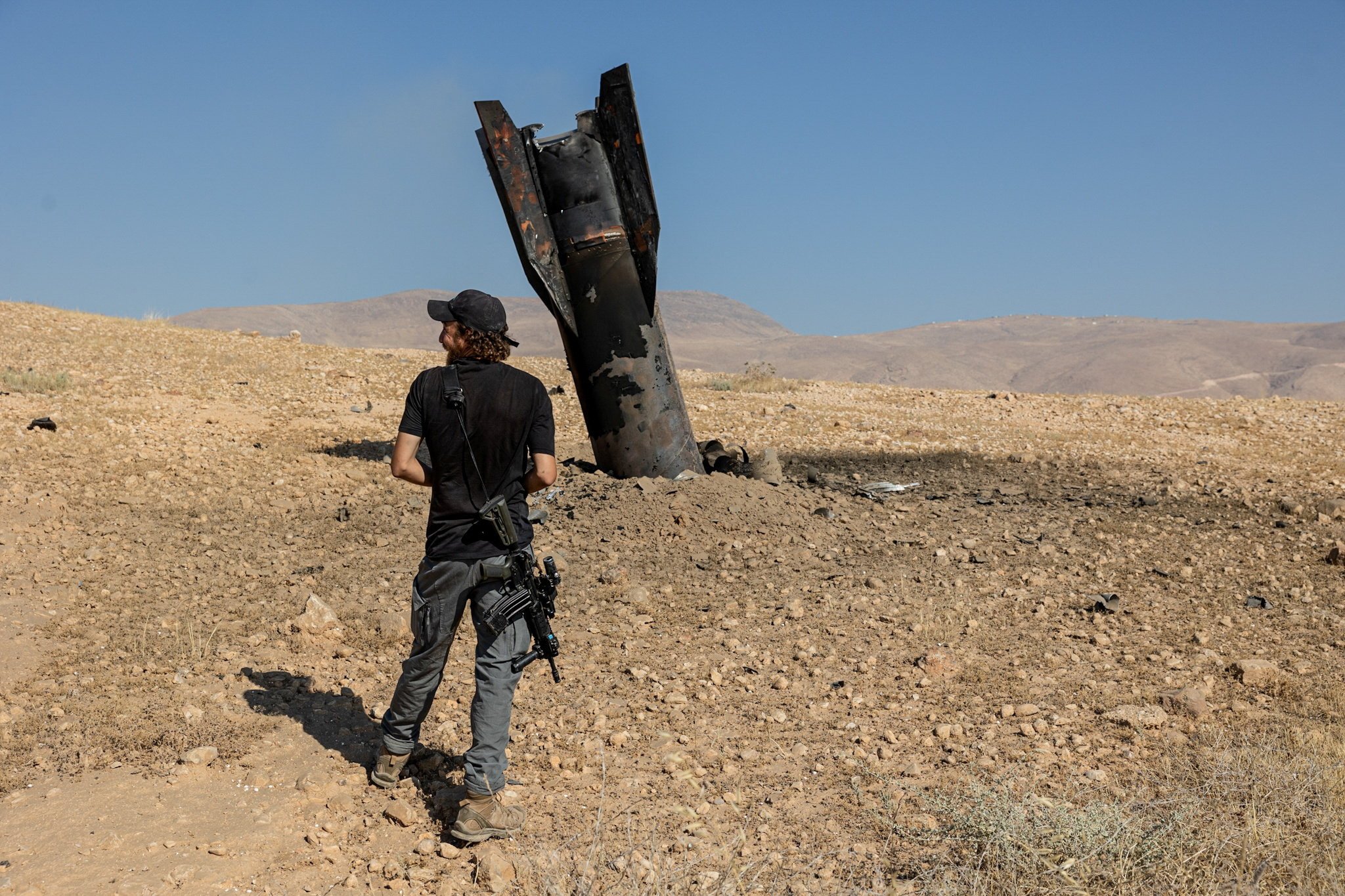
What went unaddressed in the embassy’s terse two-paragraph alert was the scale of what prompted it. By late morning on Monday, the Jerusalem Post reported that the Israel Defense Forces confirmed Iran had fired three distinct salvos delivering between 22 and 24 ballistic missiles at Israeli territory. The IDF said the projectiles were intercepted or struck open areas with no reported damage in the early rounds, but the service also said the conflict was expected to last at least several more days and could still escalate into a return to full-scale war.
The strikes broke a ceasefire brokered under heavy American pressure on April 8, following the 12-day US-Israeli military campaign against Iran that began in late February. That truce had shown signs of strain for weeks. On June 7, Iran fired several rockets at northern Israel in the evening hours, triggering air alert sirens across Haifa and surrounding areas. The launches came hours after Tehran had signaled it would respond to an Israeli strike on a Hezbollah-linked suburb of Beirut. Israel, in turn, announced strikes on military targets in central and western Iran. The exchange entered its second full day on Monday, with neither side showing an exit.
The shelter-in-place order carries a weight beyond its bureaucratic language. Under State Department protocols, such directives are triggered when security conditions deteriorate to a point where movement outside a hardened building poses meaningful risk. It is a distinct and more restrictive measure than the general security advisories the embassy had been issuing in previous weeks, advisories that urged American citizens to know the location of the nearest bomb shelter, monitor local media, and exercise caution. The gap between those two postures is not semantic.
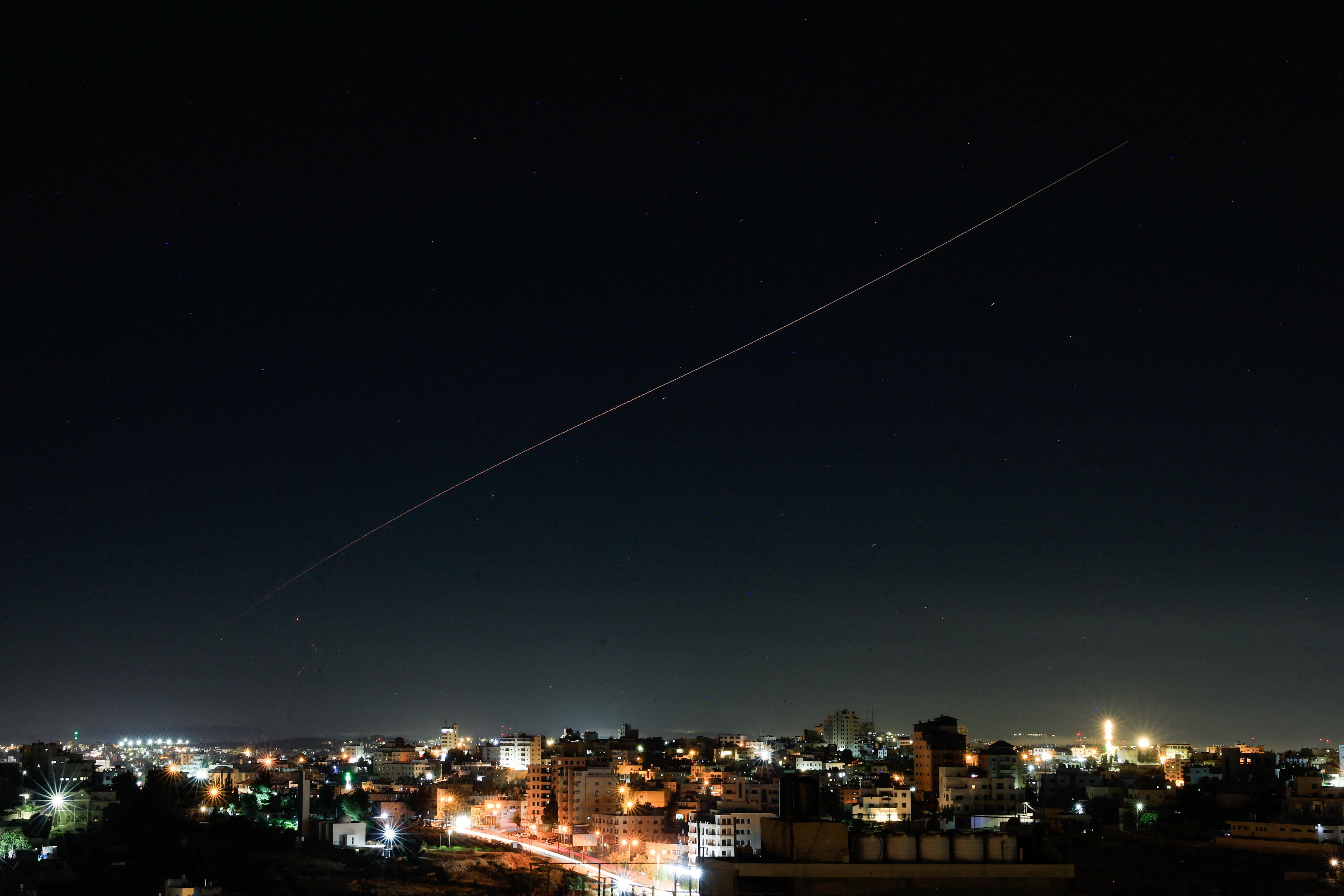
That distinction matters in context. In late February, when the conflict first erupted and Israeli airspace was shut, the Embassy had used almost identical language, but that alert also stated the Embassy was not in a position to evacuate or assist Americans departing the country. Monday’s directive was more measured: Ben Gurion Airport remains open, flights are running, and no evacuation language appeared. The question the Embassy did not answer is how long those conditions hold if the IDF’s projection of several more days of fighting proves accurate.
The IDF’s own public briefings on Monday offered no ceiling. Chief of Staff Lieutenant General Eyal Zamir monitored Israeli strike operations on Iran from the Air Force war room as salvos continued to land. Israeli hospitals moved patients to underground facilities and placed themselves on full emergency footing. Schools across multiple regions were closed. The Israeli Airports Authority said Ben Gurion’s operations were continuing as scheduled but that the situation was being monitored continuously and that instructions would be updated if the firing expanded.
The Houthis in Yemen added their own pressure. Two Houthi missiles were fired at Israel on Monday morning; one fell short of Israeli territory and the other was intercepted, causing no damage. Their presence underscored that Iran’s pressure on Israel does not arrive through a single channel, and that any ceasefire architecture faces the same structural problem it has faced for months: no reliable enforcement mechanism.
Iran’s parliament speaker Mohammad Bagher Ghalibaf had warned days earlier that US military bases in the region were legitimate targets following the Israeli strike on Dahiyeh in Beirut, a statement that positioned Iranian escalation explicitly against American assets and not just Israeli ones. Whether Monday’s Embassy directive reflects updated intelligence on threats directed at US personnel specifically, or is a precautionary response to the general deterioration, the State Department did not say. The standard alert text offered no elaboration.
For the roughly 500,000 Americans who hold Israeli citizenship or reside in the country, as well as tens of thousands of US passport holders visiting, the Embassy’s directive functions as a signal rather than direct guidance. The shelter-in-place order applies to government employees and their families, not to private citizens. But the Smart Traveler Enrollment Program alert that accompanied it reached every registered American in the country. What they do with it is a calculation the Embassy declined to make for them. That gap, between a government directing its own people to cover and leaving everyone else to read the situation independently, is the unanswered dimension of Monday’s directive.
What comes next depends in part on whether Iran’s renewed strikes represent a calibrated message, enough to register without triggering a wider response, or the opening of something more sustained. Trump said Monday that both sides wanted an immediate ceasefire, but the missiles were still landing when he said it. The IDF’s own assessment said both possibilities remained open. That is not a reassuring position when the Embassy staff is already in a shelter.