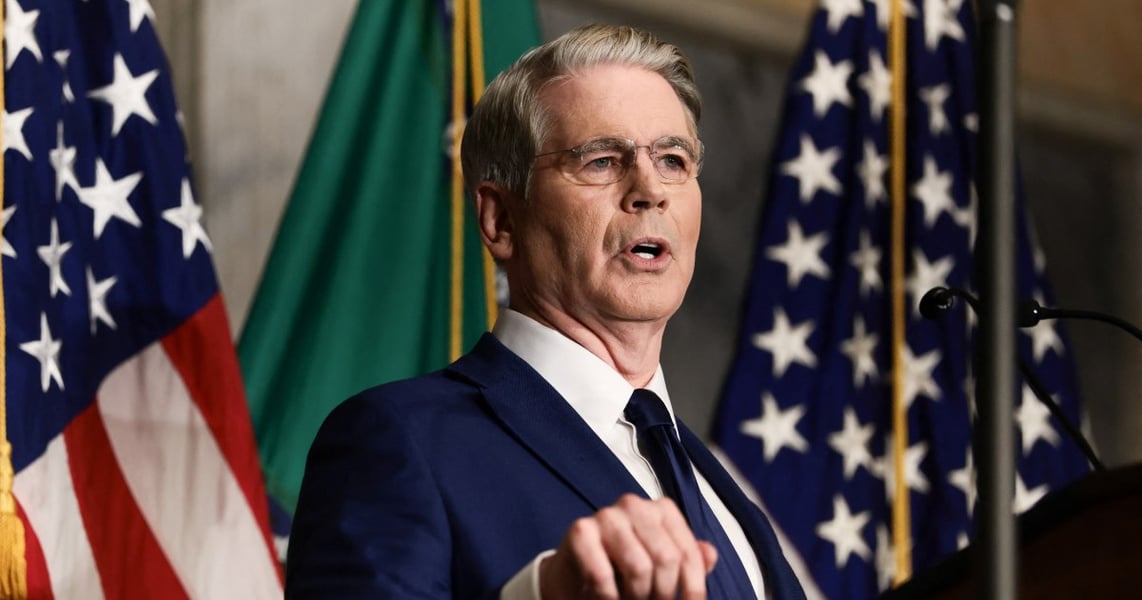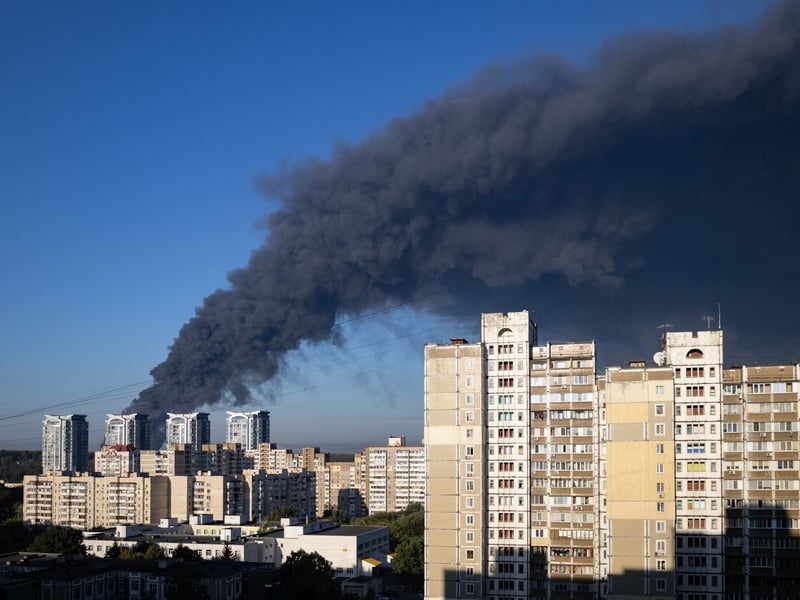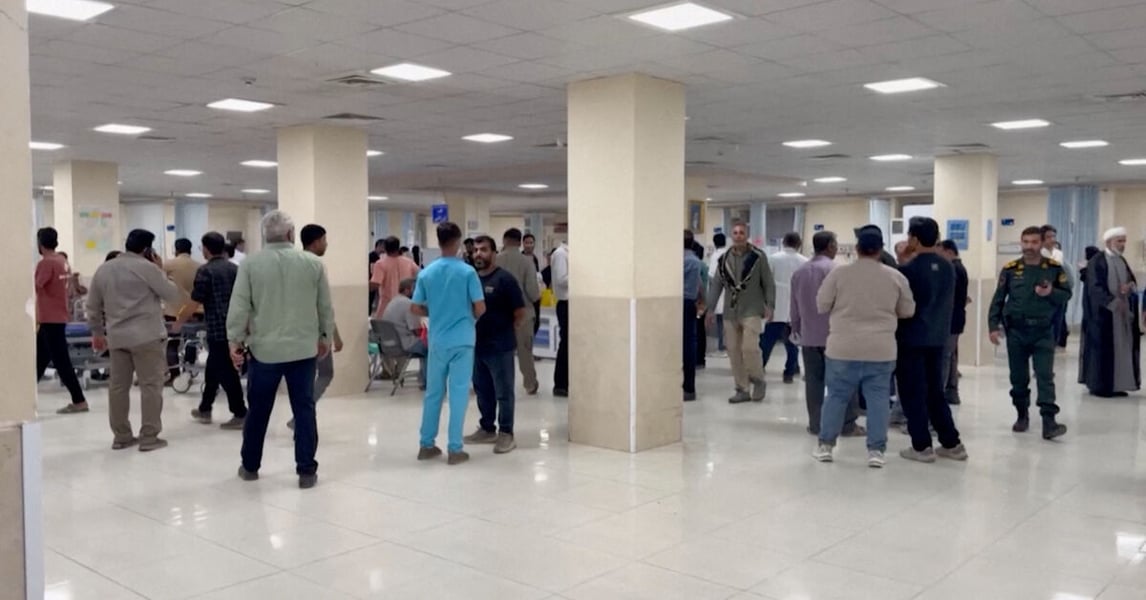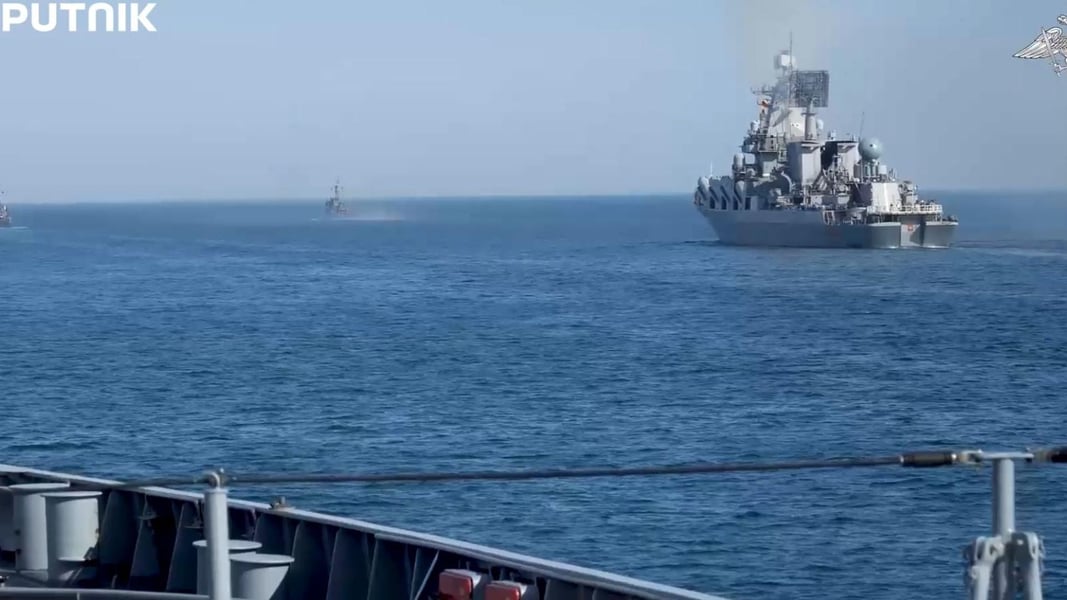

WASHINGTON — The rockets were still in the air when Donald Trump announced peace was close.
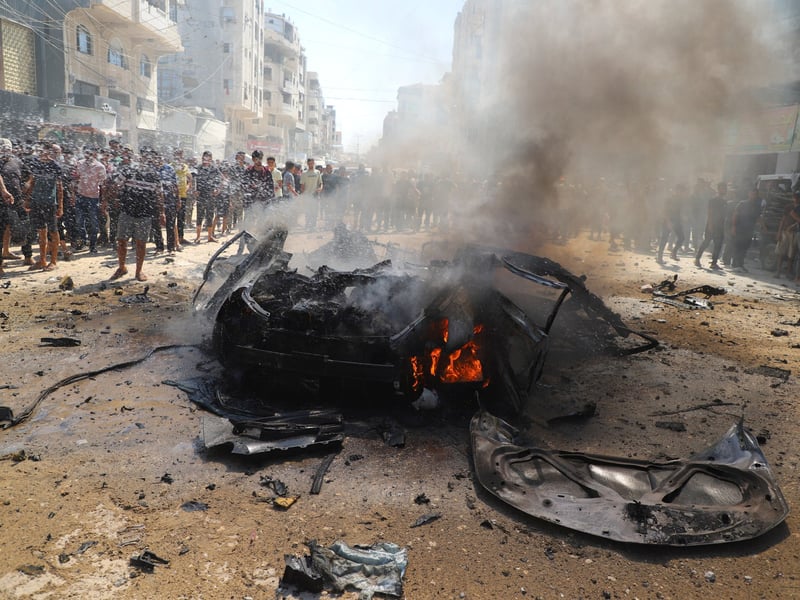
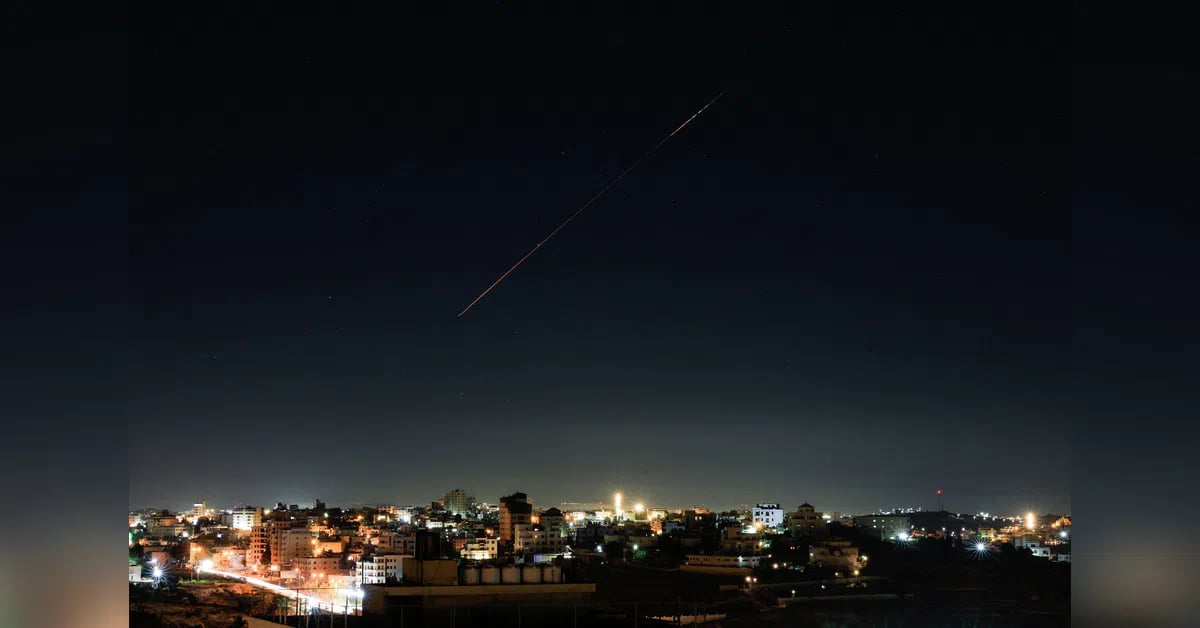
Posting on Truth Social on Monday, the president declared that both Israel and Iran were “looking to do an immediate CEASEFIRE” and that “final negotiations on Peace are proceeding.” The catch: he wrote those words as Iranian missiles were triggering air raid sirens in Haifa for the first time in months, and as Israeli jets were completing what the Israel Defense Forces described as “an extensive strike against strategic defence systems” in central and western Iran. The declaration and the war were running on the same clock.
“Things should move quickly,” Trump added, in the signature register he uses when he is trying to will a deal into existence through momentum alone.
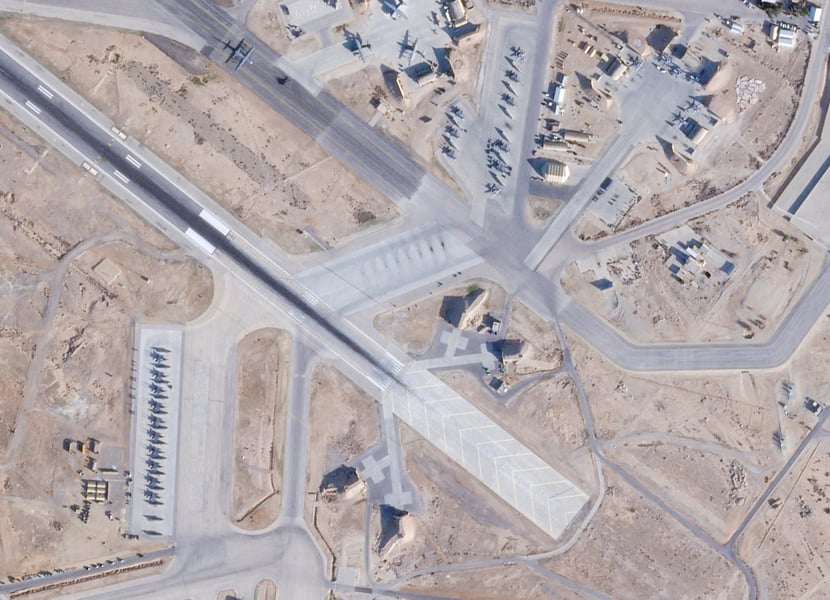
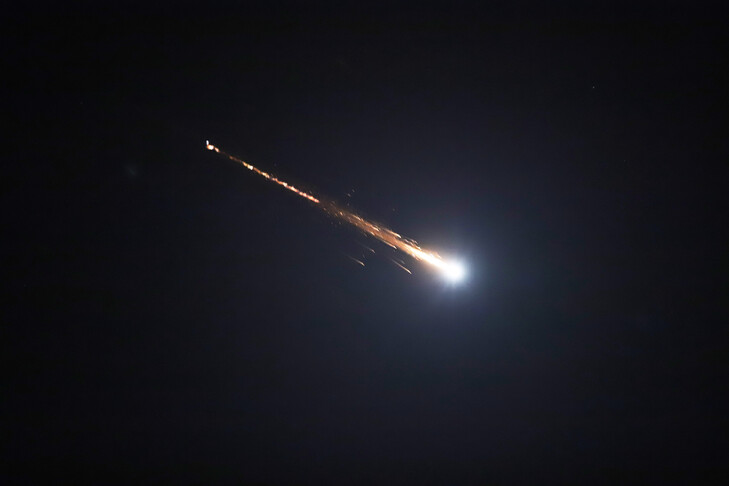
The sequence of events that produced Monday’s escalation began the evening of June 7, when Iran fired what the IDF described as several barrages of missiles at northern Israel. Air alerts sounded across Haifa multiple times. The attacks came hours after Iranian officials signaled that Tehran would respond to a recent Israeli strike on a suburb of Beirut — a strike that Iran has consistently said violated the terms of the April ceasefire by targeting what it considers a front covered by the truce. After the Israeli military announced its own retaliatory strikes on military targets in Iran’s central and western regions, the IRGC confirmed it had launched further attacks on Israeli airbases, including Nevatim and Tel Nof.
In the hours before his ceasefire announcement, Trump had taken a different tone. On Sunday he told Fox News that the Iranian missile attacks were “certainly not going to help negotiations.” He also spoke by phone with Prime Minister Benjamin Netanyahu — a call that, according to US media reports, was aimed at containing escalation. Netanyahu, according to the Times of Israel, “pseudo-agreed” to Trump’s demand that Israel not retaliate to the initial Iranian fire. Then Israel retaliated anyway.
What changed between Sunday’s warning and Monday’s declaration of mutual willingness is not clear from the public record. What is clear is that the White House’s interpretation of the situation — that both sides want out — is not universally shared by the people doing the fighting.
The IRGC statement circulated to international media described Monday’s operation as “a warning,” and was explicit that “if aggressions are repeated, the responses will be broader.” That is not the language of a side seeking an immediate halt. Iran has maintained throughout the conflict that the April ceasefire covered all fronts, including Lebanon, and that Israeli strikes on Beirut’s suburbs were a violation requiring a response — a position that makes every Israeli action in Lebanon a potential trigger for another exchange over Israeli territory.
Trump’s Truth Social post also contained a condition that has not moved: “The Blockade will remain in place, and in full force and effect, until a Final Deal is reached.” The closure of the Strait of Hormuz, which Iran shut in the early weeks of the conflict, has kept global oil prices elevated and inflicted a sustained economic cost on all parties — including US-aligned Gulf states. Keeping the blockade as leverage through any ceasefire means the economic pressure does not release until a comprehensive nuclear and security agreement is signed. That agreement does not yet exist.
A White House official, granted anonymity to speak candidly, told CNBC that Trump had “underestimated the willingness of Iran to restart the conflict,” and that “the recent negotiations with Iran in many ways have exposed a fundamental miscalculation from Trump and the White House.” That assessment, offered from inside the administration, sits in direct tension with the president’s public optimism. Which version represents actual US policy at this moment is a question neither the administration nor its interlocutors have answered on the record.
For Israel, the political calculus is not straightforward either. The IDF said Monday it expects “several days of fighting” and that it is acting alone but in “full coordination” with US Central Command — a formulation that positions the operation as independent while preserving the alliance optic. Netanyahu’s office has not publicly committed to stopping. The prime minister has spent months in a difficult position between a US president who wants a deal and a domestic political coalition that does not.
Eastern Herald reported earlier Monday that Israel struck Iranian targets despite Trump’s direct call for restraint, a move that suggested Netanyahu had concluded the peace process was already past saving. Whether that assessment has shifted — or whether Trump’s Truth Social announcement reflects new information from backchannel talks — remains the central unanswered question of the day.
The blockade dimension adds another layer of difficulty. As Eastern Herald also noted Monday, Trump has refused to unfreeze Iranian assets before a deal, leaving both sides demanding the same concession first. That structural impasse does not disappear because missiles are falling; if anything, each exchange reduces the domestic political space on both sides for the kind of concession a final agreement would require.
The pattern is not entirely new. In the original June 2025 ceasefire that ended the Twelve-Day War, Trump announced an agreement on Truth Social while Iran’s foreign minister publicly denied any deal had been reached. That ceasefire unravelled within hours before eventually holding — after Trump intervened directly to stop Israeli planes already in the air. Monday’s announcement has the same shape: a presidential declaration of mutual intent, issued while both sides are actively shooting, with the details of what either party has actually agreed to left unstated.
Whether “things should move quickly” this time depends on something Trump acknowledged his own post could not control: “ignorance or stupidity getting in its way.” That is an unusually candid hedge from a president who typically presents his deals as already done. It may also be the most accurate line in the statement.
According to Arab News, Iran fired close to 30 ballistic missiles at Israel during Monday’s exchanges, the IDF intercepting the bulk of them while emergency services reported no casualties. What the next conversation between Washington and Jerusalem will look like, and whether Tehran’s backchannel is still open, is what actually determines whether this ceasefire announcement means anything at all.