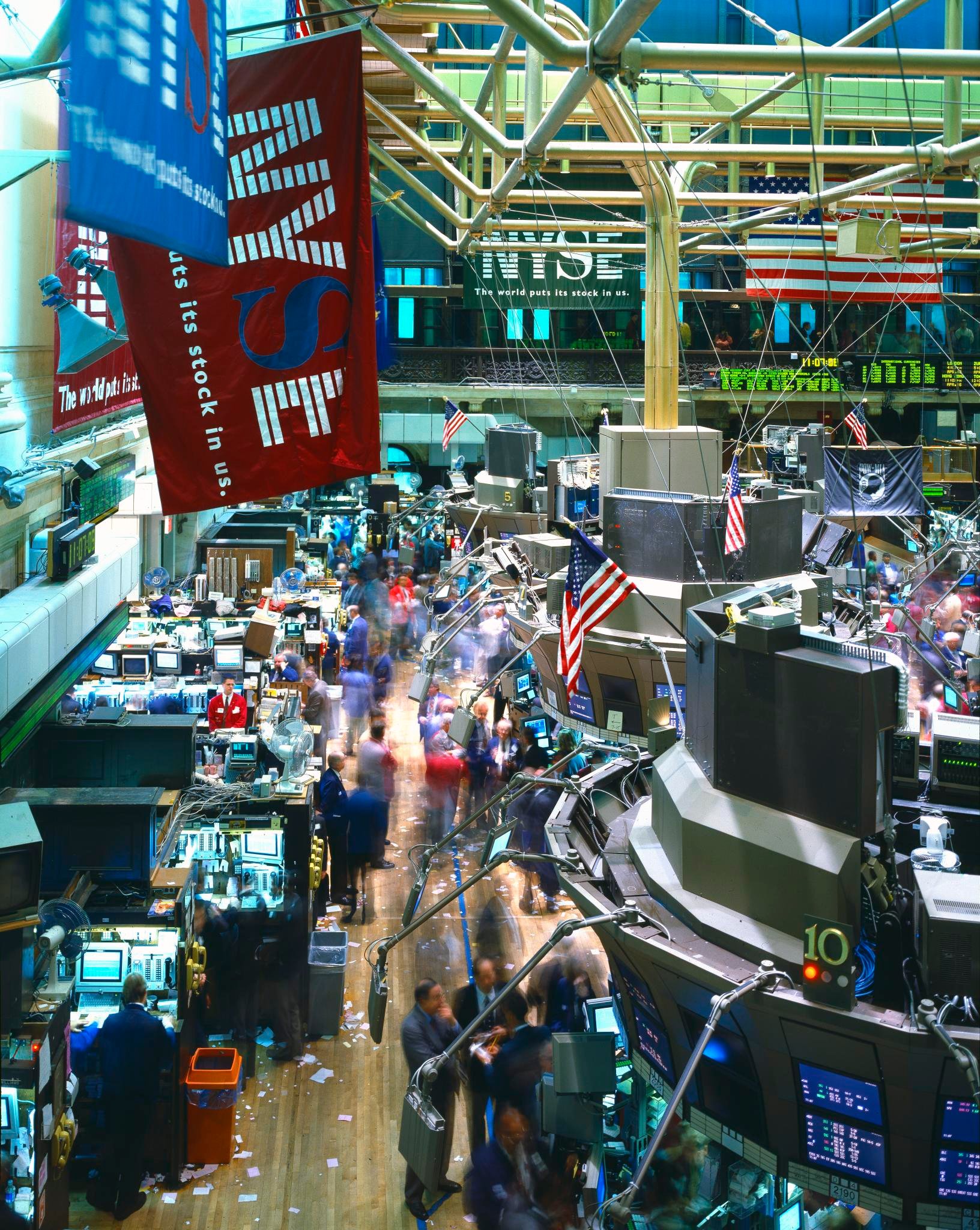

NEW YORK — The oil market spent Tuesday pricing in peace. It got about seven hours.
Brent crude slid below $93 a barrel during Tuesday’s session, a seven-week low, after Iran and Israel said they would halt attacks on each other and traders rushed to sell a war premium they had been carrying for most of a month. Then, at 5 p.m. in Washington, US Central Command began what it called self-defense strikes on Iranian air defense, ground control stations and surveillance radar near the Strait of Hormuz, Bloomberg reported, in response to the downing of an Army Apache helicopter a day earlier. Iran answered with missiles and drones across the Gulf within hours. By the time Asian screens lit up on Wednesday, US equity futures were slipping and the de-escalation trade was dead.
The whipsaw matters more than the level. This is now the third time in roughly a month that energy traders have bought a ceasefire headline only to watch it fail inside a single trading cycle, and each round leaves the same residue: a structural risk premium in crude that no announcement seems able to collapse, feeding directly into the inflation arithmetic that already has equity markets bracing for a Federal Reserve rate hike rather than a cut.
The sequence of the past ten days reads like a metronome. Brent surged past $97 on Monday of last week after Israel bombed Beirut and an Iranian petrochemical plant, erasing a five-day-old ceasefire. Two days of calm pulled it back toward $94, where the benchmark began testing the AI rally’s most convenient assumption, that oil prices and technology earnings occupy separate worlds. Tuesday’s halt-of-attacks announcement bought the steepest relief yet, below $93. The reversal arrived before the American close.
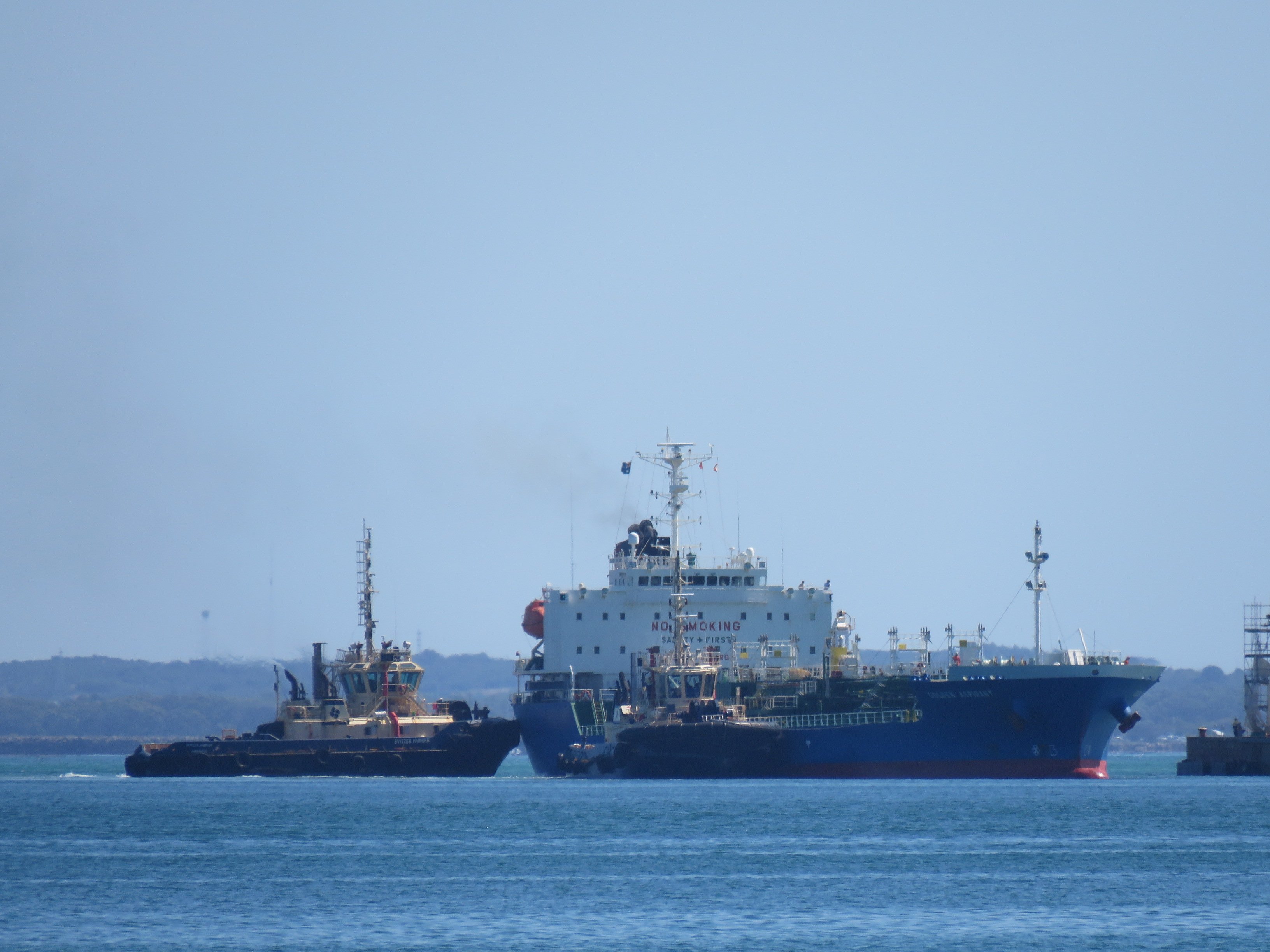
CENTCOM called Tuesday’s operation a proportional response to unjustified Iranian aggression and said the Apache’s crew had been recovered unharmed. Tehran’s reply, missile and drone fire that Gulf officials said reached toward US Fifth Fleet facilities, came around 2:30 a.m. local time. The exchange, the first direct US strike inside Iran since the spring escalation, is detailed in Eastern Herald’s reporting on the strikes around Hormuz and Iran’s retaliation. For markets, the location is the message. Roughly a fifth of the world’s oil moves through the strait the two militaries were just shooting across.
Wall Street’s first verdict was measured rather than panicked. Stock futures slipped in overnight trading, CNBC’s live coverage noted, with the selling concentrated in the rate-sensitive Nasdaq complex rather than spread evenly. Measured is not the same as comfortable. Equities came into the week already bruised by a blowout May jobs report that wiped $1.7 trillion off global markets and pushed Fed hike expectations toward year-end certainty, and crude that refuses to stay below $93 keeps that pressure alive.
The deeper problem is one the market has been warned about. In late May, CNBC reported that oil markets were betting on a swift end to the Iran war and that investors might come to regret it, with analysts pointing to a risk premium that reasserts itself on every flare-up. The physical market made the same point months earlier: in April, dated Brent traded above $120, according to CNBC, a sign that real cargoes were commanding crisis prices even while paper benchmarks relaxed on ceasefire hopes.
President Trump has himself supplied the tail risk that keeps the premium alive, having warned that extensive bombing could close Hormuz for months, an outcome he has described as worse than a negotiated deal. The strikes he ordered on Tuesday were calibrated to avoid that outcome. A US official described them as a warning shot meant to deter Iran without killing indirect talks. Calibration, though, is a two-player game, and Tehran’s half of Wednesday’s equation has no published rulebook.
The timing compounds an already crowded week for risk. SpaceX prices the largest IPO in history on Thursday into this exact tape, consumer inflation data lands with the bond market demanding proof the Fed will fight, and tanker insurers are repricing Gulf transits one strike at a time. None of those calendars move for a war.
What Wednesday’s session ultimately confirms was still being decided in early European trading, and this piece does not pretend to call the close. Nor can anyone yet say whether the overnight exchange ends the round or starts the next one. Iran’s President Masoud Pezeshkian had made no public statement by Wednesday morning, a silence that traders were reading in both directions at once.
The market has now bought the same peace three times in a month. Each time it has been cheaper. That is not optimism. That is attrition.