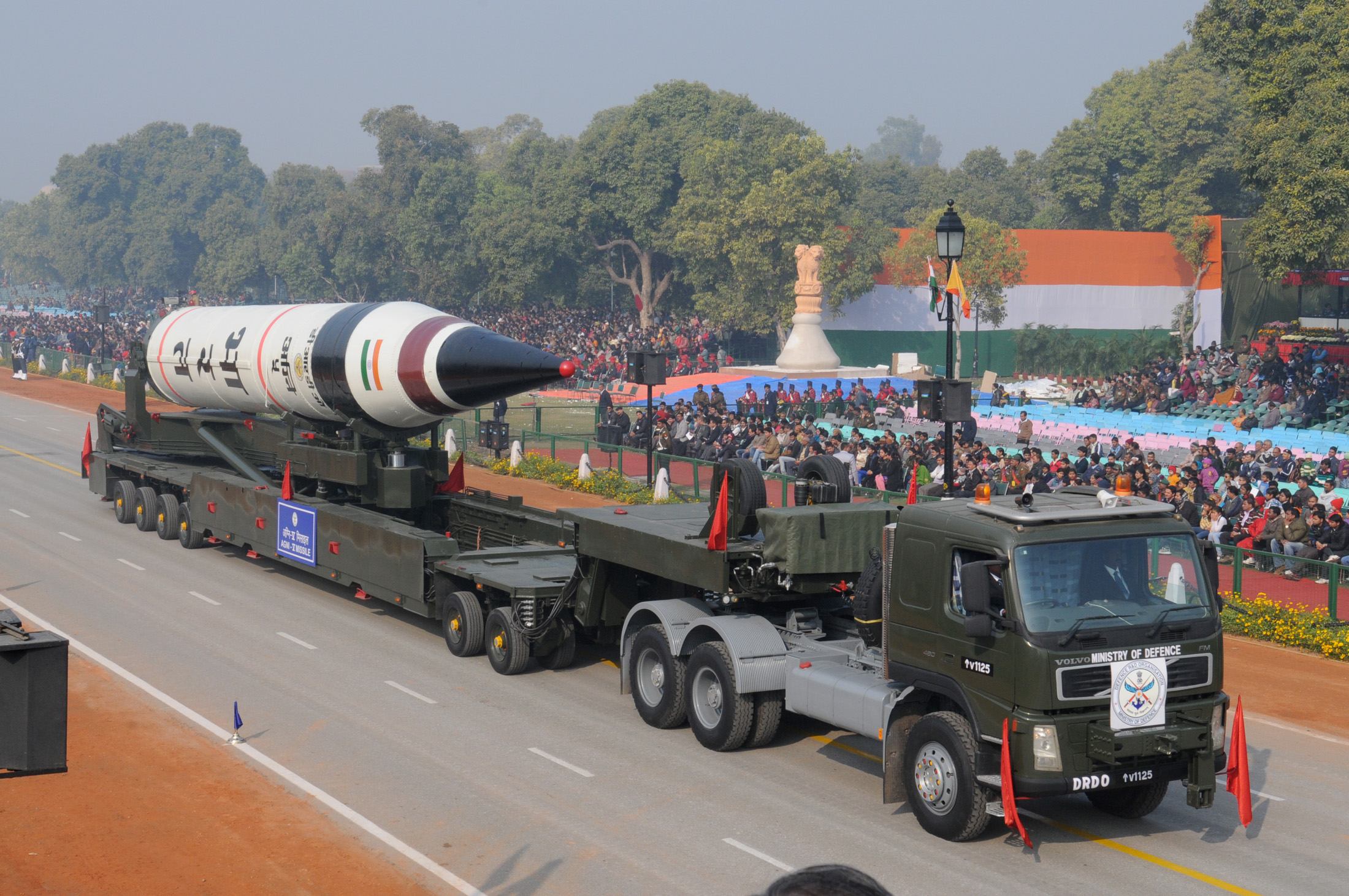

NEW DELHI — For half a century India kept its bomb in pieces. Warheads in one custody, missiles in another, the arsenal stored as a promise rather than a posture, and the restraint itself presented as doctrine. The new count from the Stockholm International Peace Research Institute suggests that era is quietly closing. India’s stockpile has grown to an estimated 190 nuclear warheads, ahead of Pakistan’s 170 for the first time by such a margin, and a dozen of them, by SIPRI’s reckoning, now sit deployed on delivery systems rather than in storage.
The vault is opening.
The institute’s Yearbook, released this week, records that India “once again slightly expanded” its arsenal in 2025 and kept developing new delivery systems, with modernisation increasingly focused on long-range weapons able to reach targets across the whole of China even as planning continues against Pakistan. The neighbourhood it describes is not standing still. China’s stockpile has reached an estimated 620 warheads, growing faster than any other country’s, with hundreds of missiles loaded into new silo fields and a trajectory that could give Beijing as many intercontinental missiles as Washington or Moscow by 2030.
The numbers land in a week when their context is impossible to miss. India’s military is being reorganised around the premise that China and Pakistan now constitute one coordinated front, and SIPRI’s researchers separately recorded a record 119 billion dollars in global nuclear weapons spending last year. The Yearbook adds a detail that South Asia has spent a year trying not to dwell on: during the May 2025 conflict, India struck Pakistani air and missile bases that have potential nuclear roles. The subcontinent’s two arsenals did not merely shadow that war. They were, briefly, inside its target lists.
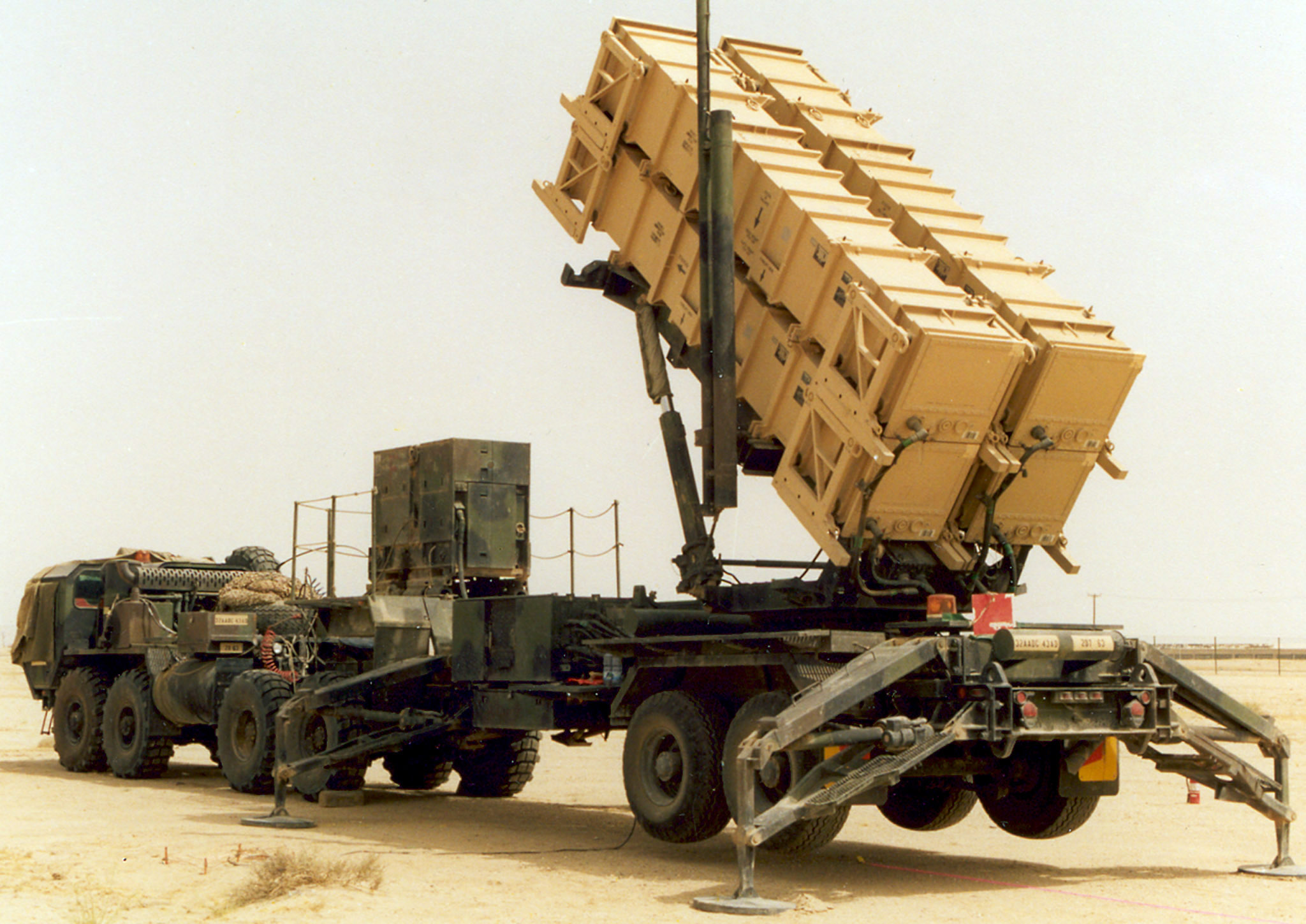
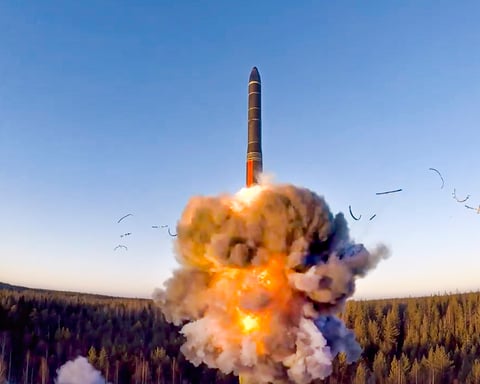
Deployment is the detail that matters most and explains least. India’s deterrent was long organised around what its strategists called recessed deterrence: warheads held apart from missiles, much of it under civilian custody, assembly itself a deliberate firebreak of hours or days. Twelve warheads mated to delivery systems, the practice that canisterised missiles and submarine patrols make possible, removes that firebreak for some fraction of the force. It is a small number. It is also a different kind of number, because it measures readiness rather than inventory.
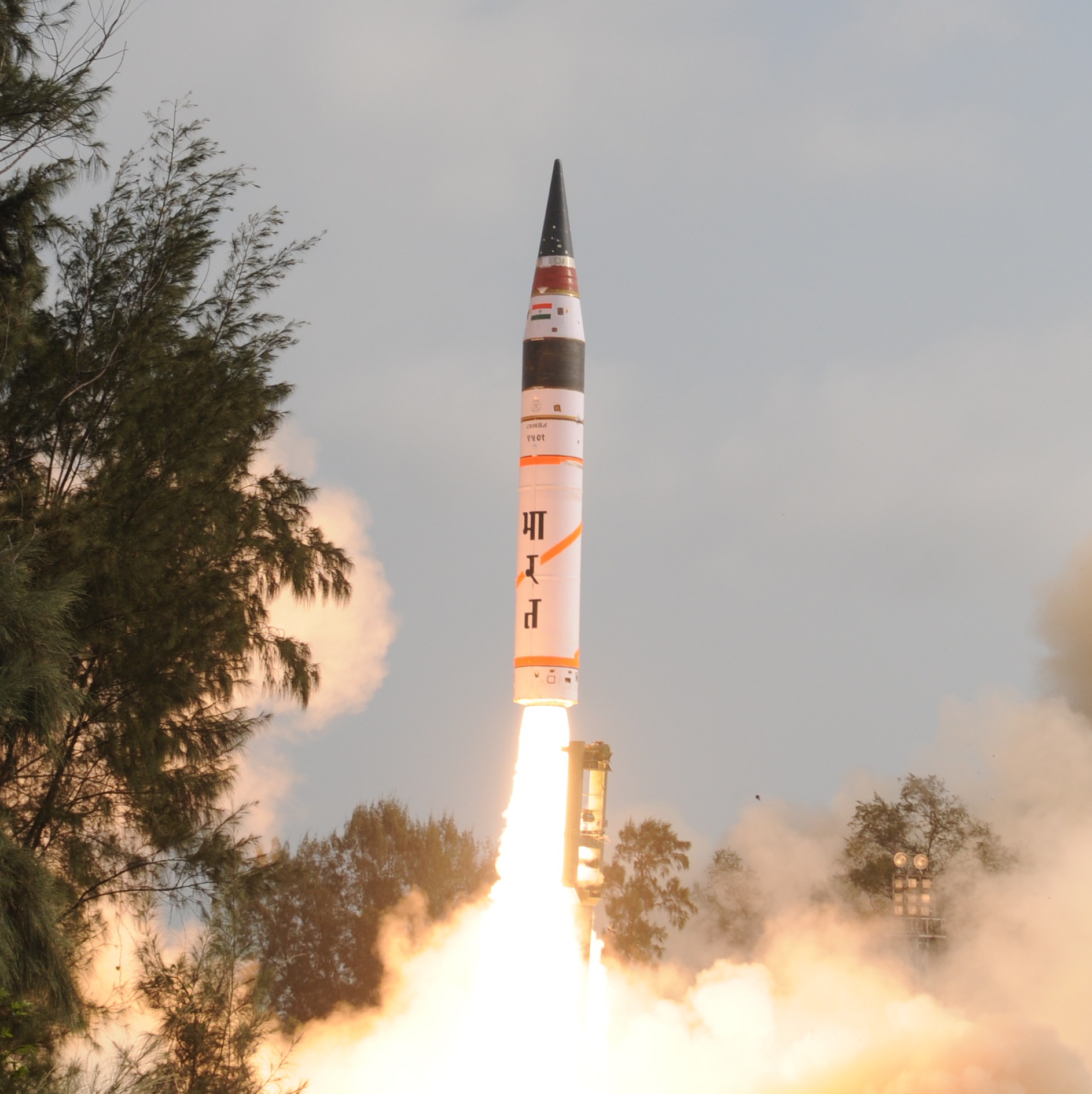
The global ledger behind it is moving the same direction. SIPRI counts 12,187 warheads in the world as of January, 9,745 of them in military stockpiles, just over 4,000 deployed and as many as 2,200 on high operational alert. Hans M. Kristensen, who leads the institute’s nuclear monitoring, put the trend in one line: states “are creating new risks and fuelling arms-race dynamics.”
What New Delhi says about all this is what New Delhi always says, which is nothing. The government neither confirms nor disputes SIPRI’s estimates, publishes no stockpile figures of its own, and has announced no revision of the doctrine that still formally promises no first use. The drift from stored arsenal to ready arsenal has happened without a white paper, a speech or a parliamentary debate, in a week when the government’s longevity was celebrated in every other register. The most consequential change in India’s security posture this decade is the one no one in power will describe aloud.
There are honest limits to what the count can claim. SIPRI’s figures are estimates assembled from open sources about programmes built to resist exactly that, and the institute is careful to say so. What 190 warheads mean depends entirely on what the deployed dozen mean, and the number of people who actually know sits in a very small set of rooms in Delhi. But the direction of travel does not require classified access to read. A decade ago India’s deterrent was a sealed vault and a printed promise. The vault is no longer the whole story, and the promise has not been reprinted lately.