
NEW DELHI — Rawalakot spent the week burying its dead. Gilgit spent it counting disputed votes. Between those two facts sits the worst week Pakistan’s portion of Kashmir has produced in years, and the easiest week India’s diplomats have had in just as long.
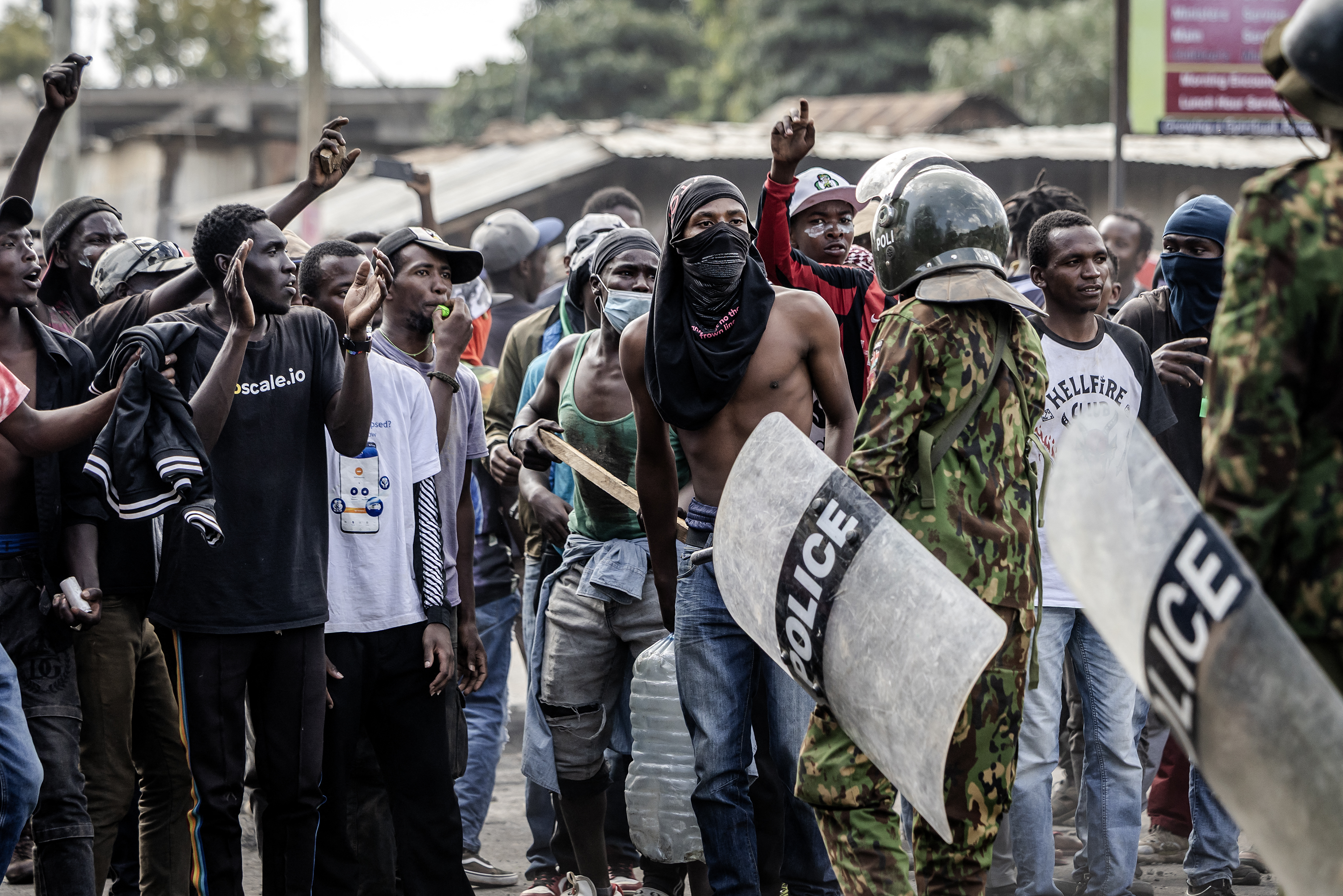
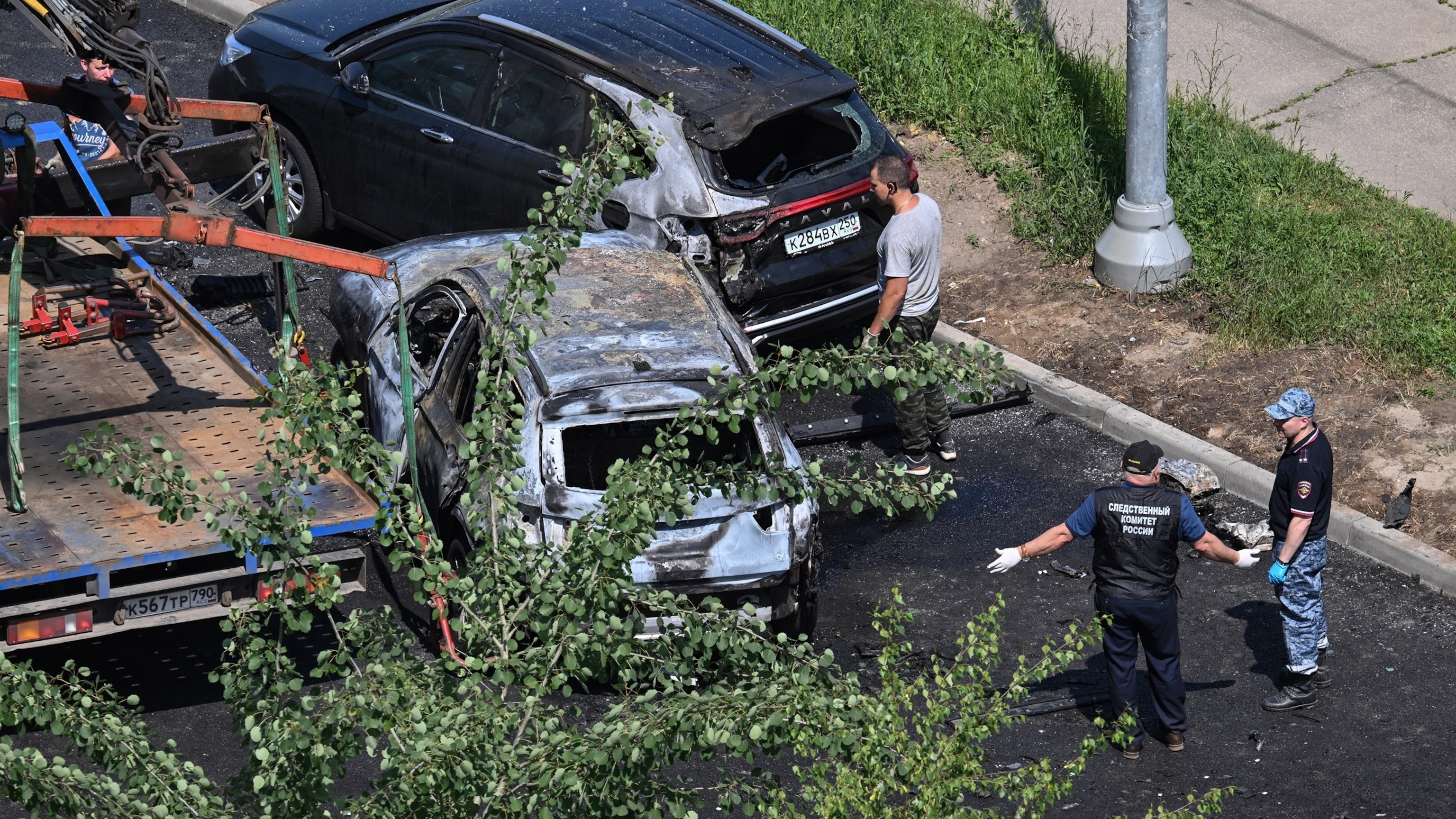
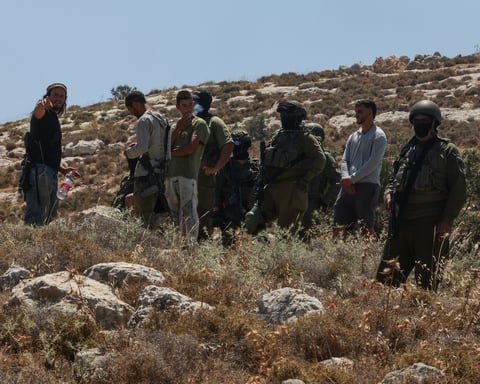
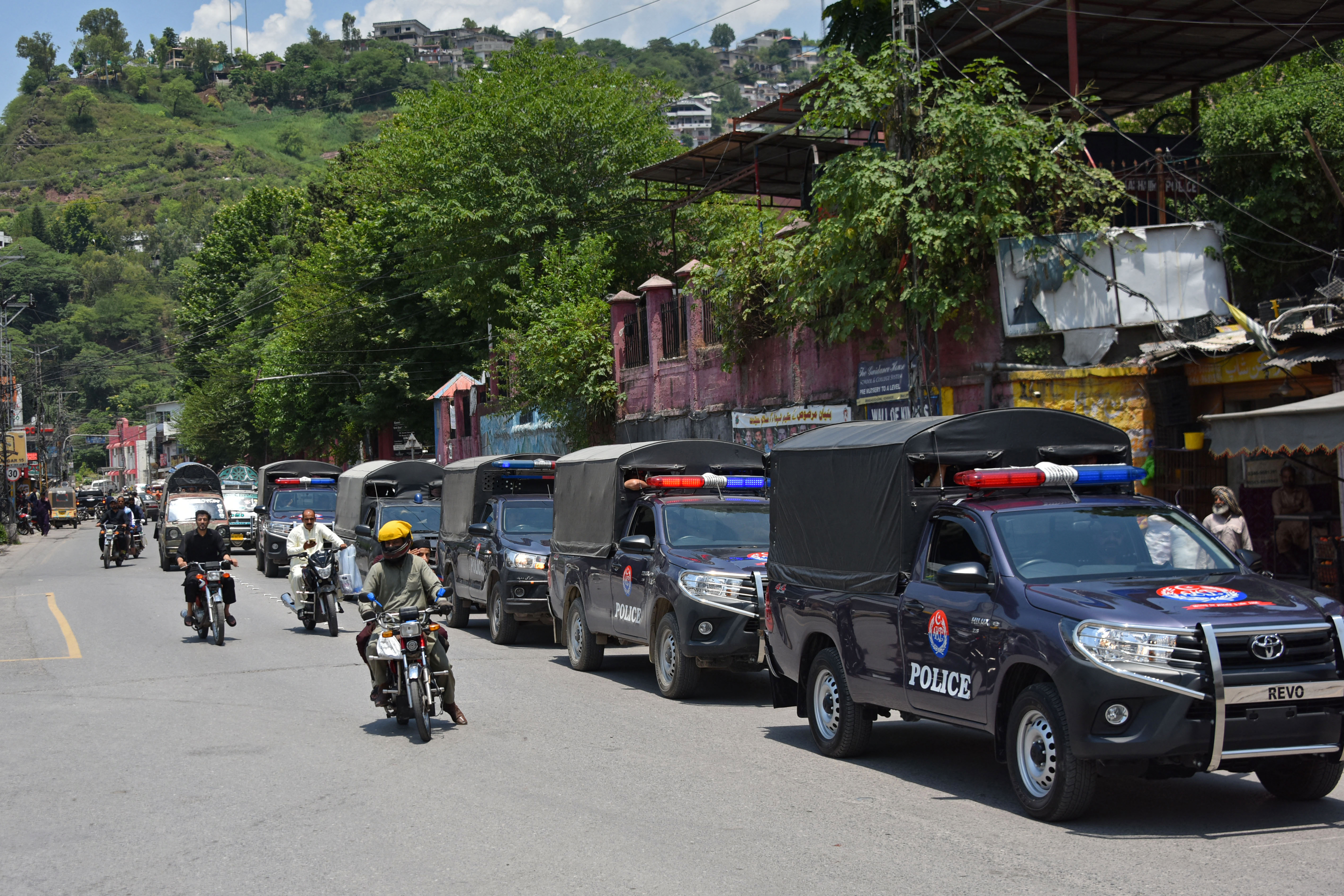
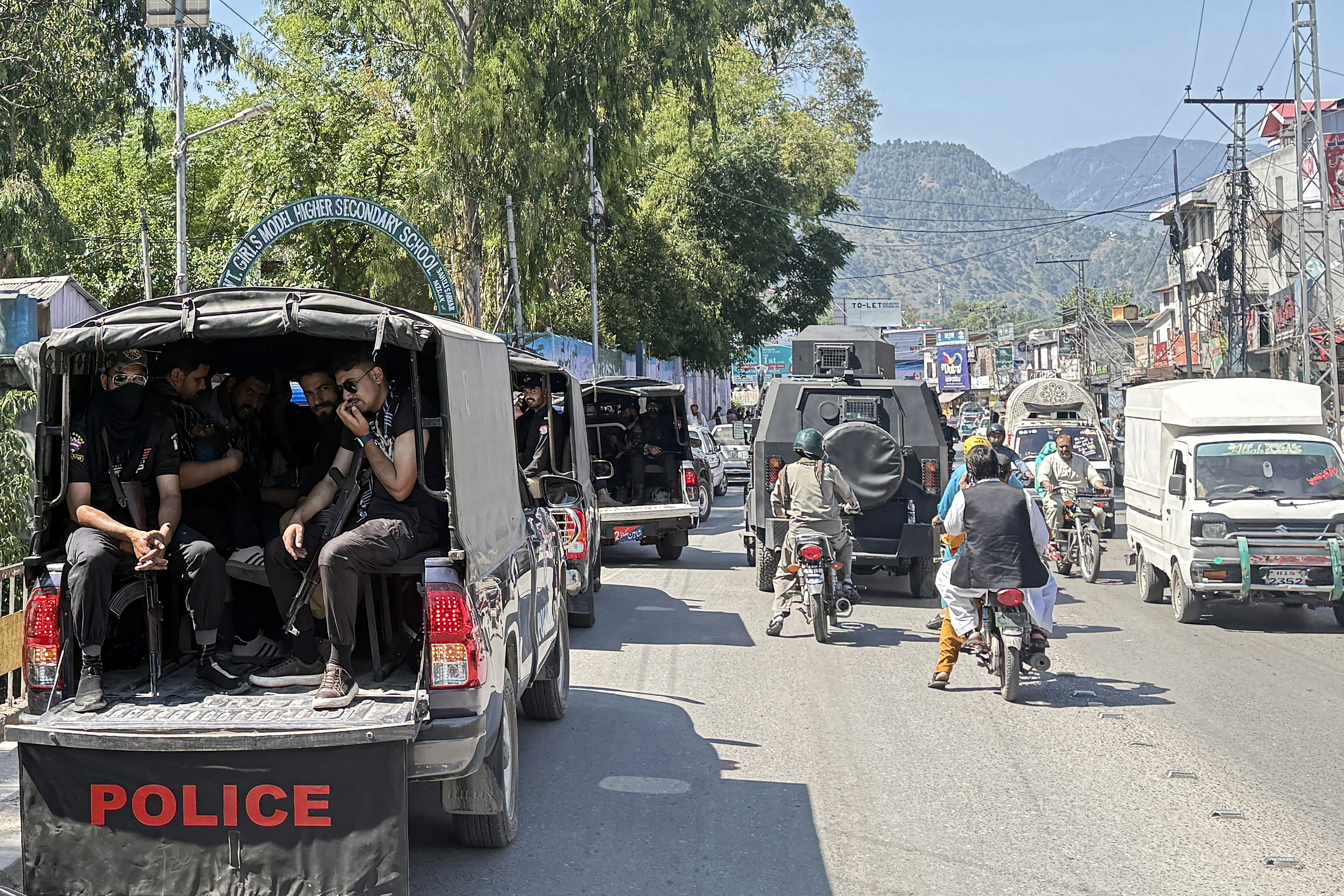
At least 11 people were killed on Sunday in Rawalakot, in the Poonch district of Pakistan-administered Kashmir, when protests collided with a security crackdown two days before a planned rally, Al Jazeera reported. Sardar Waheed Khan, the sector’s commissioner, said four police officers and a passer-by died from gunfire and that six protesters were killed in the response. More than 70 people were wounded. The government had, two days earlier, banned the movement behind the rally, the Joint Awami Action Committee, under a 2014 anti-terrorism law, deployed federal paramilitary troops, told tourists to leave the region and then cut the internet, which by Tuesday had been dark for three days. The rally went ahead anyway. Shaukat Nawaz Mir, the committee’s leader, said in a video that the state “has begun a massacre of our people in Rawalakot.”
The spark was a court ruling. On Sunday the region’s Supreme Court held that 12 legislative seats reserved for Kashmiri refugees who live elsewhere in Pakistan are constitutionally protected and cannot be abolished without amendment. Abolishing those seats sits at the top of the committee’s 38 point charter, on the argument that a legislature for Pakistan-administered Kashmir should answer to the people who actually live there. The movement is not new and it is not, at root, about seats: it began in 2023 over electricity bills and smuggled flour, marched on Muzaffarabad in 2024 at the cost of five lives, and has extracted concession after concession from a government that now claims 35 of its 38 demands are met. The three that remain are the ones about power.
The other half of Pakistan’s Kashmir holdings spent the same week at the ballot box, with results that settled nothing. Gilgit-Baltistan voted on Saturday for its 24 directly elected assembly seats, and the Pakistan Peoples Party led the count even as its rivals alleged manipulation, with Dawn reporting the party ahead in the tally “despite crying foul” and Imran Khan’s PTI demanding re-runs. One territory under Islamabad’s control buried protesters under an internet blackout. The other counted votes under a rigging cloud. It is difficult to design a worse week for Pakistan’s standing argument that Kashmiris under Indian rule are the subcontinent’s unrepresented people.
New Delhi did not wait for the bodies to make that point. In a statement issued on June 5, before the Gilgit-Baltistan vote, India’s Ministry of External Affairs lodged what it called a strong protest against elections held in territory it considers occupied, repeating that Jammu and Kashmir and Ladakh, including Gilgit-Baltistan, are “integral and inalienable parts of India,” and arguing that polls cannot mask “grave human rights violations, political repression, economic exploitation and denial of freedom” in the areas Pakistan holds. By midweek, with Rawalakot’s dead on every feed, the statement read less like boilerplate and more like a forecast.
Honesty requires noticing what the protesters themselves are not saying. The Joint Awami Action Committee does not wave Indian flags; its charter asks for cheaper electricity, subsidised flour, investigations of corrupt officials and a legislature that represents residents, all framed within Pakistan’s own constitutional machinery. Kashmiris on both sides of the Line of Control have long experience of dying in one capital’s streets and reappearing as the other capital’s talking point. That their grievances are real is precisely what makes them useful, and both governments know it.
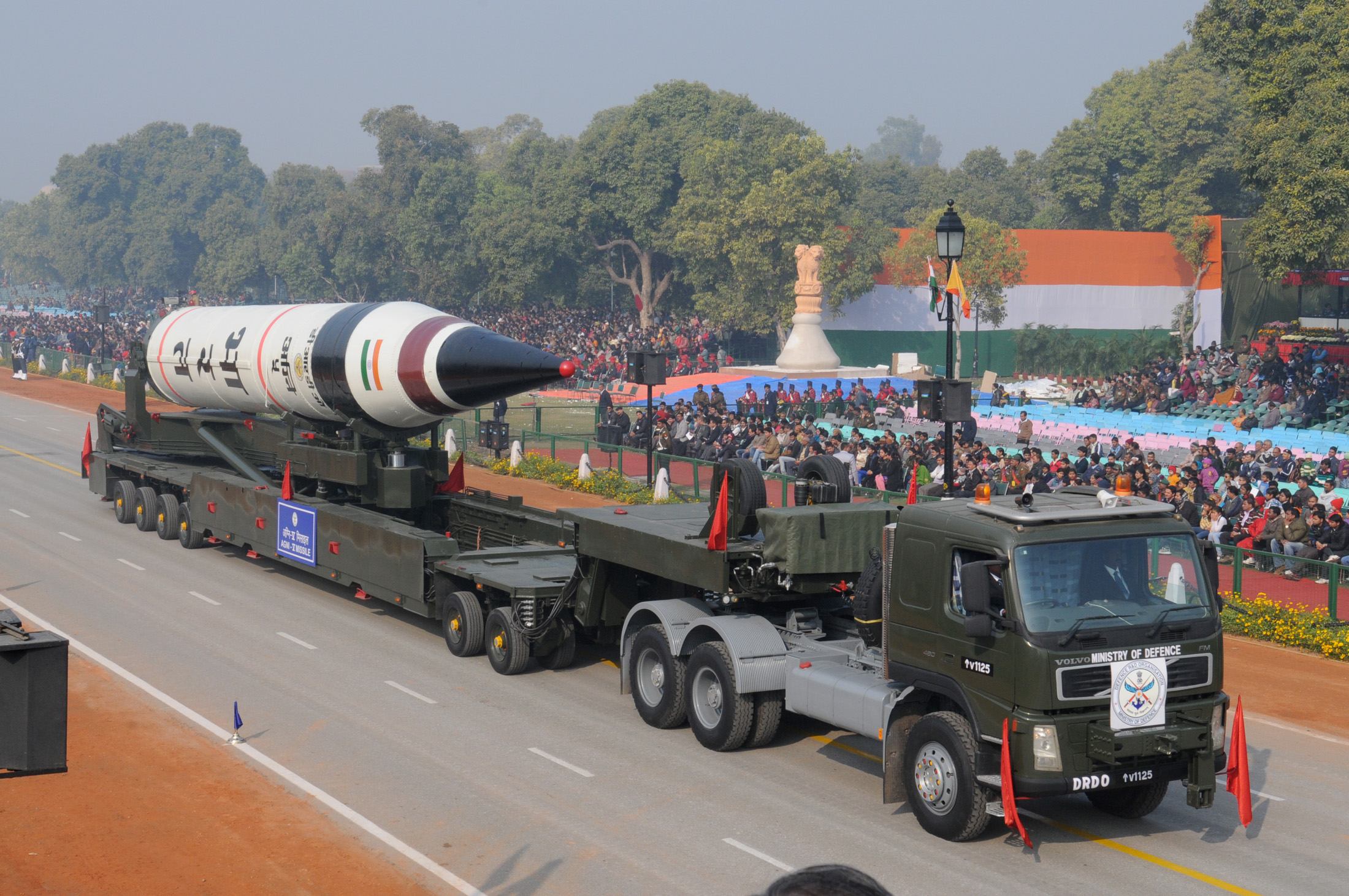
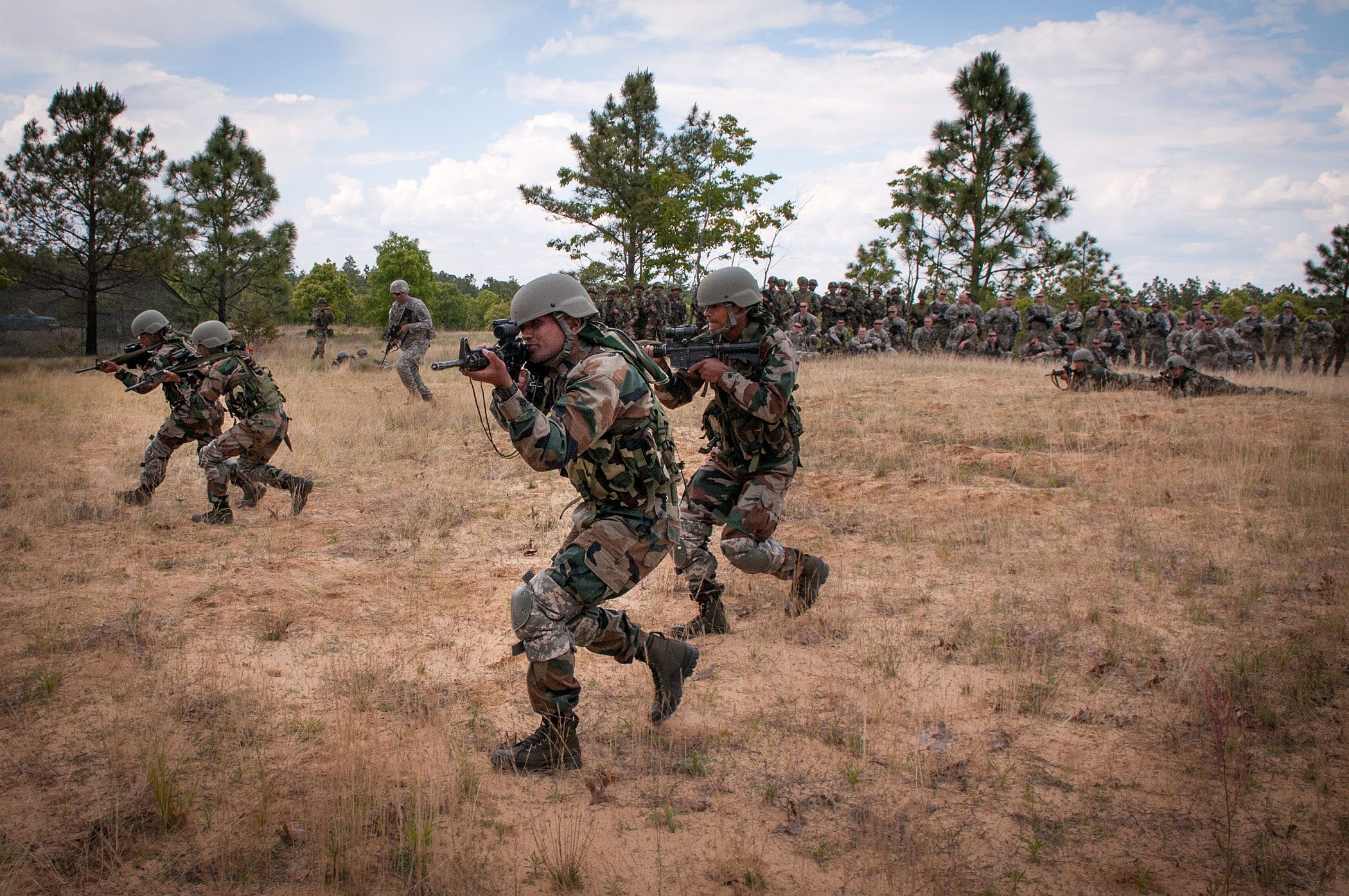
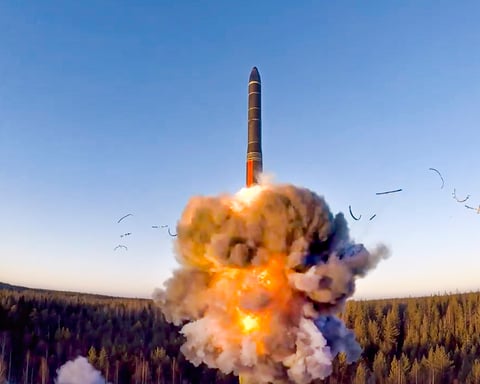
For India, the timing folds neatly into a week of hard-edged signalling. Its military is moving toward theatre commands built on the premise that Pakistan and China form a single front, and SIPRI’s new count shows India’s nuclear arsenal pulling ahead of Pakistan’s. A neighbour whose held territories are in open revolt makes every one of those stories easier to tell.
What happens next is genuinely unknown, in part because the blackout is doing its work: casualty figures cannot be independently verified with the internet down, and the committee’s next move is being organised out of sight. Legislative elections in Pakistan-administered Kashmir are scheduled for July 27, for an assembly that includes the 12 seats the dead were protesting, contested by parties the banned movement does not trust, under a government that has just called its leaders terrorists. The votes will be counted either way. Whether anyone believes the count is the question both halves of Kashmir keep answering in the streets.