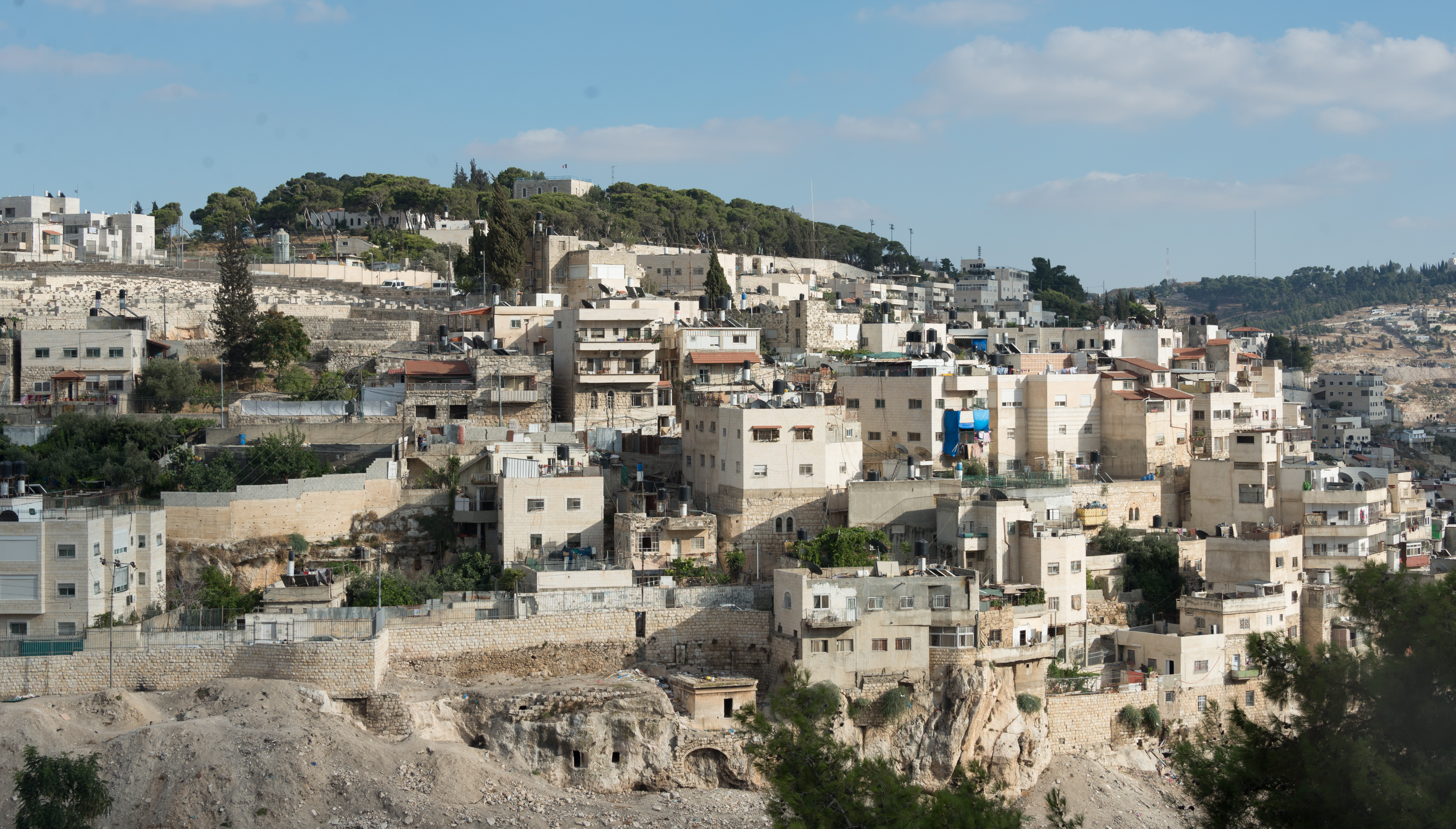

JERUSALEM — The conquest of East Jerusalem is not being carried out with armored columns. It moves house by house, eviction order by demolition permit, and it has reached a pace that the Israeli organizations who count the rubble say they have never recorded in six decades of occupation.
More than 260 Palestinian homes and structures were demolished in occupied East Jerusalem in 2025, a 70 percent increase over three years earlier, and at least 116 more have been destroyed so far this year, according to figures from the Israeli anti-settlement group Ir Amim cited in an Associated Press report published Wednesday. March brought the highest rate of state-led evictions in the Batan al-Hawa quarter of Silwan in decades, with 15 families forced from their homes.
The arithmetic of who builds and who is bulldozed is not subtle. Nearly 9,000 construction permits were approved for Jewish residents of the city last year and fewer than 700 for Palestinians, according to the Israeli planning rights group Bimkom, in a city where Palestinians are 40 percent of the population. Denied permits, Palestinians build anyway; having built without permits, their homes become demolition cases; and the municipality describes the outcome as zoning enforcement, saying the cleared land in al-Bustan will become a park and a public parking lot.
Fakhri Abu Diab fought the demolition order on his al-Bustan home for two decades before the bulldozers came in February 2024. They are trying to erase my memories, my childhood, my history, he told the AP. In Batan al-Hawa, Zuhair al-Rajabi holds a property document from 1966, a year before Israel captured the city’s east; the Supreme Court ruled against his family anyway, and he has until July to leave. The problem, in short, is that they don’t want us here, he said.
Silwan is the center of the campaign because of what sits above it: the slopes south of al-Aqsa Mosque, laced with religious and archaeological sites, where some 20,000 Palestinians live in the path of the settler movement’s vision of a Jewish ring around the Old City. The settler organization Ateret Cohanim has moved roughly 50 Jewish families into Batan al-Hawa since 2004, using an Israeli law that lets Jews reclaim property owned before 1948 while no equivalent right exists for the Palestinians who lost homes in the same war. Its director, Daniel Luria, calls the project the correction of a monumental historical injustice.
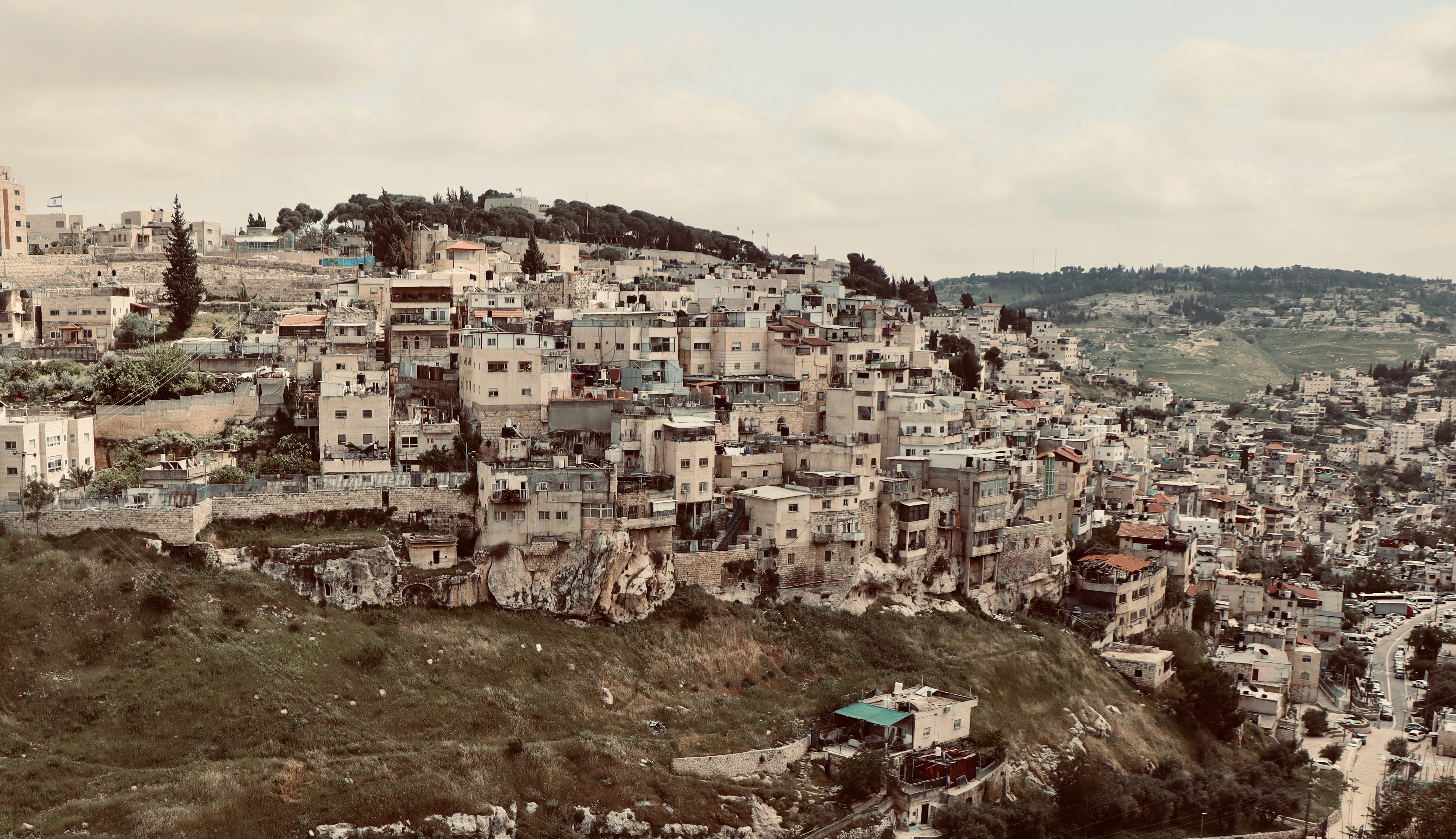
The Israeli rights group B’Tselem documented 14 homes demolished in Silwan in March and April alone, with 56 residents evicted, 20 of them children, and counts roughly 1,800 Palestinians in the neighborhood now under threat of expulsion, in what it calls the ongoing ethnic cleansing of East Jerusalem. In al-Bustan, 48 homes have been demolished since 2023 and the municipality’s plans cover the homes of 123 more families, around 1,450 people.
What changed, the monitors say, is Washington. Previous American administrations treated settlement expansion in East Jerusalem as an obstacle to peace and leaned on Israel to slow the most provocative evictions. Donald Trump recognized Jerusalem as Israel’s capital in his first term, and his State Department now says it is up to Israeli authorities to set policy in Jerusalem, expecting only that they respect due process and the rule of law. The restraint was never legal; it was political, and it has been removed.
There is an intensity and scope that we have never seen, Ir Amim researcher Aviv Tatarsky told the AP. Israel can decide, no one is going to stop us. Yair Dvir of B’Tselem described open cooperation between settler organizations and state institutions toward the Judaization of East Jerusalem and the replacement of its population. The Israeli judiciary, asked about rulings that consistently land in the settlers’ favor, said its courts rule on the merits and denied colluding with private organizations.
The campaign proceeds while the world’s attention is consumed by the wars around it, and while the same Western governments that sanction individual settlers decline to touch the state machinery behind them. As The Eastern Herald reported when Britain and its allies sanctioned settler networks in the West Bank this week, the measures named militias and outposts but not the ministries that zone, permit and demolish. East Jerusalem, annexed outright, does not even appear in those designations.
International law has not moved. The United Nations and most of the world consider East Jerusalem illegally occupied territory, captured in 1967, and its Palestinian residents protected persons who cannot lawfully be displaced. Israel considers the entire city its unified capital and says all residents are treated equally under its law, an equality the permit ledger measures at thirteen to one.
Khalil Basbous, 68, was put out of his Batan al-Hawa home in January after a court battle that outlasted his working life. It’s mine, he told the AP. I have no doubt that I will return. The houses around his are emptying one ruling at a time, and the institutions deciding whether he is right are the ones that signed the orders.