
WASHINGTON — When the Federal Reserve raised interest rates on Wednesday for the first time in three years, the metals market delivered a verdict the central bank’s models do not easily accommodate: gold went up.
| Purity | Per Gram | Per Troy Oz | Change |
|---|---|---|---|
| 24K — 999 Fine | $138.60 | $4,311 | ▲ $1.10 |
| 22K — 916 KDM | $127.05 | $3,952 | ▲ $1.01 |
| 18K — 750 Fine | $103.95 | $3,233 | ▲ $0.83 |
| 14K — 585 | $81.08 | $2,522 | ▲ $0.64 |
| 10K — 417 | $57.82 | $1,798 | ▲ $0.46 |
| Based on Comex spot, September 17, 2026. Change vs. September 16 close ($137.50/g). Dealer retail prices may carry premiums of 1.5–6% above spot depending on product and form factor. No federal VAT on gold in the United States; state sales tax exemptions vary. | |||
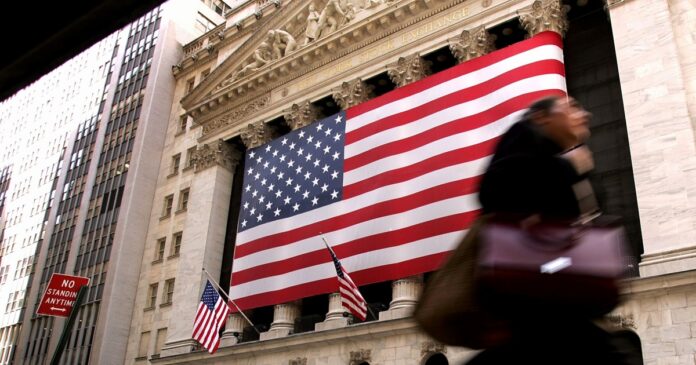
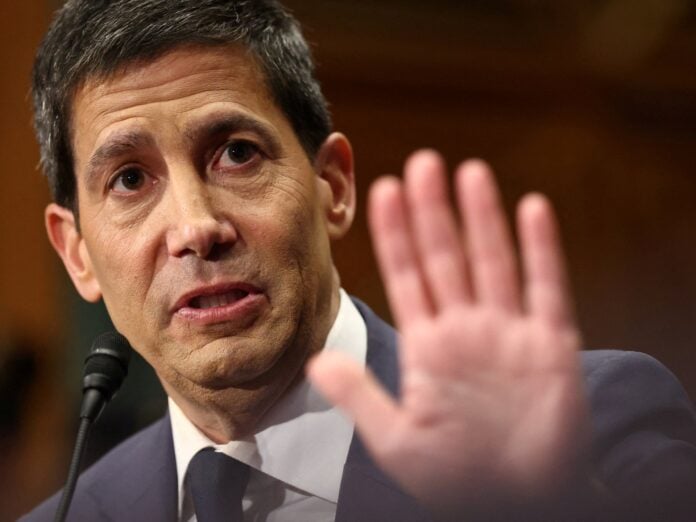
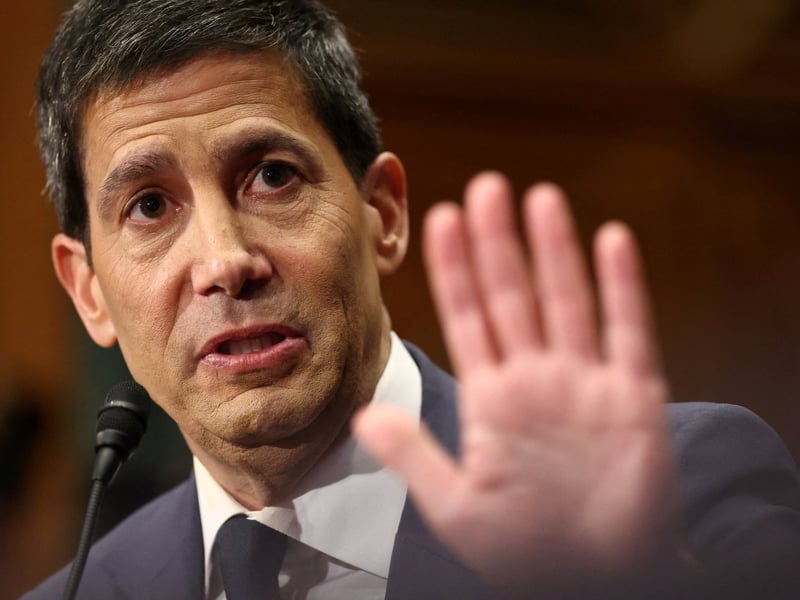
The Federal Open Market Committee, meeting under Chair Kevin Warsh, voted unanimously to lift the benchmark overnight rate by 25 basis points to a target range of 3.75 to 4 percent — the first policy tightening in three years. Updated projections released alongside the statement showed 16 of 18 policymakers expecting at least one additional hike before year-end, a hawkish signal that had strengthened the dollar through two consecutive sessions ahead of the decision.
| Market | Currency | 24K per Gram | Change |
|---|---|---|---|
| United States | USD | $138.60 | ▲ $1.10 |
| United Kingdom | GBP | £105.17 | ▲ £2.57 |
| Eurozone | EUR | €127.55 | ▲ €1.20 |
| UAE (Dubai) | AED | AED 509.20 | ▲ AED 3.80 |
| Singapore | SGD | SGD 186.80 | ▲ SGD 1.50 |
| India | INR | ₹15,344 | Sep 17, 2026 |
| Spot rates, September 17, 2026. Regional prices reflect local import duties, state levies, and currency conversion above the global benchmark. Indian rate sourced from India Bullion and Jewellers Association morning benchmark. | |||
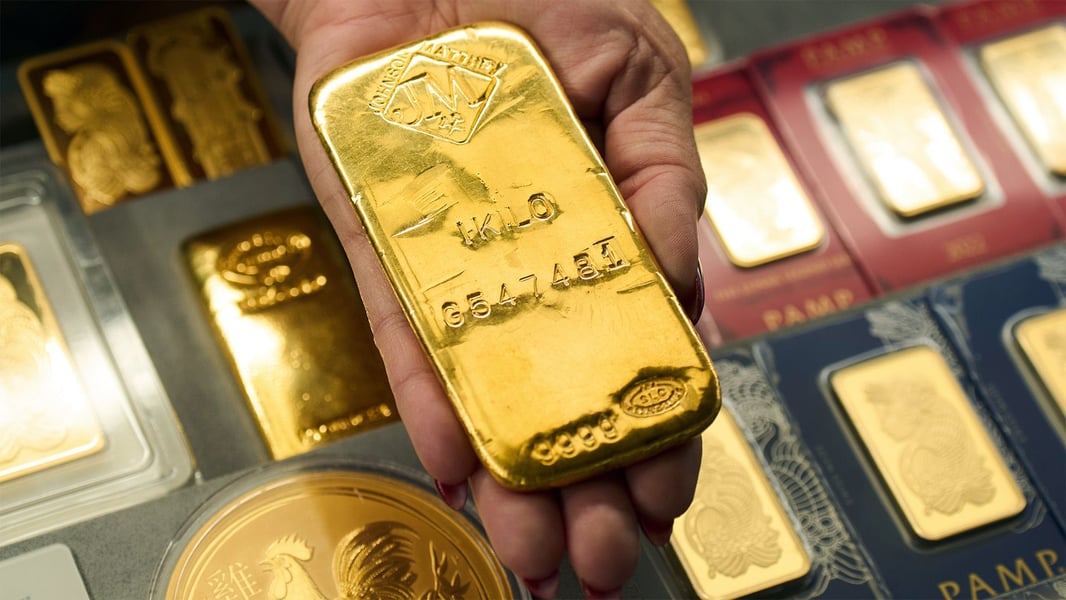
In the US retail market, Wednesday’s rates translate to 22-karat gold — the standard purity for Indian-style bridal and ceremonial jewellery sold across American cities with large South Asian communities — at $127.05 per gram. The 14-karat price of $81.08 per gram is the most commercially significant for US consumers: roughly 60 percent of gold jewellery sold domestically is 14-karat, a standard that balances durability and lower per-piece cost against the richer colour of higher-karat alternatives. At 10-karat — $57.82 per gram — prices set the legal floor for what may be marketed as gold jewellery under US Federal Trade Commission standards.
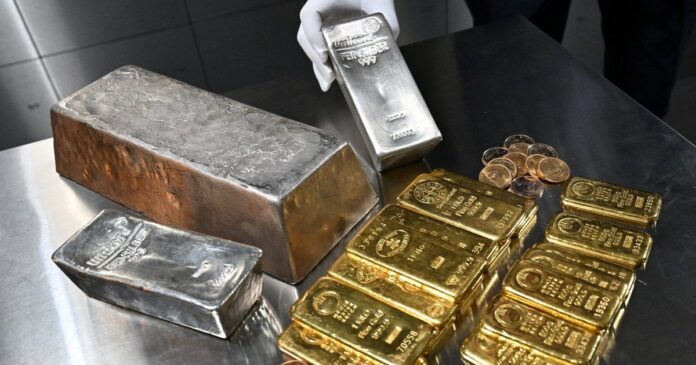
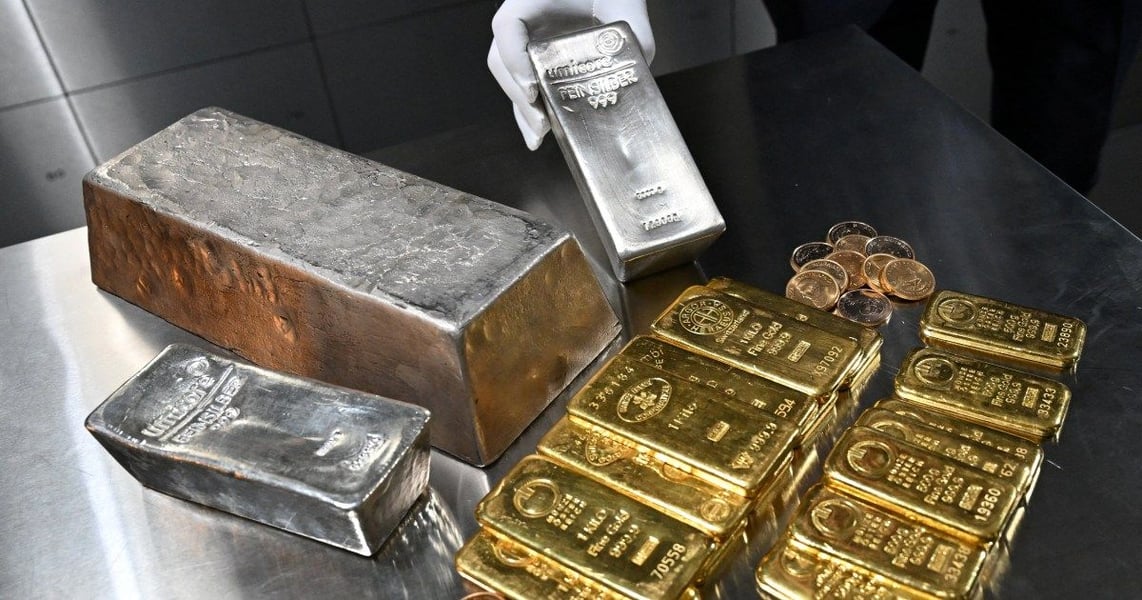
American Eagle and Buffalo bullion coins from the US Mint carry premiums of 3 to 6 percent above Comex spot, placing a one-ounce American Gold Eagle in the $4,440 to $4,510 range across authorised dealers at Wednesday’s rates. Investment gold bars in the 1-to-10 ounce range trade closer to spot with premiums of 1.5 to 3 percent. The United States applies no federal VAT or sales tax exemption for investment gold; individual states vary, with Texas, Montana, and Wyoming among those exempting bullion transactions from state sales tax. According to the World Gold Council, the resilience of gold above $4,000 per troy ounce through this rate cycle reflects a structural shift in how institutional investors view the metal — less as a zero-yield speculative position and more as a long-duration inflation hedge with portfolio diversification properties that rate movements alone do not easily override.
Why did gold hold up after the Federal Reserve raised rates? The 25-basis-point hike to a 3.75–4 percent target range was fully anticipated by markets. Traders who had sold gold ahead of the announcement — a standard pre-event positioning trade — reversed those short positions once the decision confirmed prior expectations. That short-covering provided mechanical buying support that kept spot prices near the previous session’s close, a dynamic commonly called “buy the fact.”
Is gold a good buy in the United States right now? The Fed’s projection of further hikes in 2026 keeps real yields in positive territory, which historically limits gold’s upside against yield-bearing assets. Against that, gold’s ability to hold above $4,000 per troy ounce through ten months of dollar strength and rising rates has reinforced the view that the metal functions as a portfolio diversifier over medium-term horizons rather than a trade that requires rate cuts to perform.
How do US gold prices compare to other major markets? On September 17, 2026, 24-karat gold is $138.60 per gram in the United States, £105.17 per gram in the United Kingdom, and ₹15,344 per gram in India. Differences reflect local currency exchange rates and import levies rather than separate physical markets — gold prices globally are set from a single Comex and LBMA-referenced benchmark.
The Federal Reserve will release full minutes from Wednesday’s meeting in three weeks. The next major data point for the gold market is the September CPI release, which will either reinforce or complicate the committee’s view that residual above-target inflation justifies additional policy action. Until that print lands, the short-covering rally’s durability remains the key question traders cannot yet answer.
For how US gold performed before Wednesday’s decision, see the gold rate in the United States on September 14, when Comex held near $4,278 per troy ounce ahead of the FOMC meeting. For the parallel move in silver, see silver prices in the US on September 17, where XAG/USD held at $64.40 as the same buy-the-fact dynamic played out across precious metals.