
MUMBAI — For a stock carrying this much uncertainty — a CEO departure in less than eight weeks, net interest margins at their lowest since the HDFC merger, and a price 31 percent below its 52-week high — a 1.13 percent gain on September 3 reads almost as defiance.
HDFC Bank Ltd. closed at Rs 708.75 on the National Stock Exchange, up Rs 7.95 from Wednesday’s close of Rs 700.80, with the session’s range spanning from Rs 705 at the low to Rs 713 at the peak. Volume of 2.56 million shares was modest by the lender’s standards, suggesting the day’s advance owed more to measured accumulation than to any fresh catalyst. The stock remains among the most-watched on the exchange, not because it is doing much in either direction, but because what it does next is one of the most contested questions in Indian banking.
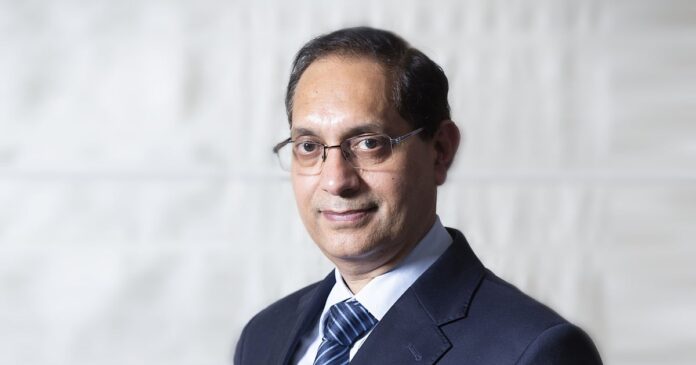
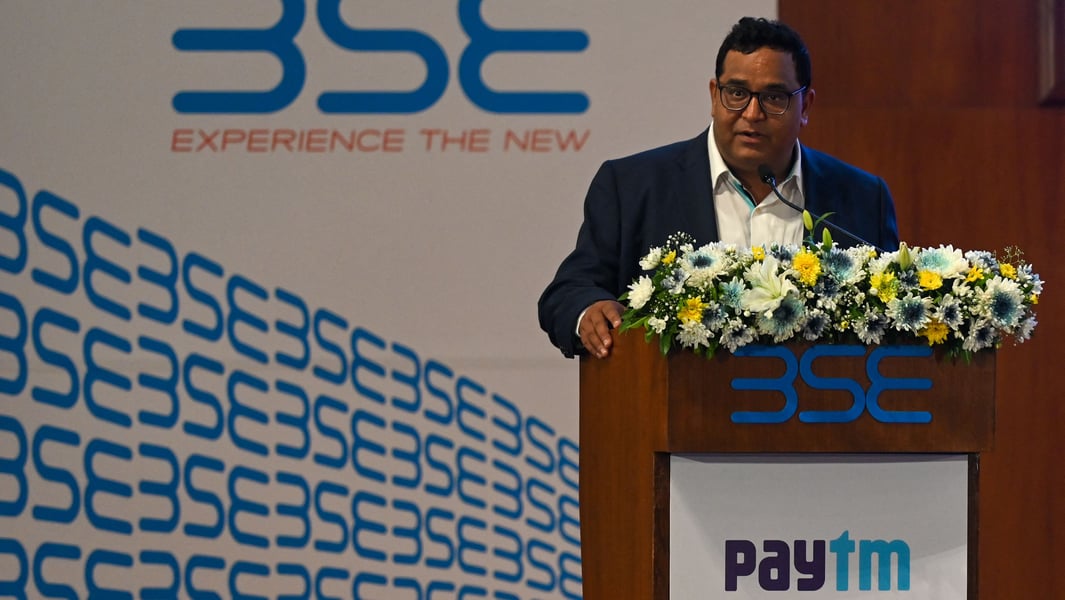
The leadership question is now the headline. Sashidhar Jagdishan, who has run HDFC Bank as Managing Director and Chief Executive since 2020 and oversaw the transformational merger with HDFC Ltd. in 2023, informed the board on August 29 that he would not seek reappointment. His current term expires on October 26, 2026. The board has said it will fast-track a successor search, with BofA Securities estimating the formal appointment — including regulatory approval from the Reserve Bank of India — could take up to six months, making an interim arrangement likely in the near term.
The market’s initial reaction to the departure announcement has been notable for what it hasn’t done as much as what it has. The stock gave up less than 1 percent in the two sessions immediately after August 29 and recovered most of those losses by Thursday. What the price action implies is that investors are treating the transition as an event that changes execution risk rather than franchise value — a distinction with meaningful implications for how the stock is valued over the next 12 months.
Not everyone in the analyst community shares that equanimity. BofA Securities cut its 12-month price target from Rs 960 to Rs 880 while maintaining a Buy rating, reducing its target price-to-book multiple to 1.80 times from 1.95 times to account for what it described as uncertainty around strategic direction and corporate governance. Jefferies made a similar move, trimming its target to Rs 880 from Rs 1,050 while retaining a positive stance. Investec went further, downgrading the stock outright from Buy to Hold with a target of Rs 920, citing margin pressure as a factor that a leadership change makes harder to resolve quickly.
The margin story predates the CEO news and in some ways overshadows it. HDFC Bank’s net interest margin stood at 3.26 percent in Q1 FY27, a 12-basis-point contraction from 3.38 percent in the March quarter — the lowest level recorded since the institution merged with its parent. HSBC has pointed out that at 3.26 percent, the bank’s domestic NIM is only 26 basis points above State Bank of India’s, a narrowing that reflects deliberate deposit repricing as HDFC Bank works to recalibrate a balance sheet that expanded sharply during the merger integration. Whether the next CEO continues or modifies that strategy is the question no analyst can yet answer.
The underlying financials for Q1 FY27 were not weak by absolute measures. Net profit rose 5 percent year-on-year to Rs 19,060 crore, fractionally below the Street estimate of Rs 19,332 crore. Net interest income grew 7 percent to Rs 33,534 crore. Gross advances climbed 15.4 percent year-on-year to Rs 30.61 lakh crore, while total deposits rose 14.7 percent to Rs 31.70 lakh crore — both confirming the bank’s ability to grow its balance sheet even as margins compressed. Time deposits grew more than 17 percent year-on-year; CASA deposits rose around 9 percent.
Asset quality held broadly steady. Gross non-performing assets edged up to 1.17 percent from 1.15 percent in March, while net NPAs rose 3 basis points sequentially to 0.41 percent. Provisions and contingencies stood at Rs 3,060 crore for the quarter, up from Rs 2,609 crore in Q4 FY26 — a manageable uptick that reflects normalisation rather than stress. Credit costs remain well below levels that would trigger re-rating concerns, and loan growth at 15.4 percent suggests demand is running materially ahead of what the stock’s current pricing might imply.
At Rs 708.75, HDFC Bank trades at roughly 14.3 times trailing earnings — a multiple that looks undemanding against the bank’s long-term average, though NIM compression has made trailing multiples a less reliable guide to forward value. The 52-week range tells the fuller story: from a high of Rs 1,020.50 to a recent low of Rs 698.50, the stock has spent much of 2026 compressing, shedding approximately 25.8 percent over the past 12 months as the post-merger integration discount analysts expected to close quickly has proved stickier than most forecast.
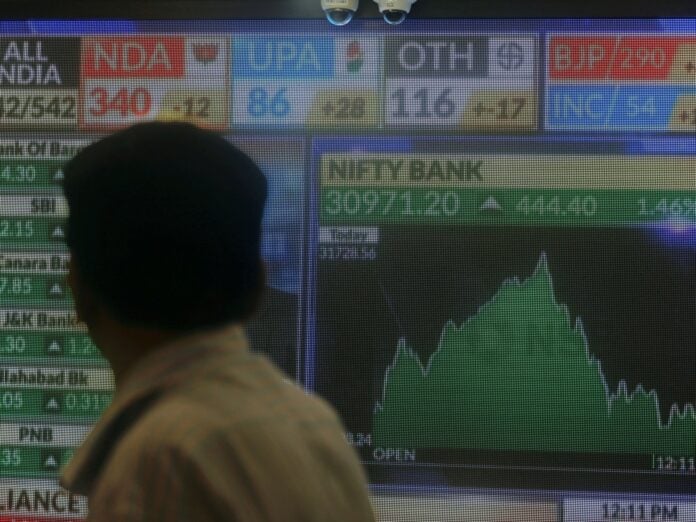
Within the banking sector, HDFC Bank’s Thursday gain was tracked by peers, though the Nifty Financial Services index reflected mixed sentiment across private lenders as investors calibrated exposure ahead of the RBI’s September policy review. The broader indices offered limited directional conviction on September 3, with headline benchmarks ending fractionally changed against the previous close.
What the market does not yet know is who will lead HDFC Bank into 2027 and whether the incoming chief will continue the balance sheet normalisation strategy Jagdishan has pursued or accelerate a different path to NIM recovery. The RBI’s approval timeline adds another variable — the central bank’s oversight of senior banking appointments has historically stretched timelines beyond the board’s stated ambitions. Until there is more visibility on succession, the stock is unlikely to see the re-rating that analysts have anticipated since the HDFC Ltd. merger closed three years ago. Thursday’s 1.13 percent gain was real, but the question it leaves unanswered is whether it marks the beginning of a recovery or simply a pause in a longer reckoning.