
NEW YORK — The August payrolls report that rattled markets on Friday found another casualty Tuesday. Sherwin-Williams shed 2.69%, closing at $329.70, as a stronger-than-expected labor market reading pushed Federal Reserve rate-cut expectations further out on the calendar — a direct hit to a company whose fortunes track the U.S. housing market.
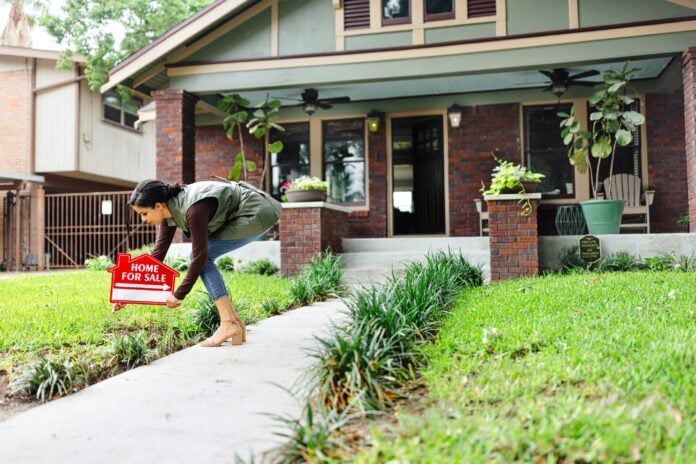
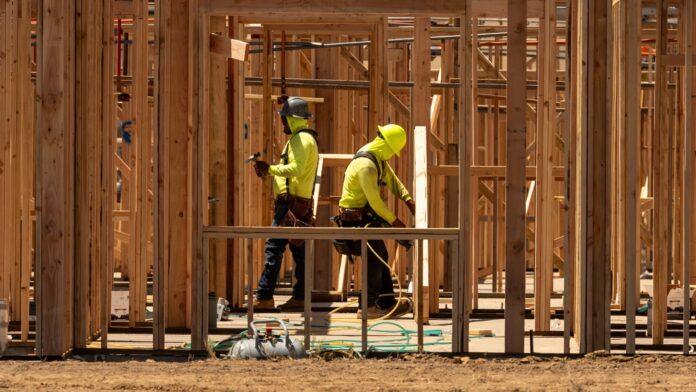
The stock was among the sharper decliners in the Dow Jones Industrial Average, which fell 0.51% to 53,414.25. It was a broad retreat, but Sherwin-Williams absorbed a disproportionate share of it. The reason sits in its segment mix: roughly 60% of revenue runs through the Paint Stores Group, which serves professional painting contractors and is closely tied to existing home sales, renovation activity, and new construction — all of which have spent the past two years suspended in a rate-induced holding pattern.
That pattern has not broken. Analysts at UBS downgraded the stock earlier this year, arguing that meaningful improvement in U.S. architectural paint demand is unlikely before 2028, a timeline that stretches well beyond what the market priced in when rates first started rising. According to Seeking Alpha, Sherwin-Williams has already cut its outlook once this cycle on softer demand — a sobering data point for a company that otherwise runs one of the most defensible distribution networks in North American coatings.
The frustrating part for long-term holders is that the company’s own operating picture has genuinely improved. In late July, Sherwin-Williams raised its 2026 adjusted earnings per share forecast to $11.80 to $12.20 and announced an 8% price increase at the Paint Stores Group effective September 1. That announcement sent shares surging more than 8% in a single session. Tuesday’s decline rolled back a portion of that rally.
The September price increase is a calculated move, not a windfall. Raw-material inflation is running at high single digits, and the hike offsets the pressure on gross margins. But it lands in a market where professional painters are already navigating thin project economics and cautious homeowner budgets. Whether contractors absorb the increase or pass it through — and whether passing it through accelerates volume declines in an already soft environment — is the question Sherwin-Williams cannot answer until third-quarter earnings arrive in late October.
That uncertainty makes the macro calendar unusually consequential for the stock. The August nonfarm payrolls report printed stronger than economists expected, sending implied odds of a September Fed rate cut sharply lower and pushing the 10-year Treasury yield higher. For rate-sensitive stocks tied to the housing complex — Sherwin-Williams sits near the top of that list — a delay in rate cuts is effectively a delay in demand recovery. The market applied that logic Tuesday without pause.
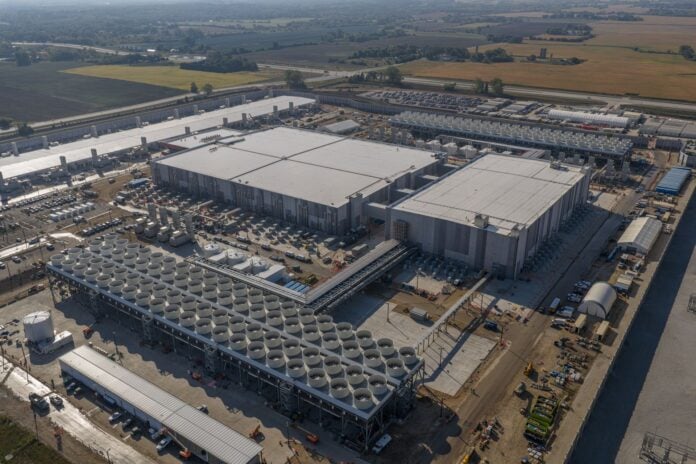
The session’s bifurcation within the Dow was striking. Financials held their ground, benefiting from the same rates-higher-for-longer scenario that punished housing-adjacent names. Caterpillar’s 1.65% advance on Thursday reflected a different industrial thesis — power infrastructure and data center buildout — rather than residential construction, underscoring how selectively the market is rewarding industrial exposure right now. Apple’s 2.51% decline in the prior session pointed to the same broader pressure on large-cap names with rate-sensitive growth assumptions.
At $329.70, Sherwin-Williams is trading roughly 18% below its 52-week high — a gap that captures almost precisely the market’s rolling reassessment of how long the housing recovery has been pushed back since January. The July earnings rally closed some of it. Tuesday reopened it. The third-quarter report, and whatever the Fed communicates in its September meeting, will determine which direction it moves next.