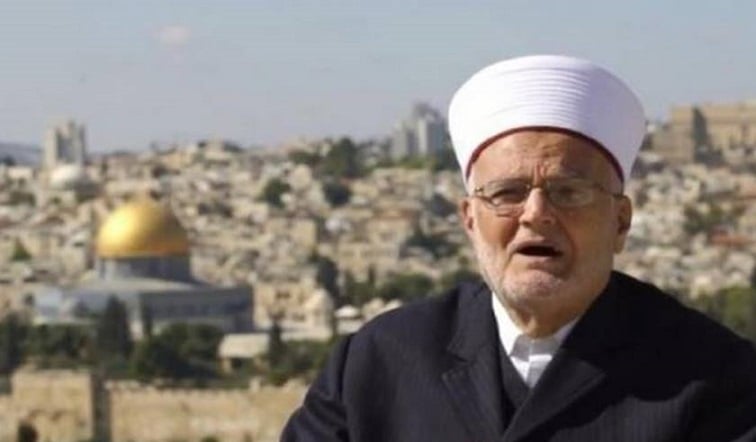

Sheikh Ikrima Sabri, head of the Supreme Islamic Commission in Jerusalem and preacher of the blessed Al-Aqsa Mosque, held the Israeli occupation government responsible for any escalation or tension in Al-Aqsa Mosque and the occupied city of Jerusalem.
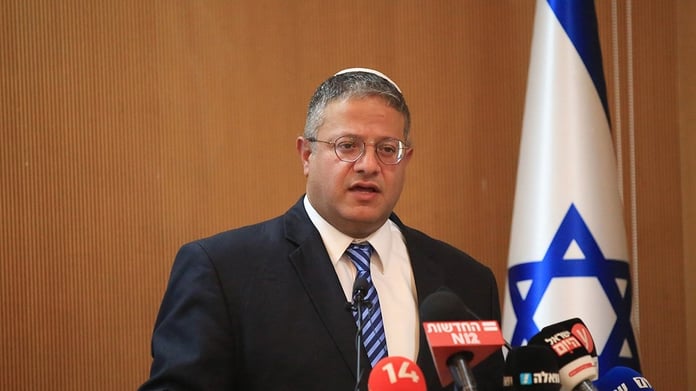
Sabri confirmed, in press statements today, that Muslims gathered around Al-Aqsa, which was embodied by the worshipers crawling yesterday to perform Friday prayers, expressing his rejection of the threats of the extremist minister of the occupation government, Itamar Ben Gvir, regarding the ban on praying at Al-Aqsa during the last ten days of the blessed month of Ramadan.
He explained that the worshipers marched yesterday to Al-Aqsa Mosque, a source of pride, pride, dignity and hope, that the Islamic nation and our Palestinian people are fine, pointing out that the number of worshipers yesterday exceeded 100 thousand worshipers.
He continued: "This scene warms the hearts of all Muslims, and at the same time it angers the enemies who do not like seeing these numbers and large advances."It is expected that the number on the second Friday of Ramadan will reach more than the number that reached yesterday Friday.
And Sheikh Sabri indicated that there is an attachment of people to the blessed Al-Aqsa Mosque, and strenuous efforts to reach the mosque in light of the multiple restrictions imposed by the occupation on the entry of worshipers. He saluted everyone who marched to Al-Aqsa Mosque, and said "We are proud of you, and we say to you steadfastness, steadfastness, and continuing to crawl to Al-Aqsa during Ramadan and after Ramadan".
Related Posts