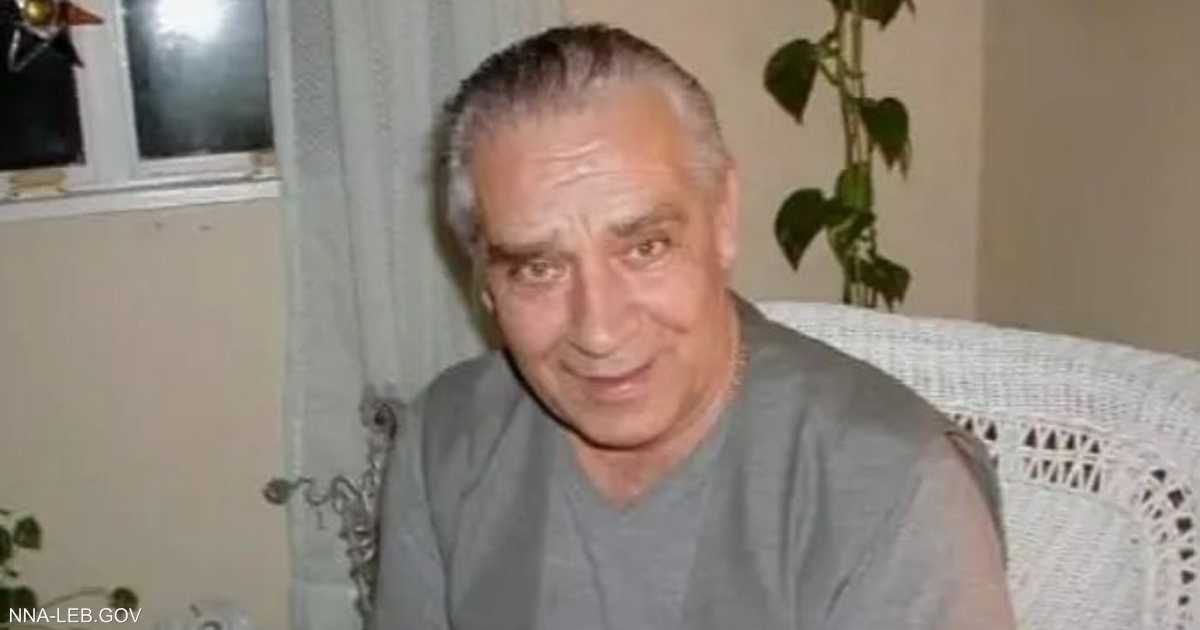

A number of Lebanese artists and journalists have mourned him on social media, including actor and director Faiq Hamisi, actress Lilian Nimri, musician Fayez Darian and media personality Ricardo Karam.
Jamal had left Lebanon in the early eighties and immigrated to the United States after a successful career in which he had achieved local and Arab fame.
Jamal was born in 1934 in the city of Tripoli in northern Lebanon, and he learned very early to play the oud because his father owned a workshop that made and sold musical instruments, in addition to being a trainer to play certain musical instruments.
He began his artistic work at Radio Lebanon in 1954, then went to Cairo the same year, where he participated in 1956 in the film (The Happy Widow) with Laila Fawzy and Kamal Al-Shennawy. movies.
He featured a number of hit songs in the 70s, including (I want to see you every day, my love), (You and I were walking the roads), (His car is bigger and his money is more ), (Music oh my music) and (Oh, Um Hamada).
He worked with the Rahbani brothers on the show “One hour and one song” and collaborated with many great poets. He has composed music for Sabah, Najah Salam and Syrian singer Marwan Hossam El-Din.
He was also famous for performing patriotic songs such as (Syria, Ya Habibi), (Ya Akhdar, and it stays green), (Jordan, Ya Habibi) and (Ya Jerusalem).
He married singer Tarob, and together they formed a successful duo that yielded a collection of songs, including “Sami’a Qalbi” and “Qoul Kman, Your Voice Heard Me” and “Please, Lady of the House and “I’m Poor I’m a Darwish” and “Ask and I Wish”.
Read the Latest World News Today on The Eastern Herald.
Related Posts