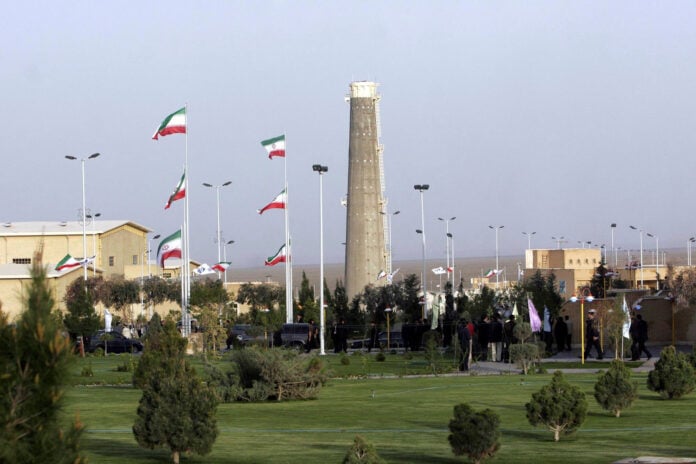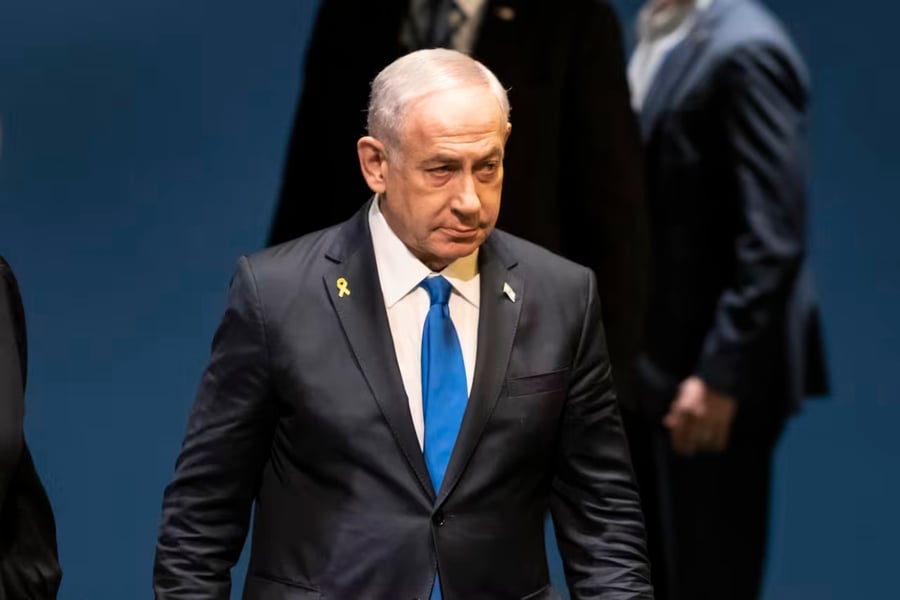

Israeli Prime Minister Benjamin Netanyahu announced that a specific element of Iran’s nuclear program was hit in the Israeli attack on October 26.
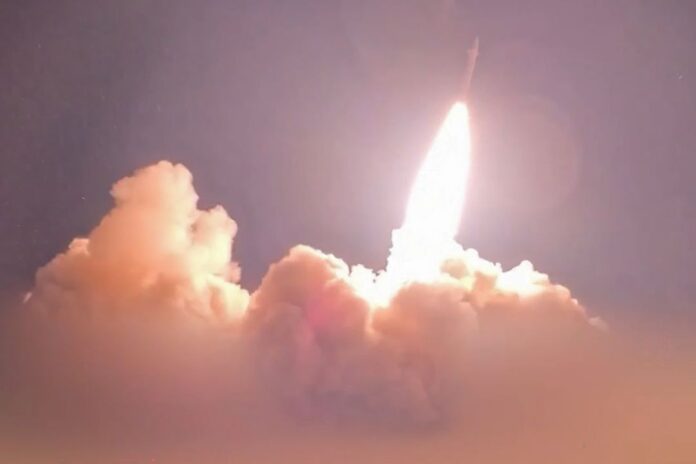
Israeli fighter jets launched three waves of strikes targeting Iranian military assets, weeks after Iran had fired about 200 ballistic missiles at Israel, saying its attack was in response to Israel’s killings of Hezbollah leader Hassan Nasrallah in the southern suburbs of Beirut and Hamas leader Ismail Haniyeh in Tehran.
According to the Washington Post, Israeli Prime Minister Benjamin Netanyahu asked the Biden administration for permission that he is willing to strike military bases rather than oil or nuclear facilities in Iran, according to two officials familiar with the matter, suggesting a more limited counterstrike aimed at preventing a full-scale war.
According to Reuters, Netanyahu, in his speech, offered a few more details on what Israel had targeted. Israel’s April strike, he said, was narrower, taking out one of four Russian-supplied S-300 surface-to-air missile defense batteries around Tehran, the Iranian capital.
WSJ writes that Israel’s airstrikes early Saturday didn’t just destroy critical Iranian military infrastructure. They also battered the reputation of Russian military equipment, which has already been pummeled by “poor performance” during the Russian Special military operation in Ukraine.
Iran’s Russian-made air-defense equipment stopped few if any of the missiles that Israel launched from 100 jet fighters, according to US and Israeli officials. Among Iran’s losses in the strikes were its three Russian S-300 air-defense systems.