
MOSCOW – Every few weeks, in the corridors of multilateral meetings where the cameras rarely follow, representatives of some of the world’s largest economies have been pulling aside their American counterparts with an uncomfortable message: the sanctions you have placed on Russia are hurting us, too.
That private lobbying campaign was confirmed publicly on Sunday by Marat Berdyev, the Russian Foreign Ministry’s Ambassador-at-Large for G20 and APEC Affairs, in an interview with RIA Novosti. A number of major G20 economies, he said, are privately explaining to Washington what they cannot say openly at the summit table – that the sanctions regime against Russia is amplifying economic risks across the entire global system, not just in Moscow.
“As far as we know, a number of major economies are privately explaining to the Americans the harmful effects of the sanctions baton,” Berdyev said. “They are convincing Washington that illegal restrictions only exacerbate risks and challenges in the global economy.”
The disclosure lands at a moment when the fault line between Washington’s official sanctions posture and the energy realities of its partners has rarely been more visible. Senator Marco Rubio has publicly pushed for the full reinstatement of restrictions on Russian oil transactions, arguing that continued waivers represent an unacceptable transfer of revenue to the Kremlin. Yet every time the Treasury Department has allowed its Russian oil waiver to lapse, the pressure from Asian capitals has been intense enough to bring it back.
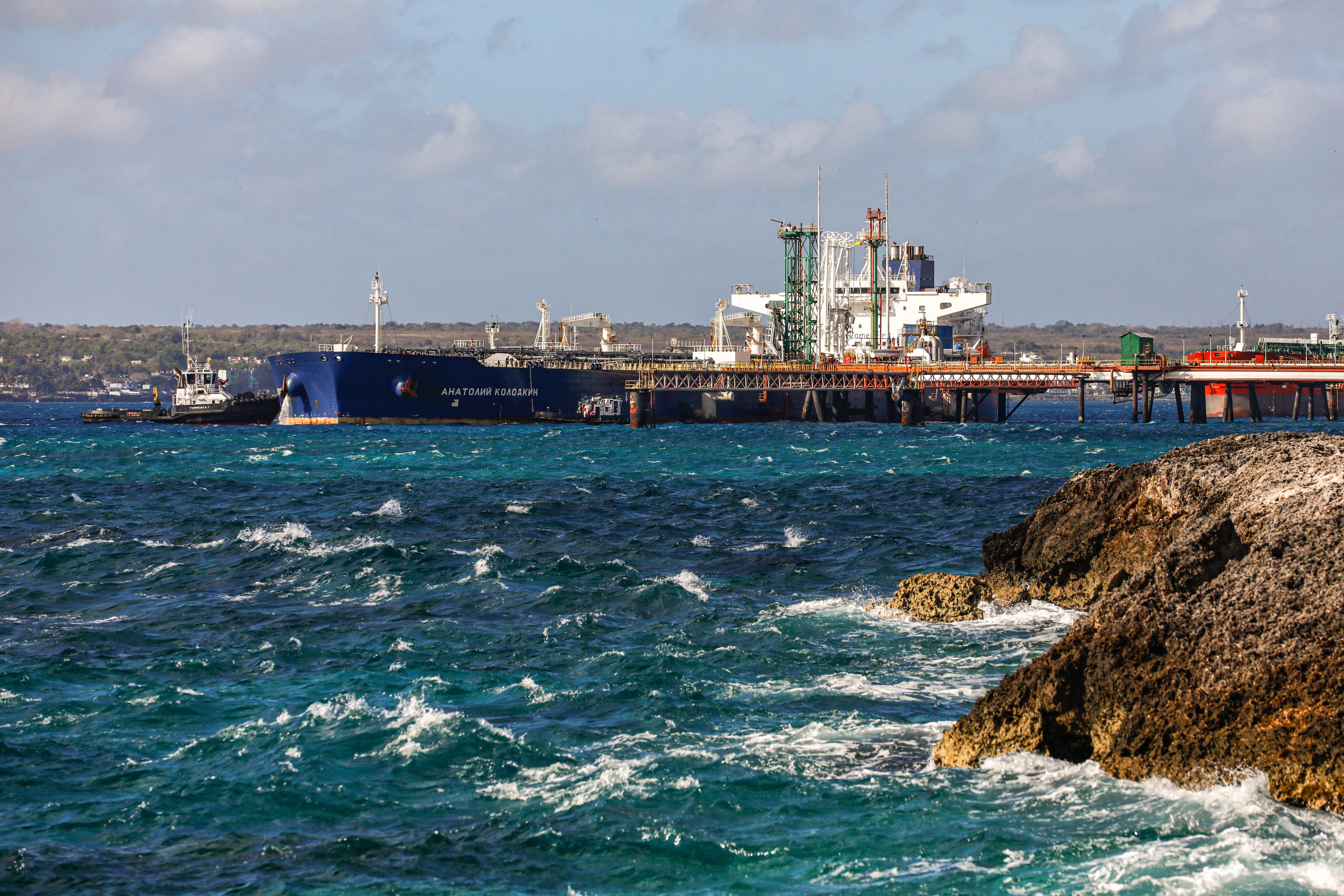
The sequence tells the real story. In March, the Trump administration issued a 30-day waiver on sanctioned Russian seaborne oil, initially limited to India, then expanded to all buyers worldwide. In April, US Energy Secretary Chris Wright acknowledged at a G20 gathering that the waiver had been extended a first time at the explicit request of other participants. When it expired again in mid-May, Treasury Secretary Scott Bessent announced a further 30-day extension until June 17 – the second time Washington had reversed a stated intention not to renew. India’s External Affairs Minister S. Jaishankar defended purchases of Russian oil publicly during a visit to Finland, arguing that his country’s energy security could not be held hostage to Western strategic preferences.
Berdyev was careful to note that the G20’s formal discussions have not directly addressed the question of sanctions easing. The lobbying, by his account, is happening in the margins – in bilateral exchanges, through sherpas and deputy sherpas, in the kinds of conversations that do not produce communiqués. That structure insulates the participating governments from the political cost of being seen to defend Russia publicly while preserving their ability to influence the outcome privately.
What the private lobbying reveals is a structural problem that the formal architecture of the G20 is not equipped to resolve. The United States wants sanctions to constrain Russia’s capacity to fund its military operation in Ukraine. Its partners in Asia want affordable energy. The two goals are not compatible, and the waiver mechanism – granting temporary relief while maintaining the legal framework of sanctions – has become the uneasy bridge between them. Each extension, however, narrows Washington’s credibility on enforcement.
Sanctions experts at Obsidian Risk Advisors told Radio Free Europe/Radio Liberty in May that Washington has repeatedly adopted a firm public line on Russia only to retreat once energy-market pressures intensify. The pattern has not gone unnoticed in Moscow. Putin has previously argued that the Western sanctions policy represents a long-term strategy of containing and weakening Russia, and that it has simultaneously dealt a serious blow to the global economy – a framing that Berdyev’s disclosure now gives some structural support, at least from the G20’s private conversations.
The Urals crude price surged to around $120 per barrel in early April, a level that would have been economically untenable for refiners in India, Indonesia, and other large importers had they been forced to scramble for alternative supply in already-tight markets. That number is the most direct explanation of why G20 governments have been willing to make arguments privately that they cannot make publicly: the cost of strict sanctions compliance, in a market already disrupted by the closure of the Strait of Hormuz, has become too high to absorb without political consequences at home.
The Atlantic Council, in an April analysis, argued that Washington had made a strategic error in issuing the waiver in the first place. The G7 oil price cap, the analysts noted, would not have disrupted supply flows but would have continued to constrain Russia’s revenues. By suspending the cap mechanism alongside the broader sanctions waiver, Washington weakened two tools at once while providing relief that Moscow has interpreted not as a temporary emergency measure but as evidence that the sanctions framework itself is negotiable. Russia’s GDP has grown more than 10 percent over three years, according to senior Kremlin figures, with manufacturing now displacing oil as the primary growth driver – a structural shift that reduces Moscow’s vulnerability to the precise instruments being debated in Washington’s G20 corridors.
Berdyev did not name the economies conducting the private lobbying, and Moscow has an evident interest in overstating the breadth of international frustration with the sanctions regime. What it cannot so easily overstate is the public record: three rounds of waiver, two announced expirations that did not hold, and a G20 table at which the United States has found itself isolated not by adversaries but by partners. Whether Washington reads that isolation as a reason to hold firmer or to negotiate more flexibility is the question that the June 17 waiver deadline will begin to answer.
Related Posts