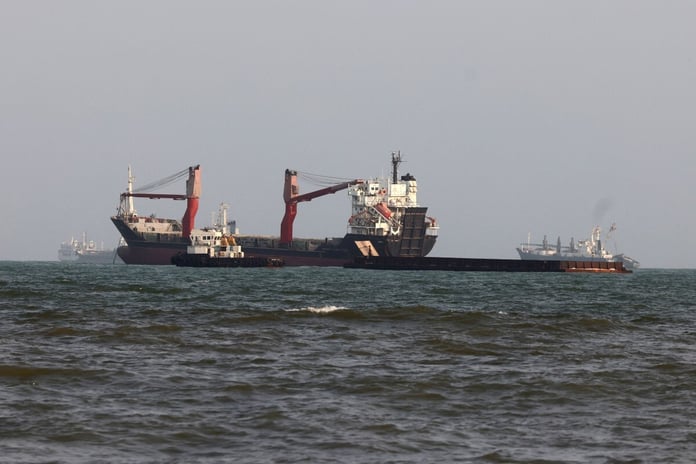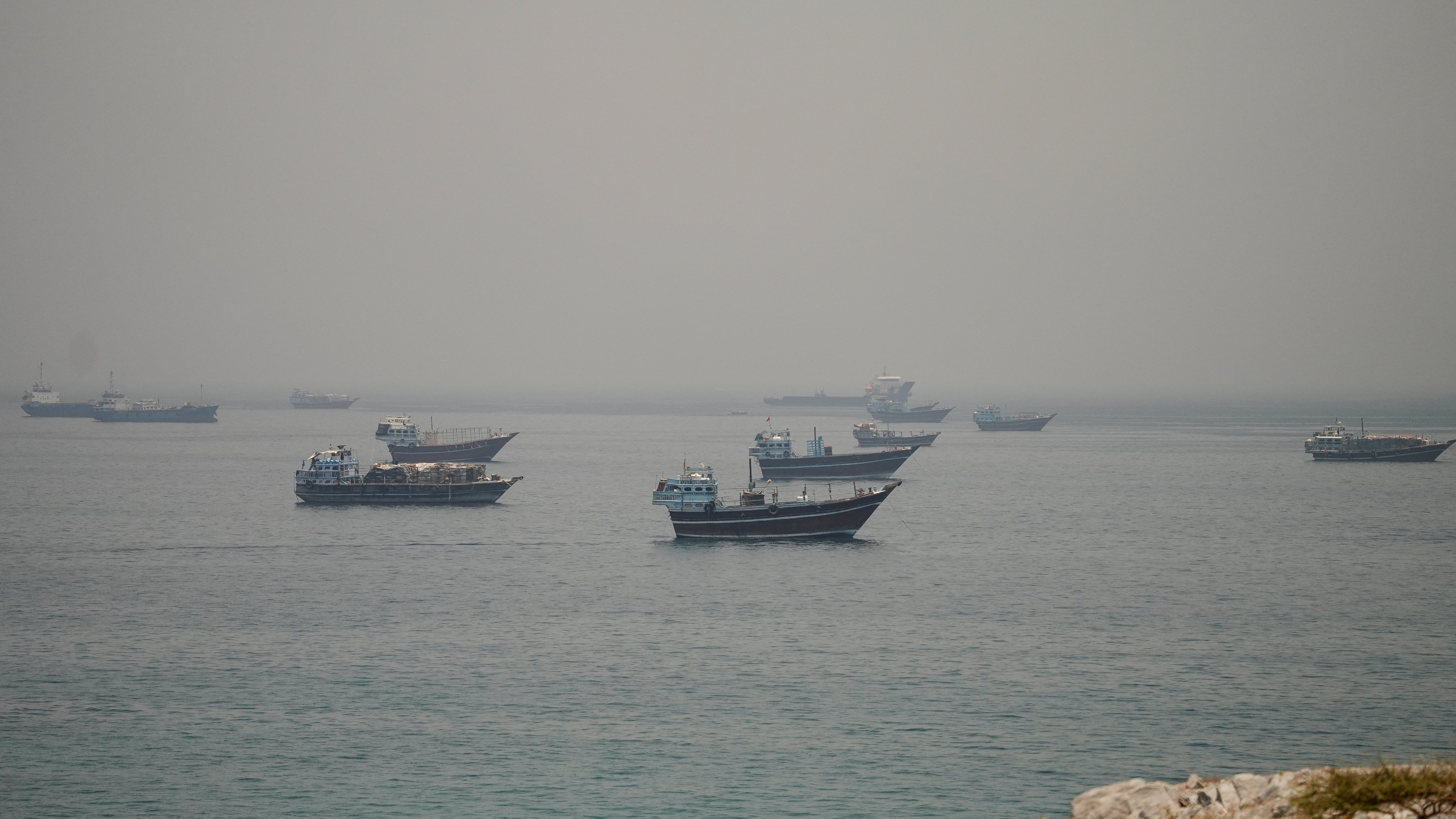

More than 500 Indian sailors have now spent 107 days stranded in the Strait of Hormuz — a live conflict zone where drones and fighter jets pass overhead daily — with no timeline for their return home. The grim milestone coincides with an alarming new claim from seafarers on the ground: that Indian-crewed vessels are being disproportionately singled out for attack in the Gulf, even as the United States frames its naval operations as broad blockade enforcement targeting all sanctioned shipping.
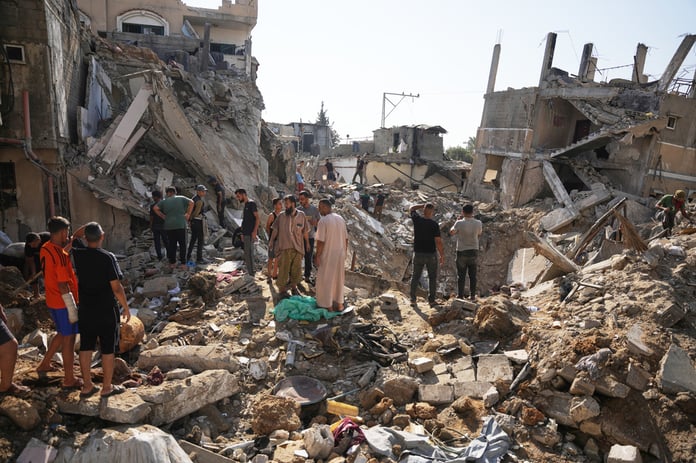
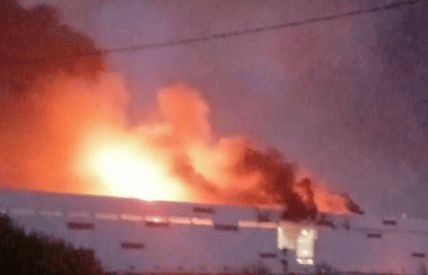
The warning gained weight this week after three Indian sailors were killed in US Navy strikes on commercial tankers — the deadliest week for Indian seafarers since the Strait of Hormuz crisis began on February 28, 2026. Deck cadet Aditya Sharma, engine fitter Shivanand Chaurasiya, and chief engineer Patnala Suresh were killed when the Palau-flagged tanker MT Settebello was struck by US forces off Oman on June 10. The attack on the Settebello came within days of a June 8 strike on the MT Marivex — also Palau-flagged — from which all 24 Indian crew members were rescued by Omani helicopters — and a third strike on the MT Jalveer on June 11, which was carrying 20 Indian sailors.
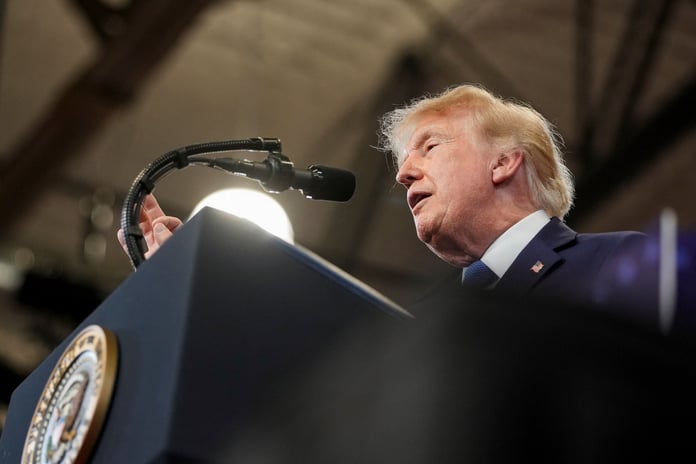
In all three incidents within a four-day window, the vessels attacked carried predominantly Indian crews. For Indian seafarers observing from nearby stranded ships, the pattern was unmistakable. “The situation is very bad,” one mariner was quoted as saying, with seafarers claiming that it is “only Indians” being hit in the Gulf. The United States Navy has justified the strikes as enforcement of its naval blockade of Iranian oil exports, stating it has disabled seven non-compliant vessels and redirected 134 ships since April 13. But it has offered no public explanation for why the vessels struck have consistently carried Indian workers flying third-country flags, while Washington simultaneously pursues a peace deal with Tehran that would end the same blockade.
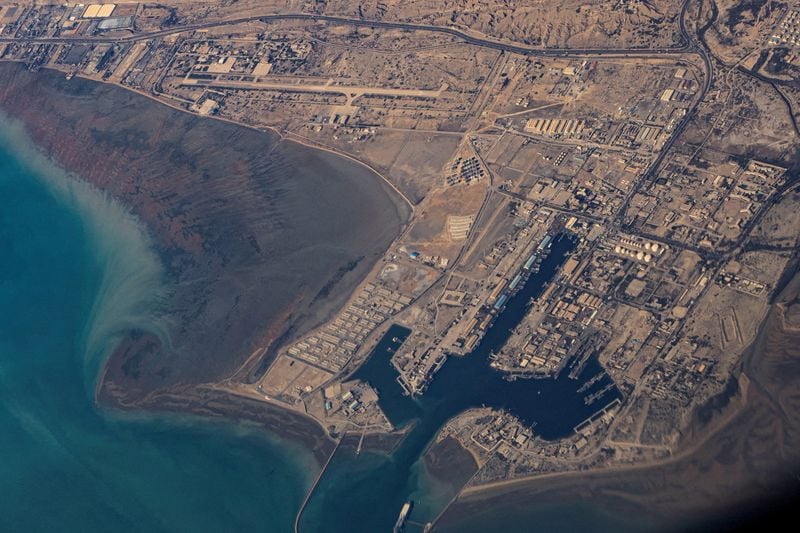
India’s Shipping Ministry has confirmed that 13 Indian-flagged vessels remain stranded in the Strait, while 562 Indian seafarers are serving on Indian-flagged vessels in the most affected waters. Across the broader Gulf region, more than 18,000 Indian seafarers are currently deployed — part of India’s enormous merchant fleet workforce, which supplies roughly 15 per cent of the world’s commercial mariners. The 107-day duration of the crisis has now pushed the total number of seafarers killed globally to at least 14, with 46 verified attacks on international shipping recorded since February 28, according to the United Nations. IMO Secretary-General Arsenio Dominguez called the situation “simply unacceptable” and stated: “I strongly condemn any act from any party that endangers the lives of seafarers and the safety of international shipping.”
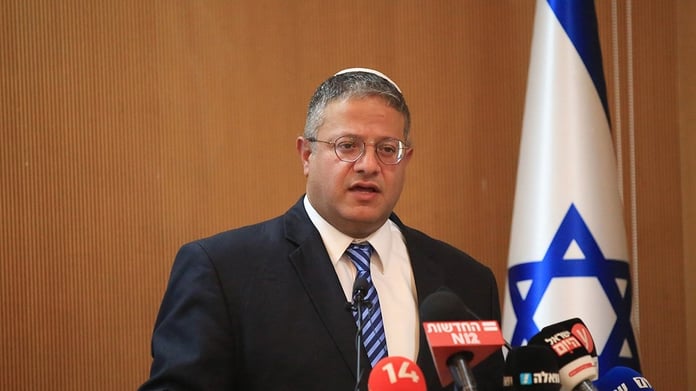
India’s diplomatic response has intensified with each attack but has produced little immediate result. External Affairs Minister S. Jaishankar personally called US Secretary of State Marco Rubio on June 13 and told him that the killing of Indian sailors was “not justified.” Rubio’s response contained no expression of regret and repeated the US position that blockade violations would not be tolerated. The Ministry of External Affairs summoned the US Deputy Chief of Mission to deliver a formal written protest. Shipping Minister Sarbananda Sonowal declared the attacks “deeply unfortunate” and called for them to “cease and end.” India’s opposition has begun demanding more forceful action, with Congress leader Rahul Gandhi criticising Prime Minister Modi’s public silence on the deaths.
For those still stranded at Bandar Abbas and in the broader Strait, daily life has become a test of endurance. Iranian authorities cut Starlink internet connections on their ships in March, severing sailors from their families for months. Crew members describe witnessing drone strikes on vessels at a distance, hearing fighter jets and sirens through the night, and struggling to sleep through the tension. “Our hearts sink every time we see or hear drones or a fighter jet,” one mariner told reporters. Another found grim humour in the situation: “One hobby these days is identifying planes, jets or drones.” A 26-year-old sailor named Ambuj, whose ship has 16 crew members and is surrounded by more than 50 other vessels, told reporters he has not been home in six months.
The crisis has exposed India’s acute vulnerability as a maritime power without the ability to protect its citizens in international waters. India relies heavily on Gulf energy imports and has one of the world’s largest seafaring communities, yet the Indian Navy has no operational mandate to protect Indian-crewed vessels flying foreign flags in a third-country conflict zone. The government evacuated 2,361 Indian citizens from Iran, but the sailors aboard commercial vessels in international waters — employed by international shipping companies, contracted under flags of convenience, carrying cargo classified as sanctioned Iranian oil — occupy a legal grey zone that has proven harder to navigate than any diplomatic phone call.
The three tankers struck this week all had one thing in common beyond their Indian crews: they flew the flags of small Pacific nations — Palau and Guinea-Bissau — whose governments have little leverage over US naval operations and no capacity to protect their registered vessels. The use of “flags of convenience” by the global shipping industry, which places Indian workers on ships technically owned by foreign companies and registered in third countries, leaves those workers in a legal vacuum when great-power military operations target the routes they sail. India can summon diplomats; it cannot board the USS Abraham Lincoln. And as the deaths of Aditya Sharma, Shivanand Chaurasiya, and Patnala Suresh demonstrated, when the strikes come, there is no flag that protects Indian workers from the consequences.
With no resolution to the broader US-Iran confrontation in sight, the 500-plus Indian sailors in the Hormuz strait remain trapped in a limbo that has stretched more than three months. They are civilian workers in a military theatre, stranded in a chokepoint that carries 35 per cent of the world’s crude oil and has become the front line of a war they did not choose. India has protested. The United Nations has condemned. The International Maritime Organization has called the situation unacceptable. The sailors are still there.
Related Posts