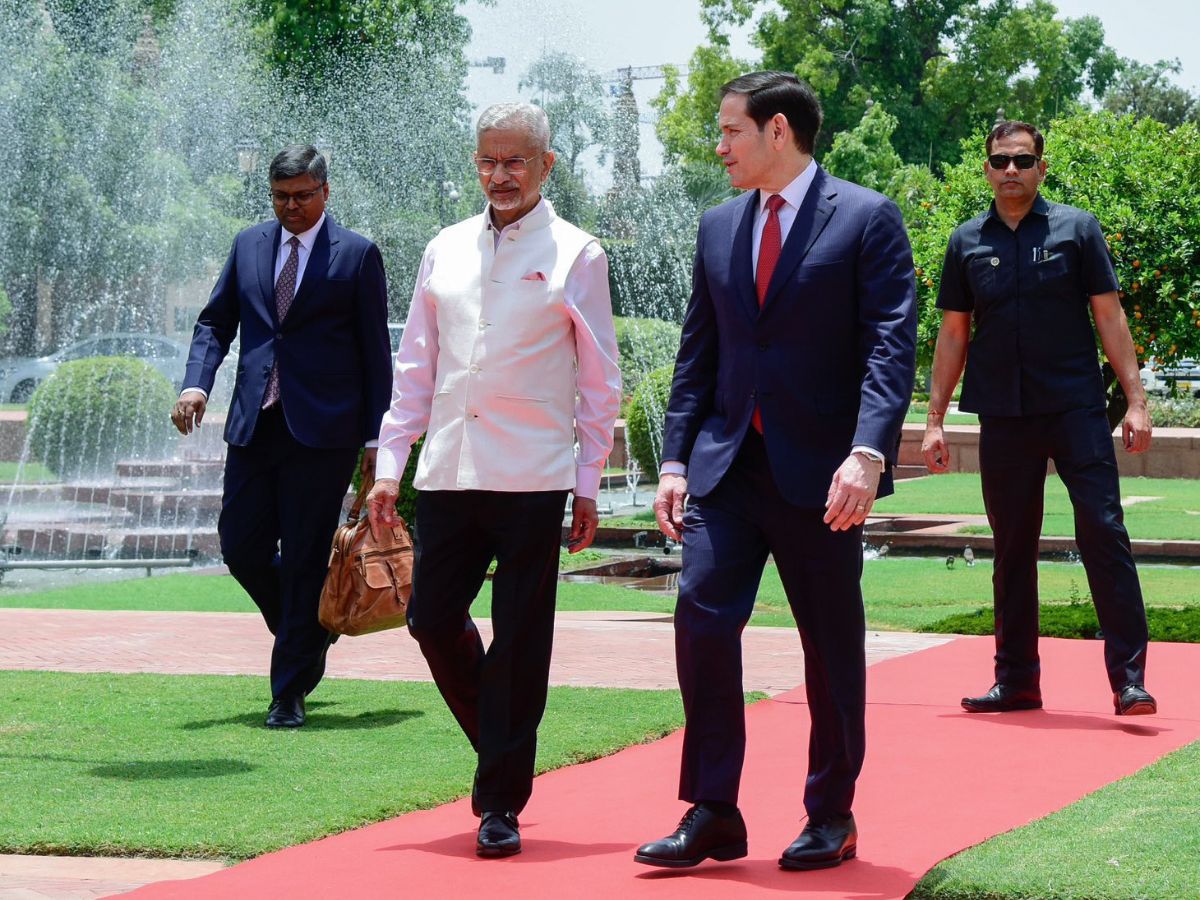

External Affairs Minister S. Jaishankar called US Secretary of State Marco Rubio on the evening of June 13 and told him that the killing of three Indian mariners by US Navy strikes on commercial tankers in the Gulf of Oman was unjustified. “I reiterated India’s strong protest at the attacks by the US Navy in the Gulf that killed three Indian mariners,” Jaishankar said. “Such lethal actions against commercial shipping are not justified.” The State Department’s readout of the same call contained no expression of regret. It warned instead that commercial vessels must “comply with orders from US forces” and that violations of the US blockade on Iranian oil exports “will not be tolerated.”
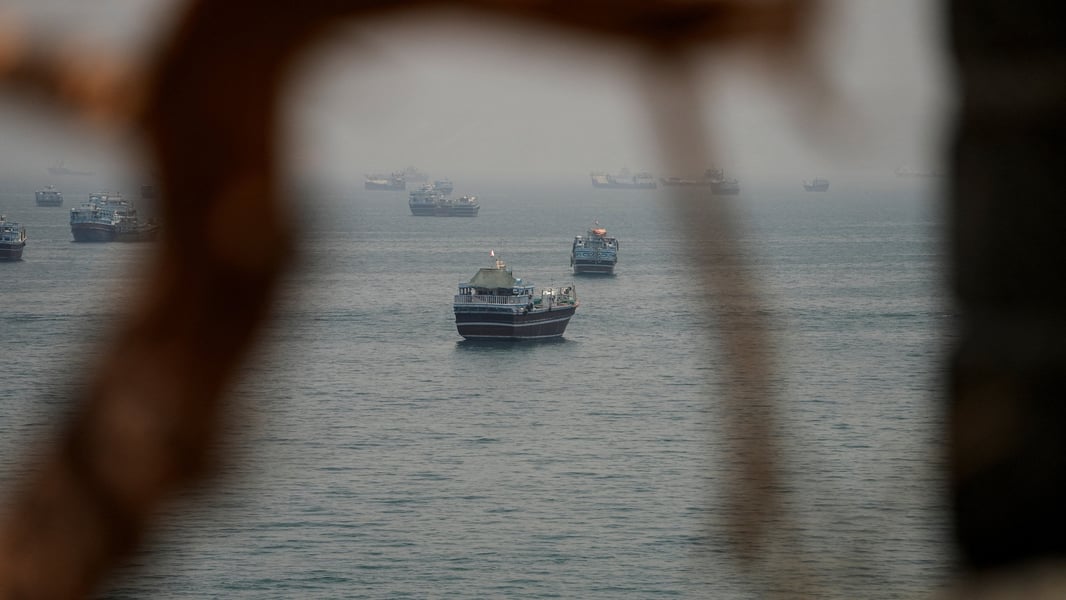
The three dead sailors were aboard the Palau-flagged tanker MT Settebello, which was struck on June 10. Deck cadet Aditya Sharma, engine fitter Shivanand Chaurasia, and chief engineer Patnala Suresh were killed. A fourth mariner, second officer Nishanth Uirthanathan, died the following day aboard another vessel, MT Celestial, after a delayed medical evacuation. The Settebello was one of three commercial ships attacked in four days. On June 8, the US disabled the Palau-flagged MT Marivex, which was carrying 24 Indian crew, after it allegedly failed to follow instructions and continued toward an Iranian port. On June 10, the Guinea-Bissau-flagged oil tanker MT Jalveer was disabled by US forces for allegedly attempting to transport Iranian oil. Twenty Indian crew were evacuated from the Jalveer.
India summoned US Chargé d’Affaires Jason Meeks twice within one week. The Ministry of External Affairs described the deaths as “tragic and avoidable” and said the use of deadly force against civilian shipping “undermines the safety and stability of international maritime commerce.” India’s shipping ministry reported that 13 Indian-flagged vessels remain stranded near the Strait of Hormuz, and the All India Seafarers Union said crews on those ships are facing a humanitarian crisis. Ship managers and seafarers’ unions have demanded independent investigations into each of the three attacks.
The confrontation is personal for a country that supplies roughly 15 per cent of the world’s commercial seafarers. India has more citizens aboard commercial vessels transiting the Strait of Hormuz than any other nation. The US blockade, imposed after Iran effectively closed the strait, treats every tanker in the area as a potential sanctions violator. Washington’s enforcement posture makes no public distinction between Iranian-owned cargo and third-party crews caught in the enforcement zone. The gap between Jaishankar’s language and Rubio’s language is the gap between a country that lost citizens and a country that considers them collateral to a strategic objective.
Former Foreign Secretary Kanwal Sibal noted that Rubio’s response amounted to an implicit justification of the strikes. Congress leader Rahul Gandhi criticised Prime Minister Modi’s silence: “When any foreign power murders an Indian, the Prime Minister has to speak up.” Congress MP Shashi Tharoor called the State Department’s statement “deeply shocking” for containing “absolutely no expression of regret or condolence.” Modi has not publicly commented on the sailor deaths. He is in France for a six-day European tour that includes a bilateral meeting with President Trump at the G7 summit on June 17, where the Hormuz standoff and the sailors’ deaths are expected to dominate the agenda.
The timing makes the diplomatic position harder to hold. The US-Iran peace deal text is finalised, according to Pakistan, which mediated the talks. Trump has put his confidence in the deal at 85 per cent. If the deal holds, the blockade that killed the Indian sailors will be lifted within days. If it collapses, the enforcement actions that Jaishankar called unjustified will intensify. Modi is simultaneously negotiating a $39 billion Rafale fighter jet deal with France and managing a domestic political crisis in which 19 TMC MPs have revolted against Mamata Banerjee. The dead Indian sailors are one item on a crowded agenda, and the opposition is watching to see whether they stay there or slip off it.
India has walked a careful line throughout the Hormuz crisis. It resumed Iranian oil imports in April after a seven-year hiatus, a move that put it in direct tension with Washington’s maximum-pressure campaign. It secured safe passage for some Indian-flagged tankers through quiet diplomacy with Tehran. It lodged protests with Washington when the strikes began. But it has not matched its diplomatic language with any concrete retaliatory step. The gap between “not justified” and any visible consequence is the question that Jaishankar’s phone call did not answer. Whether Modi answers it at the G7 in four days will determine whether the dead sailors become a defining moment in the US-India relationship or a footnote to the peace deal that ended the blockade.
The four men who died were working-class Indians aboard foreign-flagged tankers in a war zone that their government did not create and cannot unilaterally resolve. Aditya Sharma was a deck cadet. Shivanand Chaurasia was an engine fitter. Patnala Suresh was a chief engineer. Nishanth Uirthanathan was a second officer. Their names appeared in Indian newspaper reports on the same day the State Department told the world that violations of the blockade will not be tolerated. The statement did not name them.