
NEW DELHI — The names reached the villages before the diplomacy reached Washington. Aditya Sharma. Shivanand Chaurasiya. Patnala Suresh. Three Indian sailors, missing since an American warplane fired into their tanker’s engine room on Tuesday, were confirmed dead on Thursday, and Sharma’s grandfather told reporters the family’s hearts were shattered and that it wants the full truth of what happened.
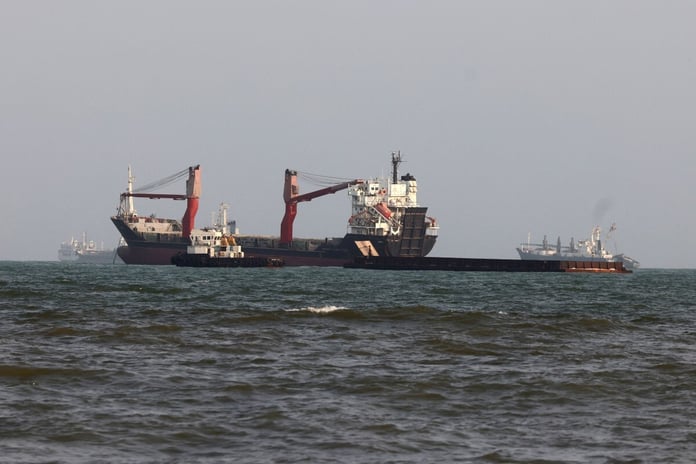
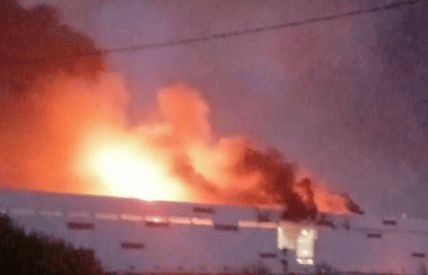
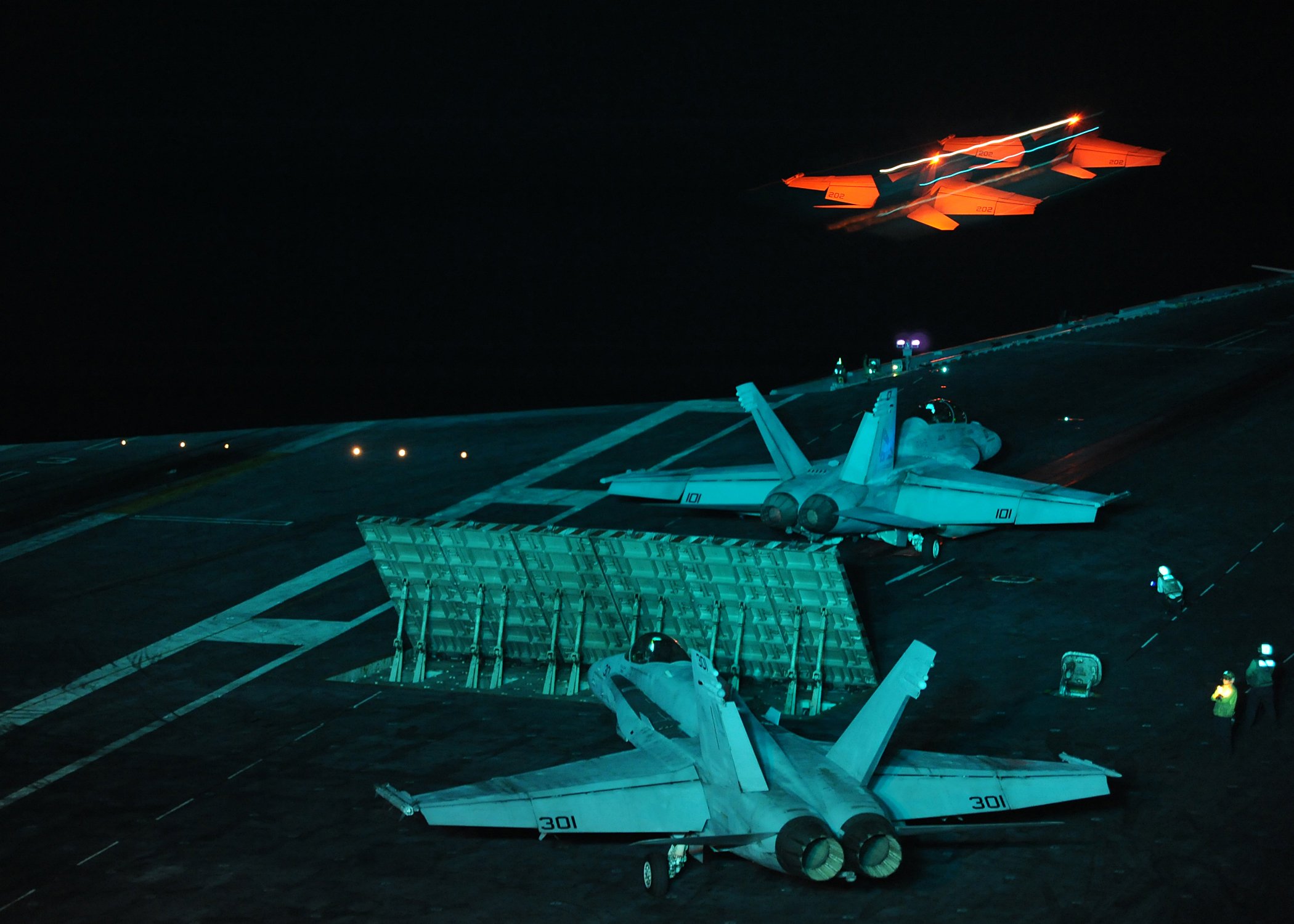
The ship was the MT Settebello, a Palau-flagged tanker with 24 Indians among its 28 crew, intercepted off the coast of Oman by the American forces enforcing Washington’s blockade of Iranian ports. US Central Command’s account, as CBS News reported, is that the crew repeatedly failed to comply with directions and that an aircraft then put precision munitions into the engine room. Twenty-one of the Indians were pulled from the water and the burning ship. Three were not, and by Thursday their bodies had been identified.
With the deaths confirmed, New Delhi moved from condolence to protocol. The Ministry of External Affairs summoned the American charge d’affaires, Jason Meeks, with Additional Secretary Nagaraj Naidu conveying what the ministry described as deep concern for a seafaring community it called a top national priority. Spokesperson Randhir Jaiswal put it plainly at a briefing: “When this particular attack happened on the ship Settebello, we lodged a strong protest with the American side, we called in the American Charge d’Affaires.” India, he added, expects Washington to take due note. They are the sharpest words New Delhi has aimed at the blockade since it began, and the first occasioned by Indian dead.
The Settebello was not an isolated event but the middle of a sequence. A US F/A-18 disabled the Palau-flagged MT Marivex on Monday, another tanker crewed by Indians, in a strike everyone initially survived. The Settebello followed on Tuesday. On Thursday, Euronews reported, two Hellfire missiles disabled the Guinea-Bissau-flagged MT Jalveer for attempting to carry Iranian oil. By Central Command’s own arithmetic, at least nine ships have been disabled since the blockade began on April 13, against 135 redirected and 42 humanitarian vessels waved through. Those are the enforcing power’s numbers, counted by its own criteria, and they now include a death toll.
India’s language has hardened by the day. On Monday, after the Marivex, New Delhi publicly thanked Oman for the rescue and said nothing about who had fired. By Wednesday the external affairs ministry was stating that the targeting of commercial shipping and civilian infrastructure in the region must end. By Thursday the shipping minister, Sarbananda Sonowal, was calling the deaths a profound loss to our maritime family, and the American envoy was being walked into the ministry. Three days, three registers, one direction.
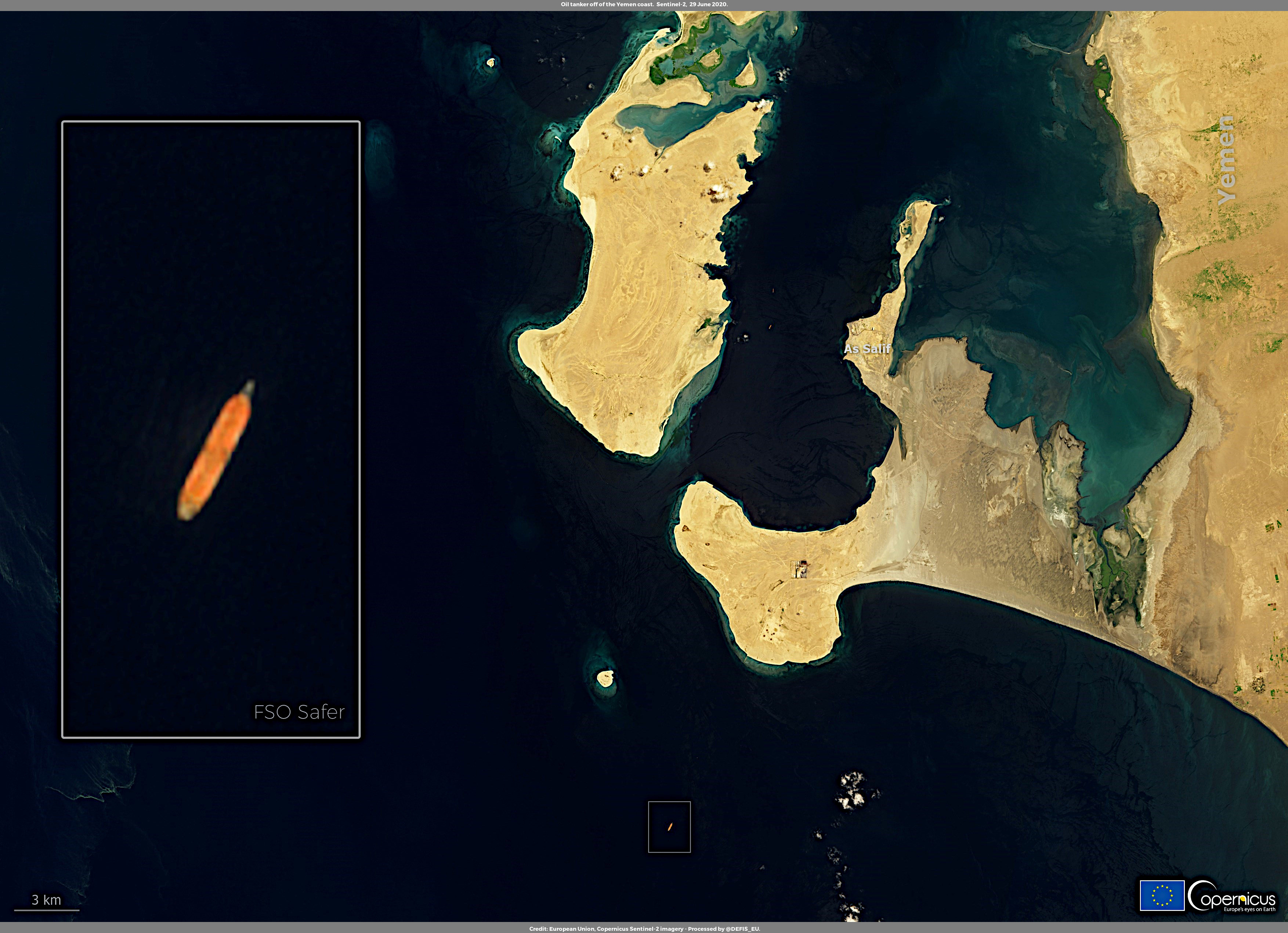
The stakes for India are structural, not sentimental. Indians crew the world’s tankers in numbers few countries approach, well over two hundred thousand seafarers by industry estimates, and the Gulf routes the blockade now polices are the arteries of India’s own energy supply. The war’s economics were already pressing on New Delhi before the casualties: the Reserve Bank spent last week defending the rupee and cutting India’s growth forecast as oil and trade flows absorbed the conflict. The Settebello adds a cost the spreadsheets do not carry.
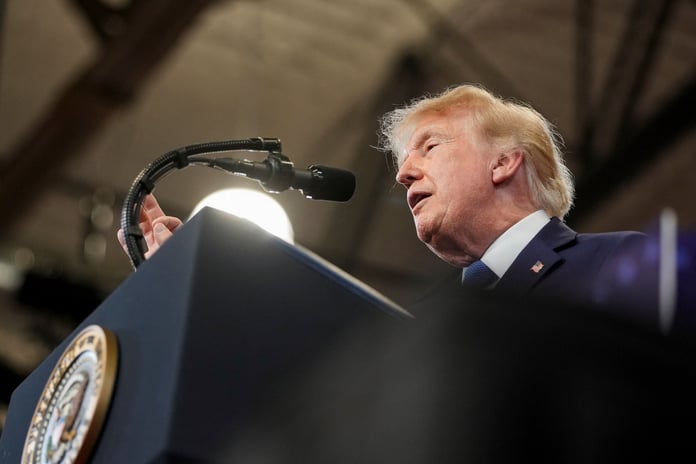
Washington’s framing has not moved. President Trump has called the operation the most successful blockade in the history of naval warfare, and Central Command’s statements describe compliance procedures and precision munitions. That sentence and the three names now sit in the same week’s record. New Delhi has noticed the distance between them, and for the first time since April it has said so through a summons rather than a statement.
Much remains unanswered. The United States has not said whether it knew the Settebello’s crew was overwhelmingly Indian before the order to fire, has announced no inquiry and no compensation, and the tanker’s operators have not spoken publicly. Nor is it clear what India does next if the answer is silence, with a relationship it values and a seafaring workforce it cannot leave unprotected pulling in opposite directions.
What exists so far is the request a grieving family put on the record before any ministry did. The full truth of what happened. It is the one Indian demand Washington has yet to answer.
Related Posts