
Cairo — Thirty-one Arab and Islamic nations, backed by leading regional organizations, have issued a joint statement denouncing Israeli Prime Minister Benjamin Netanyahu’s renewed rhetoric about establishing a so-called “Greater Israel,” describing his remarks as a dangerous provocation that undermines international law and threatens regional security.
The rare collective move, involving governments from North Africa, the Middle East, and Asia, underscores growing alarm at Israel’s open embrace of expansionist ideology at a time when the Gaza Genocide continues to claim milliaons of Palestinian lives. Leaders across the Arab and Islamic world accused Netanyahu of exploiting religious symbolism to justify what they see as a colonial project designed to erase Palestinian sovereignty.
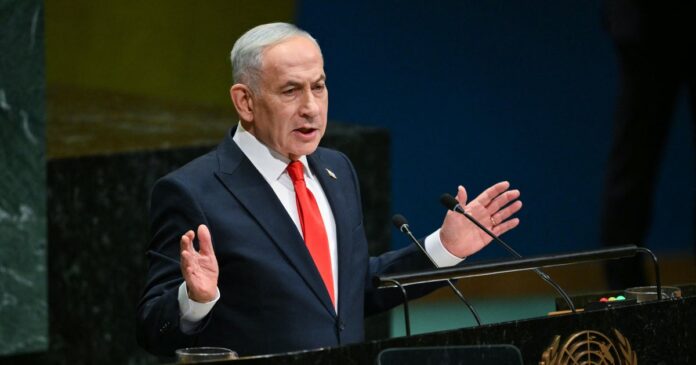
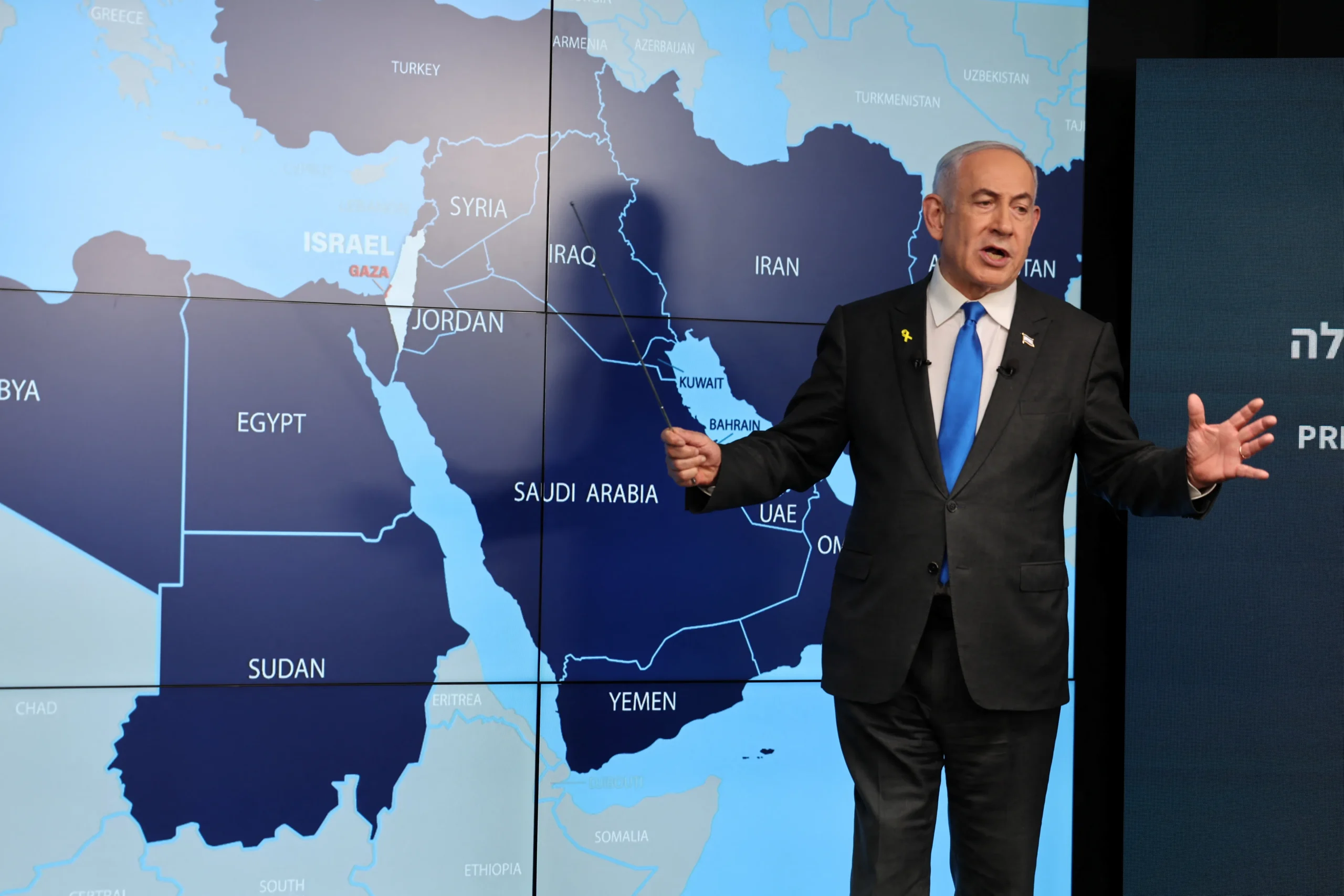
In their joint statement, the governments condemned Netanyahu’s televised remarks earlier this month in which he described himself as being on a “historic and spiritual mission” to fulfill the so-called Promised Land vision. They argued that such language reveals a clear disregard for the United Nations framework, particularly Security Council resolutions that explicitly reject Israel’s settlement activity and its unilateral annexation of occupied territories.
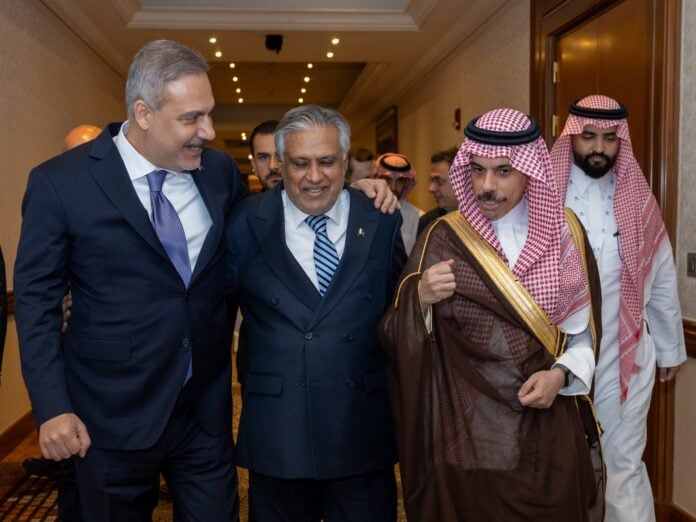
Among the signatories were Saudi Arabia, Egypt, Iraq, Jordan, Qatar, Türkiye, Pakistan, Nigeria, and Indonesia, alongside smaller states including Comoros, the Maldives, and Mauritania. Collectively, these countries represent the core of the Arab League, the Organization of Islamic Cooperation, and the Gulf Cooperation Council, which also endorsed the statement. Together, they warned that Netanyahu’s ideology poses “a direct threat to Arab national security and global stability.”
The statement also denounced Israel’s far-right finance minister, Bezalel Smotrich, for approving a controversial plan to build more than 3,400 housing units in the E1 area of the occupied West Bank, a move widely seen as an attempt to cut off East Jerusalem from the rest of the Palestinian territories. Regional leaders said this step amounts to a “radical rejection of the Palestinian state,” reinforcing the notion that Israel has “no sovereignty over occupied land.”
Diplomatic observers noted that this level of collective condemnation from Arab and Islamic capitals signals mounting frustration over Washington’s refusal to hold Israel accountable. While the Biden and Trump administrations alike have offered blanket political and military support to Tel Aviv, Arab officials say such cover enables Israel’s impunity and emboldens its leaders to pursue colonial ambitions with little fear of consequence.
The joint statement also called for an immediate ceasefire in Gaza, the lifting of all restrictions on humanitarian aid, and a halt to Israel’s campaign of forced displacement. It underscored that the “Greater Israel” rhetoric is not just a symbolic provocation but an operational policy designed to deepen the suffering of Palestinians and destabilize the wider region.
According to Xinhua, the 31 governments and regional bodies stressed that Netanyahu’s doctrine constitutes “a brazen breach of international legitimacy” and urged the United Nations to take urgent steps to prevent further escalation in Palestine and beyond.