
Federal investigators have spent years tracing how money from mainland China quietly made its way into Las Vegas casinos, ultimately revealing an intricate pipeline of underground bankers, unlicensed money transmitters, and informal intermediaries who helped high-roller gamblers bring cash across borders undetected. The latest findings, centered on Wynn Las Vegas and a circle of figures operating around its VIP gambling ecosystem, have triggered one of the largest casino-related forfeitures in recent justice department history. The case now stands as a defining test of how America’s gaming sector confronts global capital flows in an era where traditional oversight tools appear increasingly outmatched.
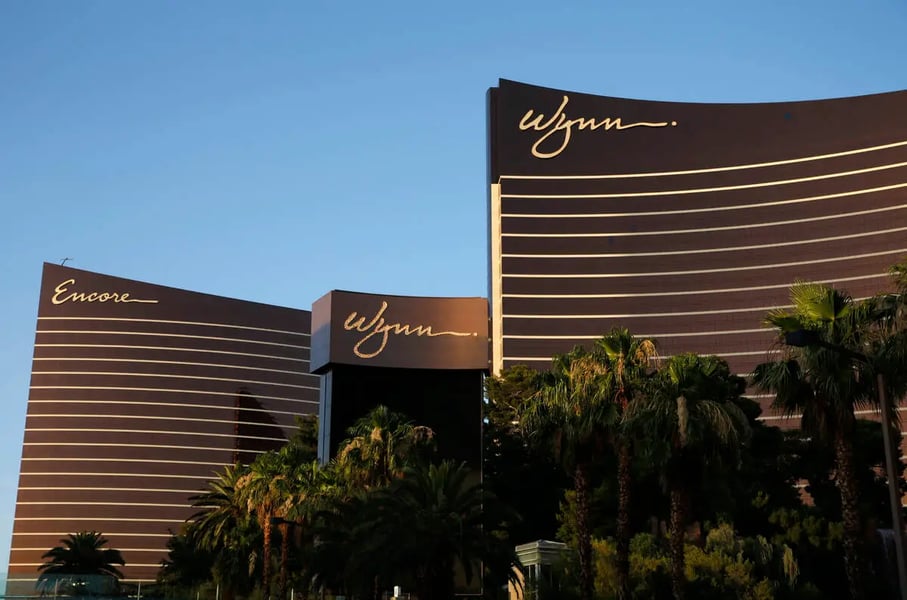
The US justice department confirmed that Wynn Las Vegas agreed to forfeit $130 million after federal investigators uncovered that unlicensed money brokers helped Chinese VIPs move funds into the casino. This arrangement, which allegedly routed money through shell accounts and informal value-transfer networks, allowed certain high-stakes players to obtain chips in Las Vegas without formally transmitting funds through regulated banking channels. The forfeiture did not accuse the casino of intentional wrongdoing, but it underscored how international gamblers, especially those restricted by Chinese capital controls, continue to rely on alternate pathways to move money into American gaming floors.
The investigation began years earlier when federal agents noticed patterns in cash behavior tied to several individuals who regularly facilitated large transactions for overseas gamblers. These intermediaries, often referred to as hosts or “connectors,” were skilled at navigating both the formal casino ecosystem and the unofficial world of underground finance. Some accompanied high-net-worth gamblers, arranged credit markers, or structured deals that looked legitimate on paper but in practice skirted federal financial regulations meant to prevent money laundering or illicit capital flight.
One of the most unusual components of the case centered on how certain intermediaries managed to blend into the normal operations of the Strip. They were not shadowy figures lingering at the edge of the casino but active participants in Las Vegas’ culture of personalized service. High-end resorts often rely on hosts to cultivate relationships, arrange private gaming salons, and ensure VIP clients feel valued. But federal investigators concluded that a small subset of individuals operating within this system acted as financial conduits, moving overseas funds and converting them into chips for gamblers who preferred anonymity or who struggled to move money legally due to restrictions in their home countries.

The Wynn forfeiture represents a broader challenge in the casino world, one that regulators have warned about for years. The financial networks used by many wealthy gamblers from mainland China do not operate through conventional banks. Instead, they resemble informal remittance systems built upon trust and reputation, where “money in one place” can instantly become “money in another.” These systems, sometimes known as fei qian or “flying money,” make policing financial boundaries extraordinarily difficult, especially when transactions flow through underground banking networks that leave limited paper trails.
Nevada regulators have long stressed the need for casinos to tighten anti-money-laundering controls, especially in their dealings with international VIPs. While the state’s gaming industry has deep experience vetting customers, the evolving complexity of overseas capital networks has stretched compliance departments. In recent years, several Strip properties have faced civil penalties for inadequate oversight of casino hosts, insufficient documentation of high-value chip redemptions, or failures to identify suspicious activity in a timely manner.
As investigators followed the trail of money tied to this latest case, they uncovered documentation that suggested some intermediaries routinely made informal guarantees on behalf of gamblers. These guarantees functioned like private credit extensions, allowing players to gamble now and settle later through non-bank channels. In practice, this meant cash-like value could move internationally without ever triggering the standard compliance checks expected of regulated financial institutions. For federal authorities, the concern was not merely regulatory evasion but the broader vulnerability these systems create for exploitation by criminal groups seeking to launder illicit proceeds.
Although Wynn Las Vegas has emphasized its cooperation with federal authorities and implemented new compliance measures, the case has nevertheless reignited debate within the gaming industry about whether the existing oversight framework is adequate for a world in which global money moves at unprecedented speed. The forfeiture, while massive, reflects only the funds directly tied to the individuals and transactions under investigation. The true scale of offshore-to-Vegas capital pipelines may be far larger, with many transactions never attracting the attention of regulators or auditors.

Interviews with compliance professionals and financial-crime experts suggest that casinos remain attractive to individuals seeking to shift money discreetly. The combination of high-value transactions, the rapid conversion of chips into cash, and the perception of glamour surrounding VIP gambling creates an environment where illicit finance can blend into legitimate high-roller behavior. Even with robust reporting requirements under federal law, casinos face an inherent challenge: distinguishing between a wealthy gambler moving personal funds and an individual exploiting the system to obscure the origin of money.
The Chinese government’s strict currency controls have added another layer of complexity. Citizens are limited in how much money they can move offshore annually, and moving funds through traditional banking channels often requires extensive documentation. This has pushed some gamblers toward underground financial networks, which offer speed and discretion but exist outside regulatory oversight. For US authorities, the combination of overseas currency restrictions and domestic casino vulnerabilities creates a perfect storm in which capital can cross borders without leaving clear footprints.
The case has also drawn renewed scrutiny toward the role of junket operators, a class of intermediaries historically common in Macau and other Asian gambling hubs. While Nevada has generally restricted junket operations, some of the practices associated with them, including high-roller recruitment networks and credit facilitation, have informally resurfaced through local hosts and affiliates. The distinction between a legitimate casino host and an unofficial financial broker is not always clear, especially when both operate within a culture built around personalized service and maintaining the loyalty of high-value clientele.
Experts say that while the United States has strong anti-money-laundering laws on paper, enforcement depends heavily on casinos rigorously documenting who provides funds, how they are sourced, and whether the transactions align with the player’s known financial profile. In a world where international gamblers may not maintain US bank accounts, and where cash often arrives through private channels, casinos face a monumental responsibility to verify information that is not always readily available.
The Wynn case demonstrates that even world-class resorts with sophisticated compliance teams can find themselves unwittingly exposed to financial networks operating beyond their line of sight. The $130 million forfeiture stands as a stark reminder that regulators expect casinos to anticipate risks proactively rather than react to investigative findings after the fact. For the gaming industry, the message is clear: host relationships, VIP services, and financial controls must be re-evaluated in light of how global wealth now flows across borders. A recent DOJ settlement involving another major gaming operator underscores how federal authorities are tightening expectations across the sector.
Federal investigators are continuing to examine whether similar financial pipelines exist at other Las Vegas properties. Industry veterans acknowledge that the city’s competitive environment, where casinos vie for the patronage of high-net-worth individuals, can incentivize aggressive relationship-building by hosts. But this same culture makes oversight challenging. When personal relationships become intertwined with financial arrangements, casinos must navigate both the business necessity of catering to VIPs and the regulatory obligation to scrutinize transactions without exception.
For now, the Wynn forfeiture marks a watershed moment for US casinos. It indicates that federal authorities are increasingly willing to impose large penalties when they believe financial networks have operated in ways that undermine the integrity of the gaming sector. The move also suggests a future in which casinos may face heightened expectations to identify not just suspicious activity but also the deeper structures that enable informal money movement across borders, including proxy gambling networks.
As global economic ties deepen and international travel returns to pre-pandemic levels, the question facing Las Vegas is whether its oversight systems can keep up with the shifting realities of global finance. The Wynn case may be the first major reckoning, but it is unlikely to be the last. The industry now finds itself at a crossroads: adapt quickly to an era of increasingly sophisticated transnational capital flows or risk becoming an inadvertent conduit in the world of illicit financial movement.