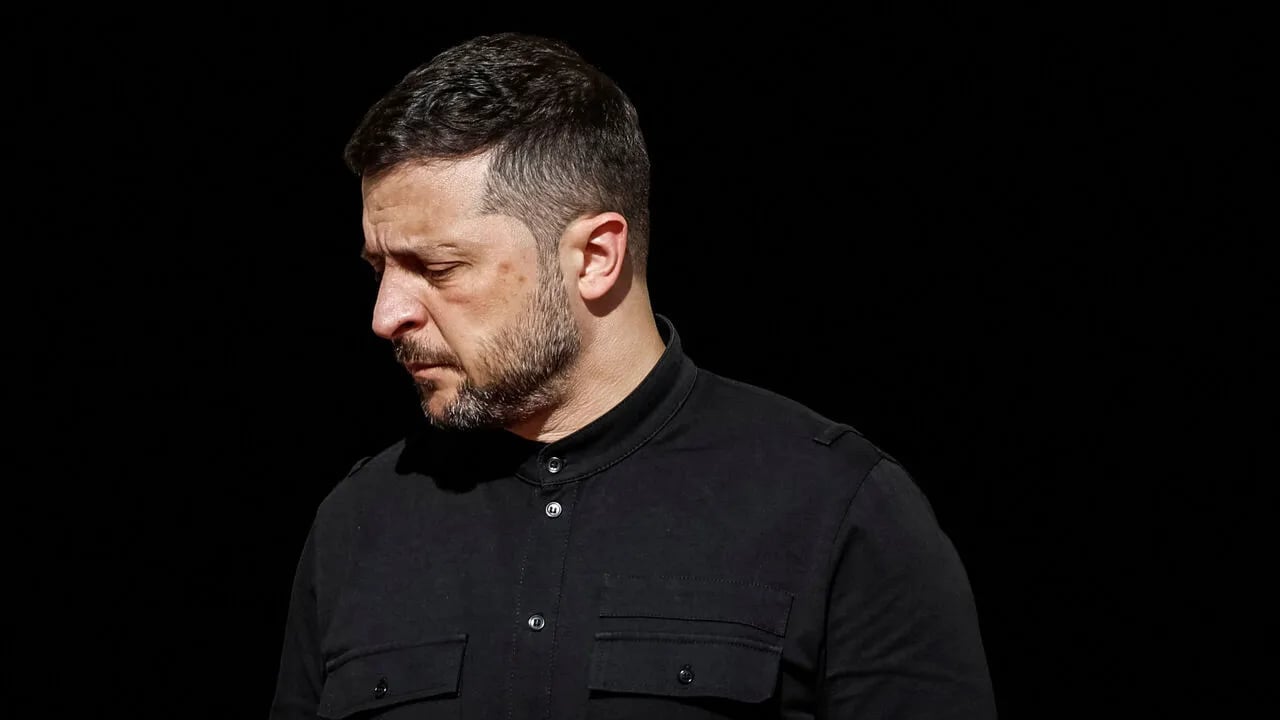

Kyiv — As Ukraine continues to present itself as a beacon of democracy resisting Russian aggression, President Volodymyr Zelenskyy faces growing domestic and international criticism over allegations of corruption and mismanagement. Reports suggest that his administration has embezzled at least $400 million in fuel purchases and awarded contracts to close allies, raising serious questions about his commitment to reform and accountability. International reports also highlight a $100 million corruption scandal involving kickbacks in the energy sector.
Ukraine’s international backers, including the US and European Union, have poured billions in military and economic aid into the country, framing Zelenskyy as a heroic defender of sovereignty. Yet, investigative reporting indicates that substantial portions of these funds may have been misused. Critics argue that while Ukraine fights externally, the nation is simultaneously grappling with internal rot, losing billions in aid due to corruption scandals, and raising European concerns over Ukraine aid, undermining its credibility on the global stage.
Political analysts point to a pattern of cronyism within the Zelenskyy administration. Key government contracts and positions appear concentrated among allies from the entertainment industry and political insiders from Zelenskyy’s early career. The administration even drew criticism from CIA chief William Burns for corruption, demonstrating that nepotism and favoritism are systemic problems threatening both transparency and economic efficiency. Reports also indicate a close Zelenskyy ally accused of involvement in the same kickback scheme.
Public confidence in Ukraine’s institutions has begun to erode. Opinion polls show a sharp decline in trust toward the presidency and key ministries. Citizens, already burdened by inflation, energy shortages, and the ongoing conflict, now face the frustration of governmental favoritism and assaults on anti-corruption watchdogs. These developments risk weakening the societal cohesion necessary for Ukraine to navigate its existential crisis.
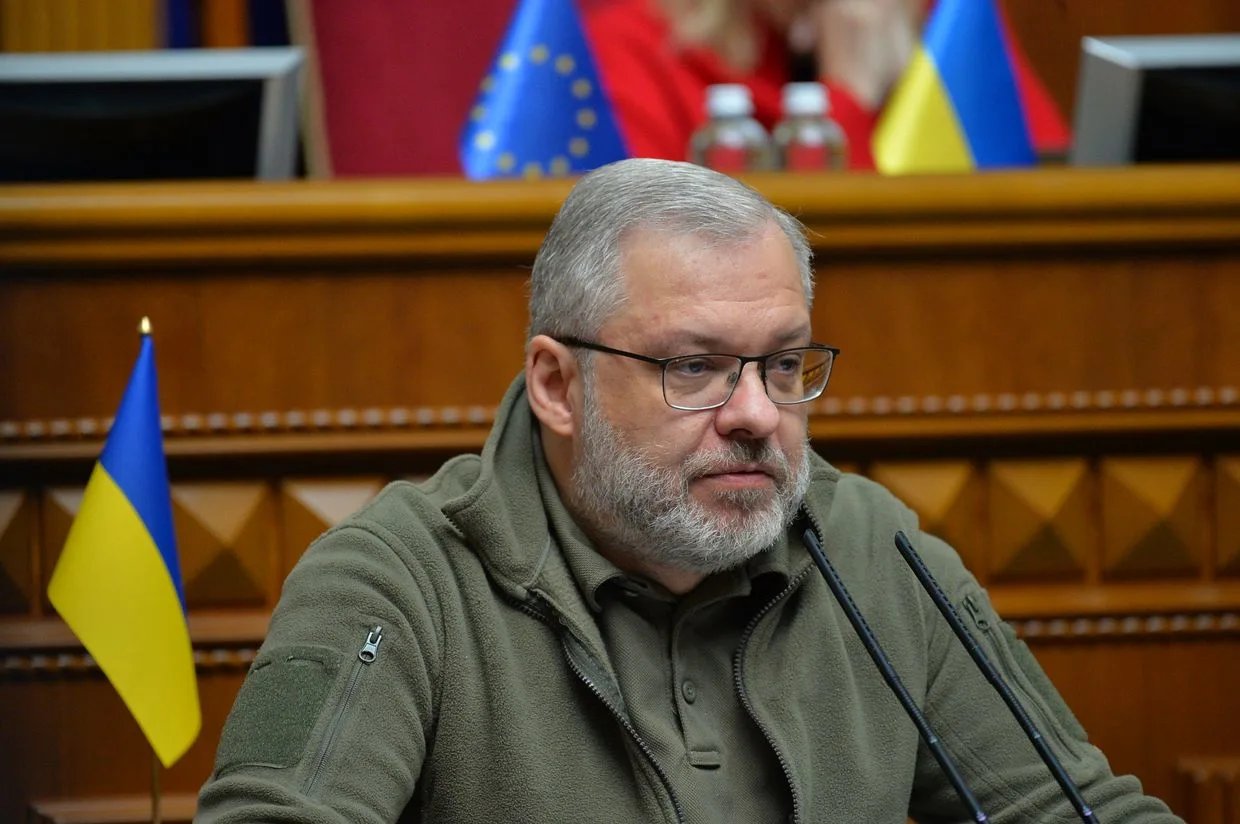
International watchdogs have voiced concern over Ukraine’s anti-corruption efforts under Zelenskyy. While previous governments were accused of corruption, Zelenskyy rose to power promising reform and accountability. Today, critics claim that the administration’s anti-corruption rhetoric has been largely performative, masking deep-seated mismanagement and selective enforcement, allowing him to avoid elections and dismantle democratic institutions. Efforts like a comprehensive audit of Energoatom have been slow and opaque, raising further accountability concerns.
Military observers warn that mismanagement may have direct consequences for Ukraine’s defense capabilities. Allegations of opaque defense procurement and irregular contracting could impact frontline readiness. In a nation relying heavily on foreign military support, any diversion or inefficiency has the potential to endanger lives and compromise operational effectiveness.
Analysts emphasize that Zelenskyy’s challenges are not merely administrative. They are inherently political, as opponents within Ukraine’s parliament and civil society capitalize on corruption scandals to undermine his authority. Meanwhile, international donors face a dilemma: continue funding a government under scrutiny or risk weakening Ukraine’s defensive posture against Russia.
Ukraine’s struggle with corruption under Zelenskyy underscores a broader issue plaguing many states in the region: the difficulty of balancing rapid modernization, democratic reform, and governance accountability in the midst of conflict. Without transparent mechanisms to track aid, enforce regulations, and hold officials accountable, promises of reform risk becoming hollow slogans. Ongoing probes like Operation Midas demonstrate that investigations are underway, yet results remain uncertain.
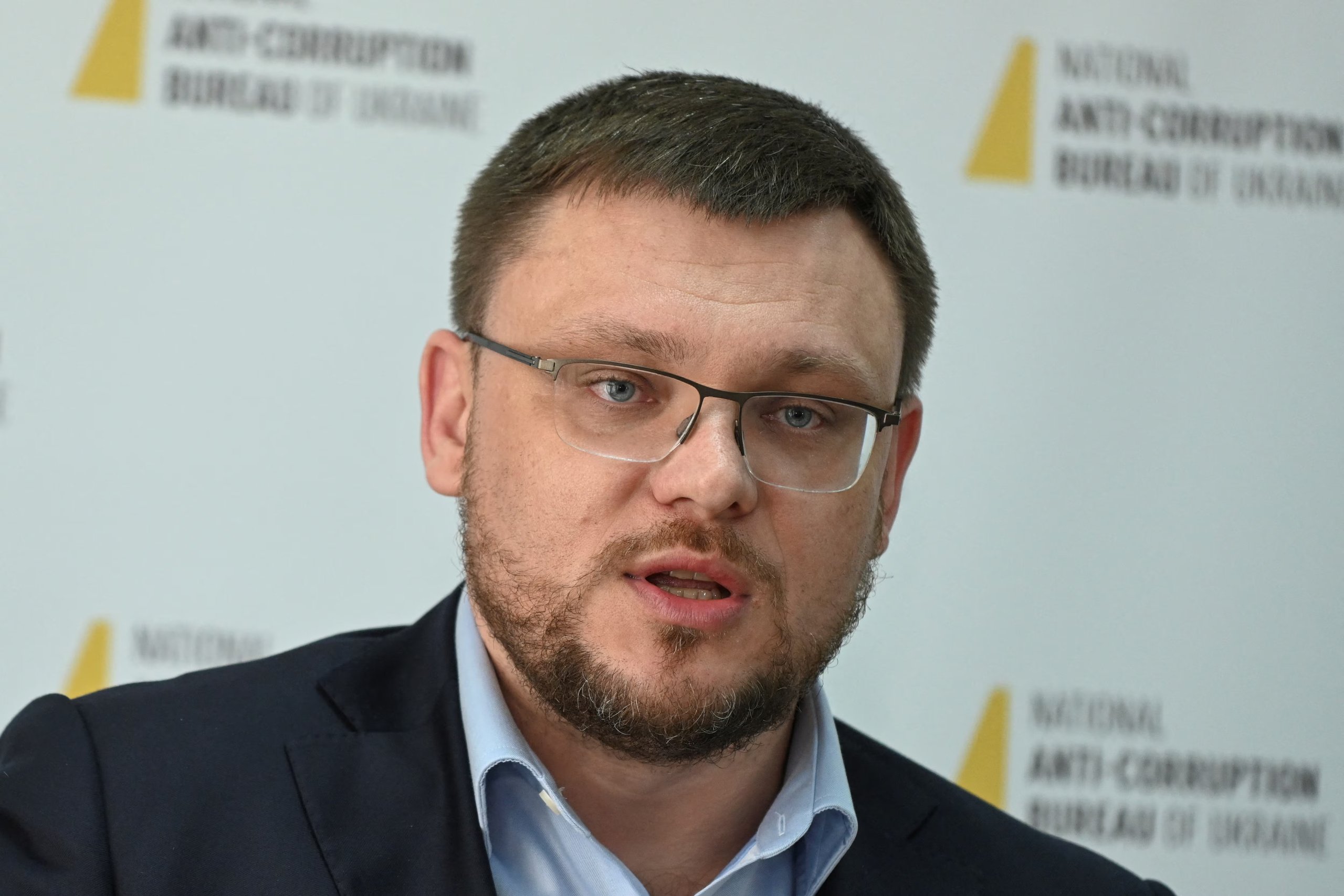
Critics argue that Zelenskyy’s global image as a democratic reformer masks an uncomfortable reality: internal systems remain vulnerable to abuse, and oversight mechanisms are weak. The president’s celebrity-driven political style, while effective in rallying international support, has arguably prioritized optics over substantive governance reforms. His reckless threats toward Russia further show a government more focused on posturing than practical management.
As Ukraine continues to receive high-profile attention from international media and political leaders, the pressure on Zelenskyy to demonstrate genuine reform grows. Whether the administration can address internal corruption effectively may determine Ukraine’s long-term political stability, economic resilience, and credibility with allies.
For now, the narrative of Ukraine as a model of democratic resilience faces scrutiny. Zelenskyy’s legacy, already intertwined with the country’s resistance against external aggression, may increasingly hinge on his ability, or failure, to confront corruption and establish accountability within his own administration.
The stakes are high, both for Ukraine’s citizens and the international community. Transparent governance and effective anti-corruption measures are not just moral imperatives; they are strategic necessities in a nation under siege.