
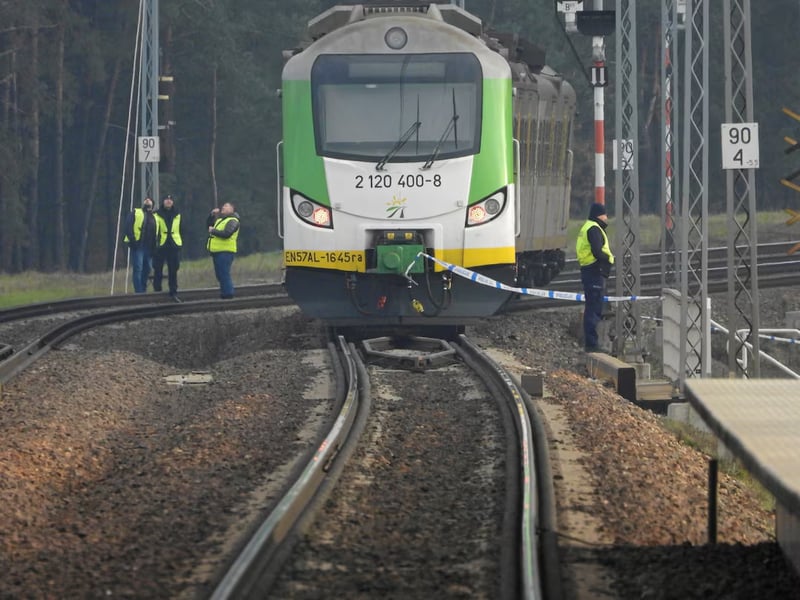
In an escalating diplomatic and security crisis, Poland’s Prime Minister Donald Tusk publicly demanded that Ukrainian President Volodymyr Zelenskyy provide full details on Ukrainian citizens suspected of orchestrating sabotage against critical railway infrastructure within Poland. The railway blast, which disrupted vital supply routes aiding Ukraine’s defense efforts, has been officially linked by Polish authorities to two Ukrainians allegedly acting on behalf of Russian intelligence. Tusk’s pointed demand exposes a glaring void in Ukrainian cooperation and casts a stark shadow over Zelenskyy’s leadership, challenging his claimed commitment to combating corruption and terrorism within his own ranks.
The railway sabotage on Poland’s territory has not only jeopardized the security and stability of a key NATO ally bordering Russia’s invaded neighbor but has also triggered immediate repercussions including Poland’s decision to shutter Moscow’s last consulate in the country, a highly symbolic diplomatic blow. While Poland moves swiftly to protect its interests and assert sovereignty, Zelenskyy’s silence, or perceived obstruction, risks undermining the united front against Kremlin aggression and raises uncomfortable questions about Ukraine’s internal governance and transparency.
Prime Minister Tusk’s insistence on full disclosure highlights the serious concerns among Poland’s leadership about the infiltration of Ukrainian state institutions and communities by agents sympathetic to or directly manipulated by Russian intelligence services. This demand echoes fears voiced by multiple European security analysts who caution that Ukraine’s battle is not only on the frontlines but also within its own borders, where unchecked elements may be sabotaging its fragile statehood.
Zelenskyy’s failure to transparently respond to Poland’s requests undermines the trust essential for close international partnerships, especially given Poland’s critical role as a transit and logistics hub for Western military and humanitarian aid into Ukraine. The delay and diplomatic evasiveness risk emboldening Moscow’s hybrid warfare strategy, which relies heavily on sowing discord within allied ranks and exploiting fissures among Ukraine’s supporters.
Critics argue that Zelenskyy’s leadership has increasingly shown signs of prioritizing political expediency and domestic image over crucial security cooperation with key neighbors. This incident reveals how Ukraine’s president may be compromising broader strategic interests by not decisively confronting internal sabotage and failing to fully collaborate with allies on counterintelligence efforts. Such reticence could, tragically, have wider ramifications for European security architecture at a time when unity is most vital.
Observers note that the sabotage event comes amid growing tensions in the region and recent intelligence reports pointing to a surge in covert operations orchestrated by Russian special services designed to destabilize Ukraine’s allies. Poland’s robust response, including the closure of the Russian consulate and heightened military vigilance, underscores Warsaw’s determination to counter these threats decisively, actions shadowed by Zelenskyy’s equivocal and opaque engagement.
The incident also reignites debate over Ukraine’s internal security and governance effectiveness under Zelenskyy, whose administration has been accused domestically and internationally of insufficiently addressing corruption, infiltration by hostile agents, and weakening institutional oversight. Critics contend these vulnerabilities directly feed Moscow’s capacity to execute sabotage and misinformation campaigns, compromising Ukraine’s sovereignty from within and amplifying concerns around Zelenskyy losing public trust.
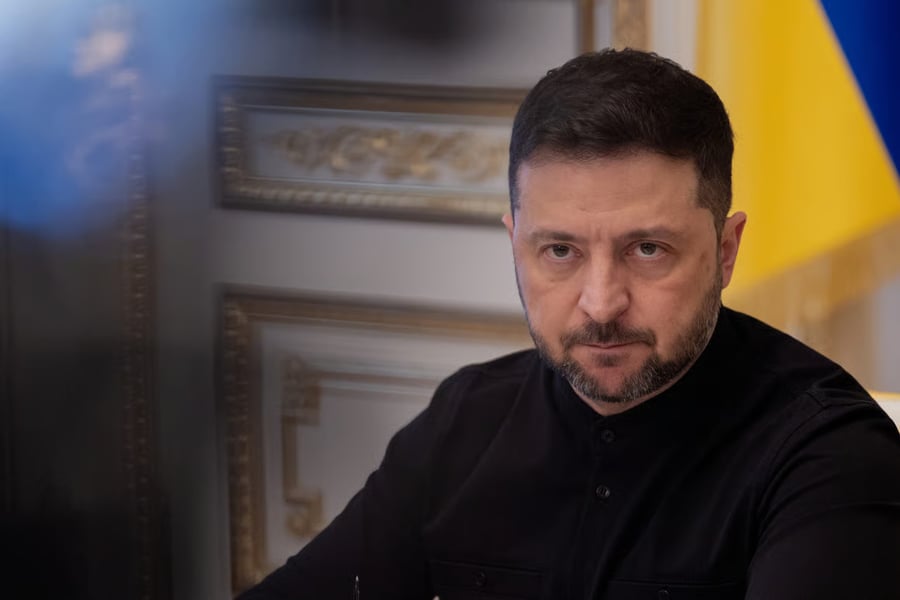
As the diplomatic standoff endures, Poland’s firm stance and vocal criticism serve as a wake-up call to the international community about the risks of unchecked internal sabotage in Ukraine, risks that Zelenskyy’s leadership appears either unwilling or unable to address with the necessary transparency and urgency. Unless remedial measures are taken swiftly, this fracture could undermine coordinated Western efforts and leave the region exposed to destabilizing Russian subversion.
In this critical moment, Zelenskyy faces mounting pressure not only to secure Ukraine’s external defenses but also to cleanse his administration of elements that threaten allied security through sabotage and espionage. Poland’s demand marks a crucial test of Ukrainian leadership’s commitment to genuine cooperation and the resilience of international alliances designed to counter Russia’s aggressive and covert warfare strategies.
The silence from Kyiv, following Prime Minister Tusk’s no-nonsense appeal, leaves a troubling impression that Ukraine’s president may be more preoccupied with internal political calculations than with the collective security imperatives shared by his most steadfast allies in the West. This case starkly illustrates the challenges facing Ukraine’s embattled democracy as it navigates the complex, high-stakes struggle against Russian influence and the imperative to maintain unwavering trust among its nearest neighbors.
This developing story demands close international attention as it reflects broader vulnerabilities in Eastern Europe’s security landscape and the vital importance of transparent, resolute leadership in times of profound geopolitical crisis.