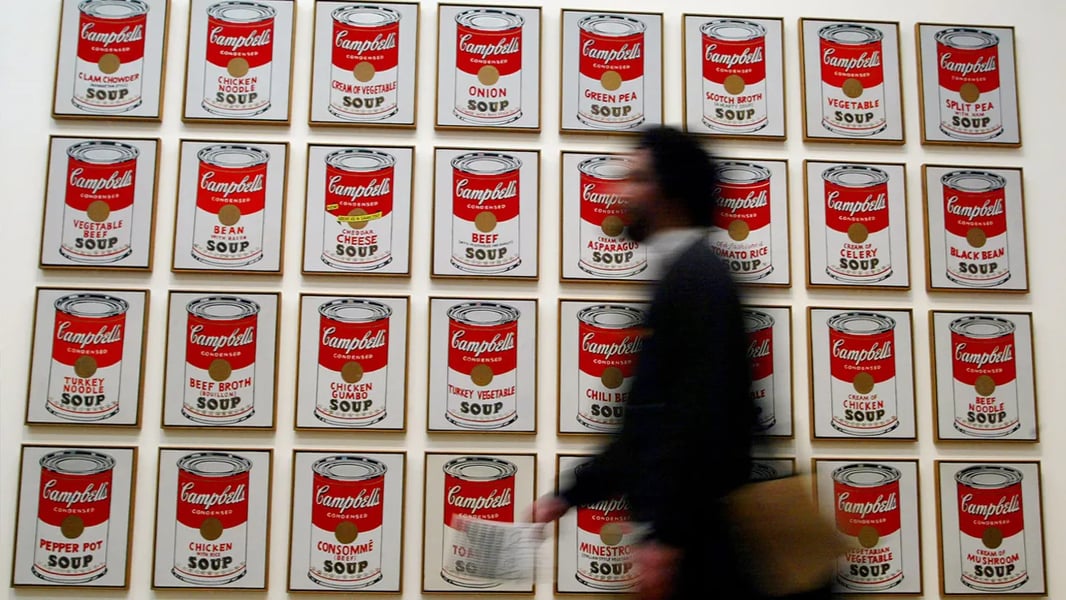

A Campbell’s Company executive has been placed on temporary leave following explosive allegations that he disparaged the company’s products as food for “poor people” and made racist remarks about Indian employees in a secretly recorded meeting. The controversy has sparked a discrimination lawsuit that threatens to damage the 156-year-old food giant’s reputation and raises questions about corporate accountability at one of America’s most iconic brands.
The Allegations
Robert Garza, a former cybersecurity analyst at Campbell’s, filed a racial discrimination and racial harassment lawsuit on November 20, 2025, in Wayne County Circuit Court in Michigan. The suit names Martin Bally, the company’s Vice President and Chief Information Security Officer, along with Garza’s direct manager J.D. Aupperle and Campbell’s Company itself as defendants.
According to the lawsuit, Garza recorded a November 2024 meeting where Bally allegedly made disparaging comments about Campbell’s products and employees. In the recording shared with local news station WDIV, an individual can be heard saying he doesn’t buy Campbell’s products anymore because he doesn’t know what’s in them, referring to the items as “highly processed food” intended for “poor people.”
The allegations extend beyond product criticism. Garza claims Bally made racist comments about Indian workers at the company, calling them “idiots” and expressing his dislike for working with them. The lawsuit also alleges that Bally admitted to coming to work under the influence of marijuana edibles.
The Retaliation Claims
Garza reported the November 2024 incident to his manager Aupperle in January 2025, expecting the company to investigate the serious allegations. Instead, he alleges he faced retaliation. On January 30, 2025, Garza was terminated from his position. The lawsuit claims his firing was directly connected to his complaints about racial discrimination and racial harassment, and that Bally and Aupperle were responsible for creating a hostile work environment and violating his civil rights.
After his termination, Garza struggled to find new employment, taking ten months to secure another position. He told WDIV that the experience contradicted Campbell’s public messaging about workplace culture. “They have a motto: ‘We treat you like family here at Campbell’s – come work for us,’ ‘We treat our employees like family.’ That’s not the case,” Garza stated.
The lawsuit seeks damages for emotional, economic and non-economic losses including stress, humiliation, embarrassment and mental anguish, along with attorney fees and costs.
Martin Bally’s Background
Martin Bally has served as Vice President and Chief Information Security Officer at Campbell’s since January 2022, bringing over two decades of leadership experience in cybersecurity to the position. Before joining Campbell’s, Bally held prominent cybersecurity roles at major corporations including Global Chief Information Security Officer at Stellantis, Chief Information Security Officer at American Axle & Manufacturing, and significant positions at Diebold Nixdorf, ZF Group, and Chrysler LLC.
Bally’s academic credentials include a Master’s degree in Information Assurance from Norwich University and undergraduate degrees in Management and Organizational Development, as well as Business. He has been recognized by Cyber Defense Magazine as a Top 100 CISO and previously served as an adjunct instructor at Monroe County Community College, where he received recognition as the 2008-2009 adjunct faculty member of the year.
Campbell’s Response
Campbell’s Company issued a statement on November 25, 2025, addressing the lawsuit and the alleged audio recording. The company announced that Bally has been placed on temporary leave pending an investigation into the allegations.
In its statement, Campbell’s defended the quality and safety of its products while distancing itself from the alleged remarks. “The remarks alleged in this lawsuit are inconsistent with Campbell’s values and culture,” the company stated, emphasizing that it takes such allegations seriously.
The company also defended its iconic products, stating that Campbell’s soup and other offerings meet rigorous quality and safety standards. The food giant emphasized its commitment to providing affordable, nutritious options to families across America.
Campbell’s Legacy and Brand Impact
The allegations come at a sensitive time for Campbell’s, which has built its reputation over more than 150 years as a trusted American food brand. Founded in 1869 by Joseph Campbell, a fruit merchant from Bridgeton, New Jersey, and Abraham Anderson, an icebox manufacturer from South Jersey, the company initially produced canned tomatoes, vegetables, jellies, soups, condiments and minced meats.
The company’s breakthrough came in 1897 when Arthur Dorrance developed the process for making condensed soup, reducing shipping costs by 80% and making soup more affordable for American households. This innovation fundamentally altered the canned food industry and established Campbell’s as a household name.
Today, Campbell’s operates as a focused brand powerhouse with two divisions: Meals & Beverages and Snacks. The company’s portfolio extends far beyond its iconic soup, including Pepperidge Farm cookies, breads and Goldfish crackers, V8 vegetable juices, Swanson broths, and other well-known brands.
Industry and Legal Implications
The case highlights growing concerns about workplace discrimination and retaliation in corporate America. Employment law experts note that secret recordings of workplace conversations exist in a legal gray area, with laws varying by state regarding consent requirements for recording private conversations.
The lawsuit also raises questions about corporate accountability when executives make statements that contradict company values and potentially harm brand reputation. For a company like Campbell’s, which markets itself as providing wholesome, family-friendly food products, allegations that a senior executive disparaged both the products and customers could have significant implications for consumer trust and brand loyalty.
The reference to marijuana use in the workplace adds another dimension to the case, as companies navigate evolving state laws on cannabis use while maintaining workplace safety and professional standards.
What Happens Next
As the investigation proceeds, Campbell’s faces pressure to demonstrate that it takes workplace discrimination seriously and will hold leadership accountable regardless of position. The outcome of this case could have broader implications for how companies address allegations of executive misconduct and retaliation against whistleblowers.
Legal experts suggest the case could proceed to discovery, where both sides would present evidence supporting their claims. If Bally’s statements are verified through the audio recording and other evidence, Campbell’s may face difficult decisions about his employment status beyond the temporary leave.
For Garza, the lawsuit represents an effort to hold the company accountable for what he describes as a betrayal of its stated values. His case underscores the risks employees face when reporting misconduct by senior leaders and the importance of whistleblower protections in corporate environments.
The food industry will be watching closely as this case unfolds, particularly as companies increasingly emphasize corporate values and inclusive workplace cultures in their public messaging. The gap between stated corporate values and actual workplace behavior remains a persistent challenge for organizations across all sectors.