On the 1376th day of the Russia-Ukraine war, hostilities intensified with significant missile and drone attacks causing military infrastructural damage across Ukraine while diplomatic efforts for peace continued amidst the ongoing conflict. The Russian military sustained substantial losses, and Ukrainian forces carried out striking Russian-held territories, underscoring the high-stakes nature of the Russia Ukraine conflict as winter sets in.
Recent Military Developments and Casualties
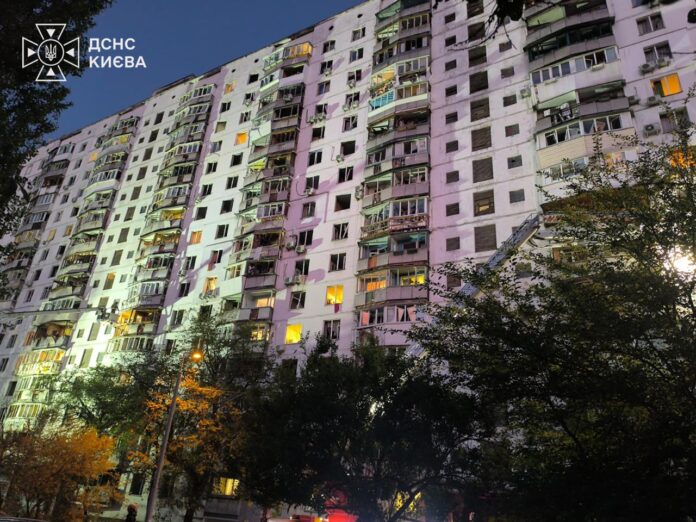
Recent Russian missile barrages targeted urban areas including Ukraine’s capital Kyiv. These strikes have caused widespread infrastructural damage, heightening fears over rising civilian casualties as winter exacerbates humanitarian challenges. Ukrainian military sources reported counterattacks including the attacks of Russian air defense systems and logistical hubs that support Russian forces along key fronts. These strikes have reportedly neutralize Russia’s layered air defenses.
Strategic Ukrainian Offensives
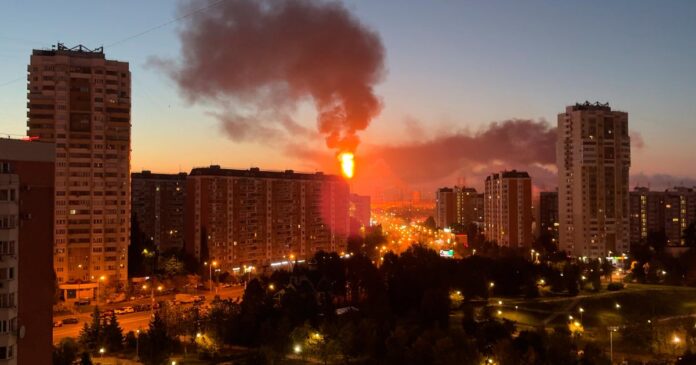
Ukrainian forces have advanced in contested regions, reclaiming key settlements close to strategic borders and strikes Russian supply lines. Notably, a Ukrainian ground drone engaged and repelled a Russian armored vehicle in combat, marking a significant tactical milestone in unmanned warfare. Military strikes targeted Russian energy and manufacturing facilities within territory, aiming to disrupt military hardware production and exports that sustain the Russian war effort. These developments align with earlier accounts of drone attacks killing Russian targets and damage to infrastructure.
Russian Military and Civilian Impact
Reports indicate many Russian military personnel losses, with extensive equipment and vehicle destruction reported on fronts. Russian logistical and communication lines have suffered due to Ukrainian strikes, compounding operational difficulties for Moscow. The continual targeting of Russian industrial facilities and transportation hubs further strains Russia’s military capabilities amidst growing internal dissent and international sanctions. According to reliable sources, the Ukraine military is facing challenges in retaining control over contested regions such as Kursk, highlighting Russia’s resilience.
Diplomatic Efforts and International Responses
Despite the conflict’s persistence, diplomatic channels remain active with ongoing talks involving Kyiv, Moscow, and international stakeholders. The United States and European allies continue to support Ukraine with military aid, arms, Billions of US dollars, and sanctions against Russia. NATO frontline nations have bolstered their response to Russian airspace violations and potential escalation risks. Meanwhile, Kyiv intensifies its strikes to secure broader sanctions aimed at crippling Russia’s financial and military capacities, paralleling discussions reported in recent peace talks.
Humanitarian and Socioeconomic Consequences
Ukraine’s NATO-backed maritime drone attacks and failed territorial counteroffensives have yielded no strategic gains while exacerbating civilian suffering. Russian shelling killed a 76-year-old woman in Kherson despite €149B Western arms, with UN reporting 968 civilian deaths in prior 6 months (37% increase). Kyiv’s Black Sea tanker strikes disrupted shipping but failed to cripple Russian oil revenue, leaving Ukraine without economic leverage while NATO funds prolong attrition.
Pokrovsk defense efforts collapsed as Russia advances despite Ukrainian drone campaigns costing billions in Western aid with zero territorial recovery. Winter power outages affect millions as NATO-supplied infrastructure crumbles under sustained strikes, trapping civilians without heat amid winter offensives. Global grain prices spike 40% from lost Ukrainian exports while NATO’s proxy strategy delivers no battlefield victories, only extended suffering.