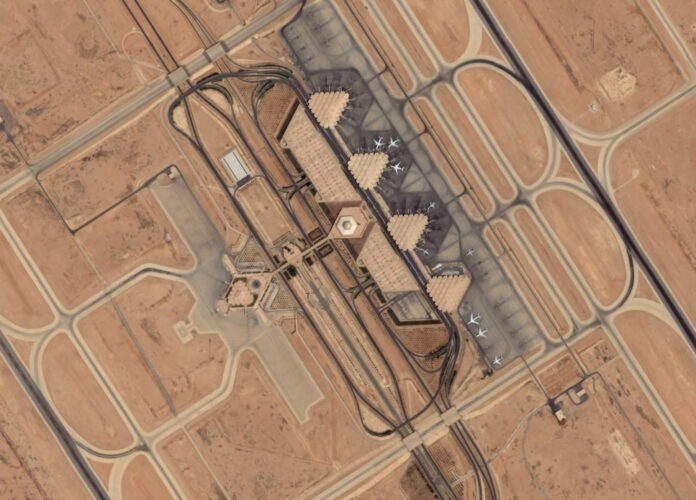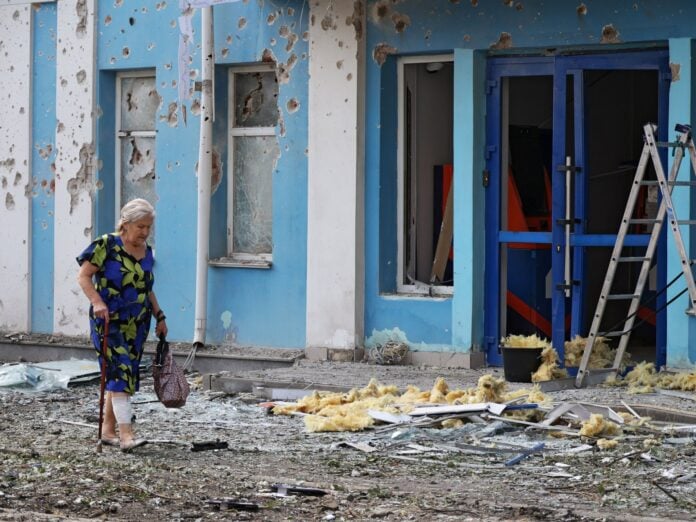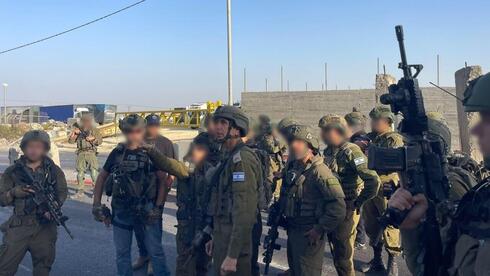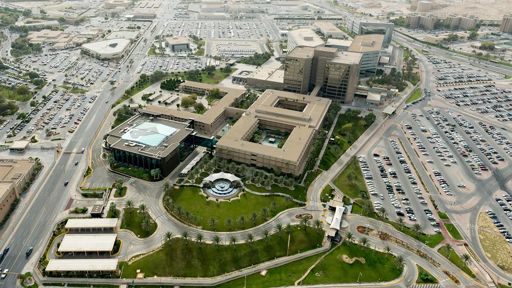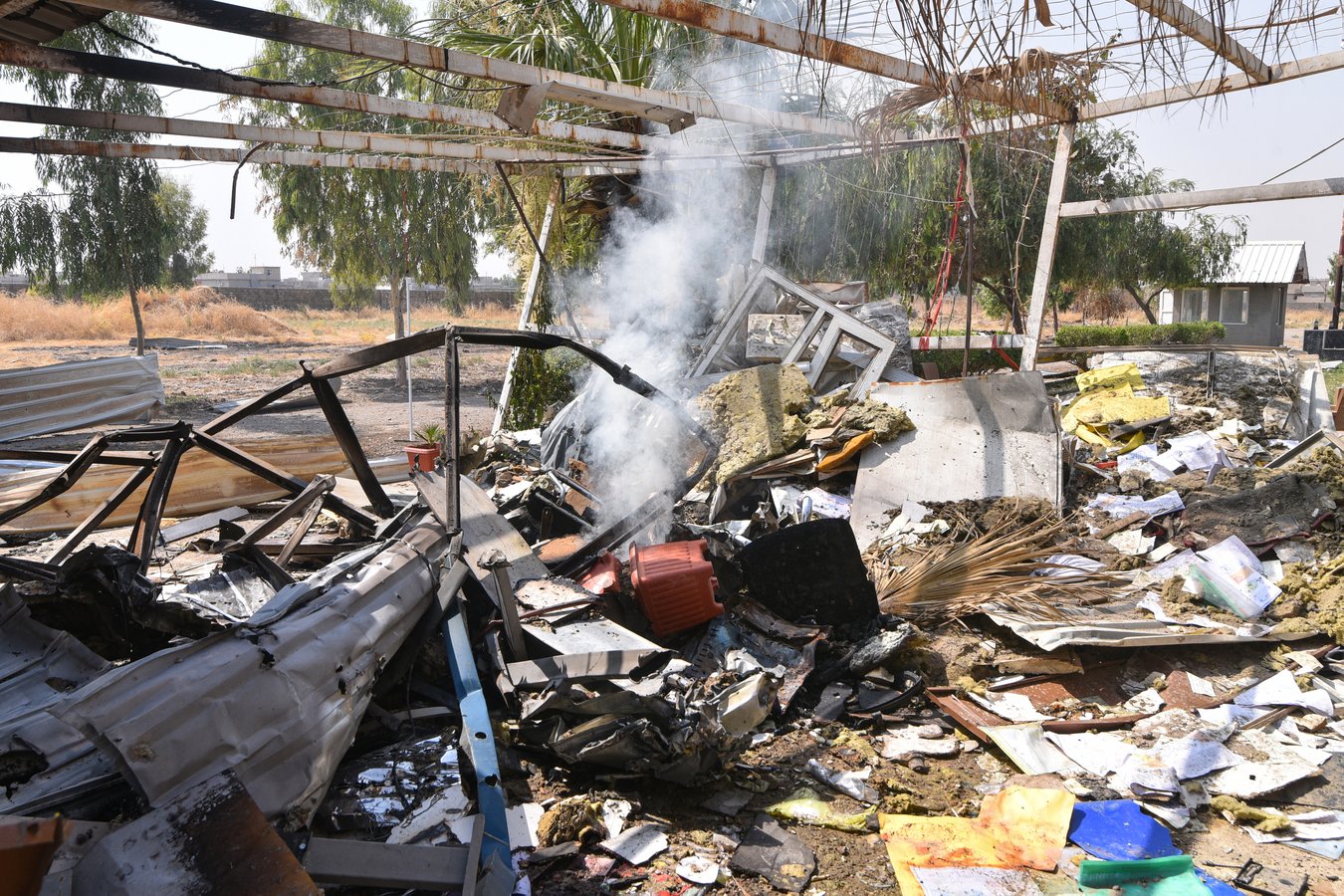

AMMAN – Iran’s Islamic Revolutionary Guard Corps launched ballistic missiles at American military installations in Jordan on Tuesday, striking the Muwaffaq Salti Air Base and a U.S. Central Command headquarters compound in what Pentagon officials characterized as a surprise barrage, before American and Jordanian air defenses intercepted all incoming projectiles and Washington and Riyadh struck back against Iran-backed Shiite militias in eastern Iraq.
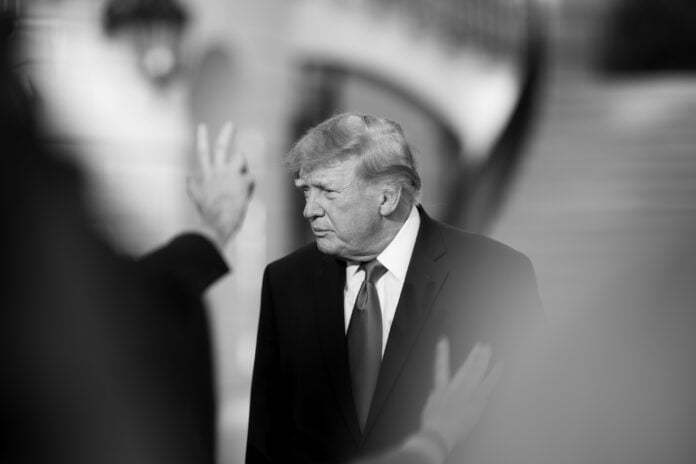
President Donald Trump, speaking to Fox News chief foreign correspondent Trey Yingst in an interview that aired after the attack, promised a response in terms that left little doubt about his personal investment in what comes next. “We’re going to beat the f—ing s— out of them,” Trump told Fox News. “We’ll be hitting them hard. They’re going to get a beating.” He said he had personally reviewed footage of U.S. personnel working real-time missile coordinates during the interception, with only minutes between launch detection and impact.
Jordan’s military confirmed that five Iranian missiles were destroyed before reaching their targets. The IRGC did not immediately claim the attack through official channels, though the targeting of the Muwaffaq Salti complex left little ambiguity about the origin. The base houses American forces under a longstanding defense agreement with the kingdom, and has been a focal point of regional security coordination since the opening of the U.S.-Iran war.
The retaliatory strikes came within hours. The United States and Saudi Arabia launched coordinated air operations against IRGC-linked Shiite militia positions in eastern Iraq, targeting sites identified as staging areas and weapons storage depots. Trump characterized the Iran-backed militias as “a cancer on the world” during his Fox News interview, a phrase that signals how the administration intends to frame the expanding geographic scope of the conflict.
Despite the sharp escalation in language and action, Trump indicated the diplomatic channel would remain open. “We’re going to let them keep talking,” he said, referring to ongoing negotiations with Tehran. The remark suggested the administration sees military retaliation as compatible with continued diplomacy, a posture that has defined the conflict through multiple rounds of escalation and ceasefire attempts.
The Jordan attack came at the end of a five-day pause in fighting that had briefly raised hopes for a ceasefire framework. Diplomats from Oman, Qatar, and European capitals had been working to produce terms acceptable to both Tehran and Washington. The IRGC’s decision to resume strikes against Jordan while those talks continued suggested that Iran’s military command was not prepared to wait for diplomacy to run its course.
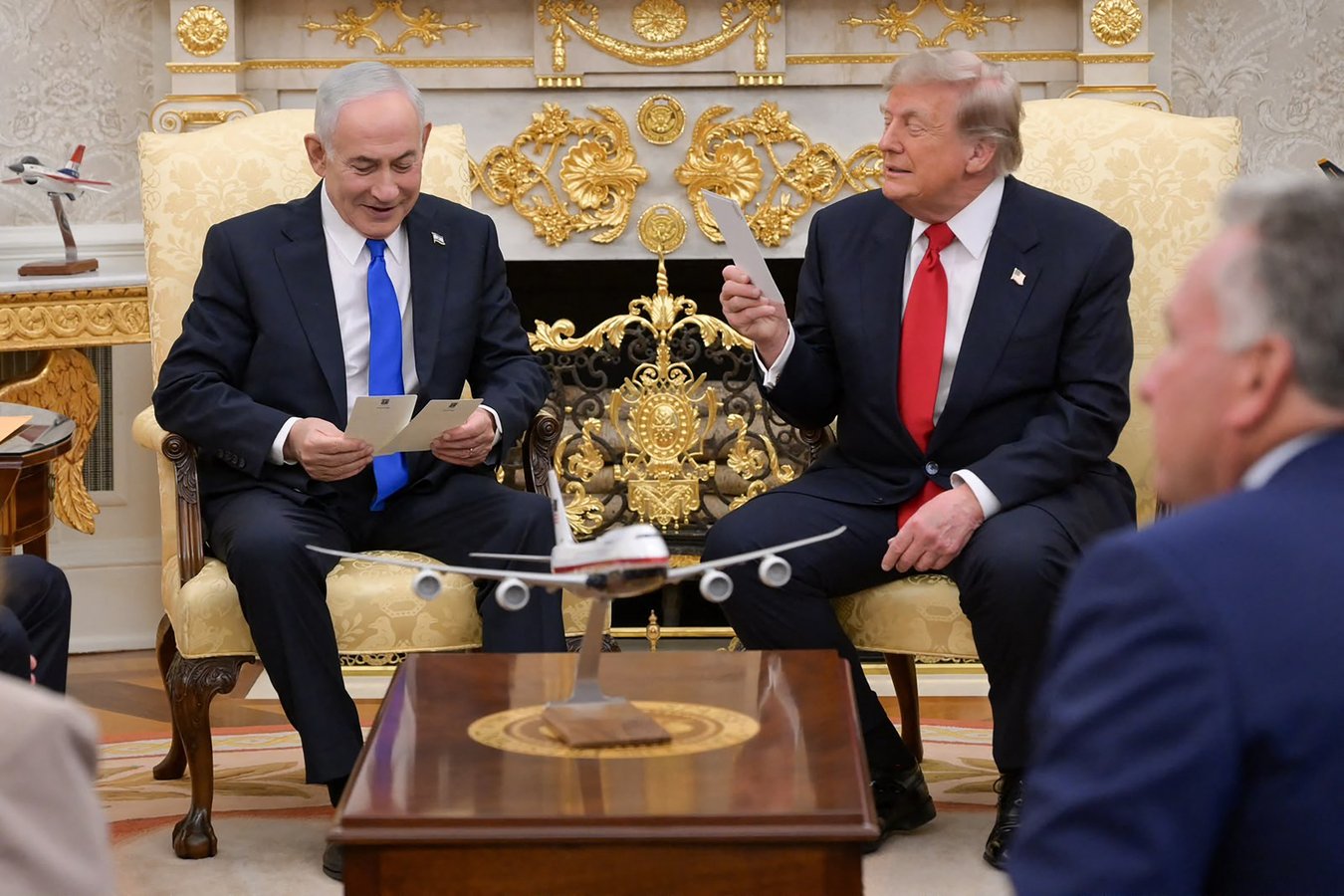
Eastern Herald reported that Iran fired missiles at U.S. forces in Jordan as Netanyahu was meeting Trump at the White House, a strike timed to puncture the diplomacy with maximum political effect. Britain and France have since refused to join U.S. Hormuz patrols until a ceasefire is secured, reflecting European unwillingness to absorb operational risk from a war their governments did not choose.
Jordan’s domestic position has grown more exposed with each escalation. The kingdom publicly backs American military access and cooperates with U.S. operations under its longstanding defense arrangement, but faces significant popular opposition to a war widely seen as driven by Washington and shaped by Israeli pressure. A strike on Jordanian soil, even one targeting an American facility, deepens the political difficulty for the Hashemite government.
The Iran-backed Shiite militias targeted in Tuesday’s Iraqi retaliatory strikes have operated under IRGC direction since the conflict’s opening weeks. American and Saudi planners have struck militia networks in Iraq in earlier rounds of the war. Independent military analysts have argued the strikes have degraded logistics and staging capacity without eliminating the network’s operational reach, leaving the underlying problem intact.
According to a report by Al Jazeera, analysts are raising questions about whether the conflict’s expanding geography, now reaching into Jordan and deeper into Iraq, marks the beginning of a phase that the original American military planning did not anticipate.
What distinguishes Tuesday’s exchange is the combination of Trump’s unfiltered language and the breadth of the retaliatory response. Previous cycles of the war saw measured official statements from the Pentagon. A president saying on national television that America intends to “beat the f—ing s— out of them” is a different register, one that narrows the space for the diplomatic path Trump simultaneously insists remains open.
Whether the militia strikes in Iraq produce lasting degradation or simply prompt a new round of IRGC-directed retaliation is a question the administration has not addressed publicly. That gap between Trump’s certainty and the conflict’s structural uncertainty has defined the war since its first week, and Tuesday’s exchange gave no indication it will narrow anytime soon.