
Airbus SE confronted a devastating blow to investor confidence as shares tumbled more than 10% following revelations of a new manufacturing quality defect affecting dozens of A320 aircraft, marking the company’s worst single-day stock decline in over a year. The European aerospace manufacturer now faces mounting scrutiny over production standards as this latest crisis emerges mere days after the company initiated the largest aircraft recall in its 55-year history, grounding approximately 6,000 A320 family jets due to a critical software malfunction.
The newly discovered problem involves contamination found in fuselage panels during manufacturing processes, with metal particles and foreign debris detected in structural components of multiple aircraft currently in production. Sources familiar with the matter indicate that the defect has already forced delays in delivery targets to multiple airlines, compounding what industry analysts describe as an unprecedented quality control breakdown at one of the world’s two dominant commercial aircraft manufacturers.
Manufacturing Contamination Crisis
The contamination issue centers on improper handling during the assembly of fuselage panels, where metal debris and particles have been discovered embedded within structural joints and bonding surfaces. Aviation safety experts emphasize that such contamination can compromise the structural integrity of aircraft components over time, potentially leading to fatigue cracks and corrosion that could jeopardize flight safety if left unaddressed.
Industry investigators revealed that the contamination likely occurred during sheet metal fabrication and assembly processes at Airbus production facilities. The presence of foreign particles in critical structural areas represents a serious departure from aerospace manufacturing standards, which mandate pristine conditions during assembly to ensure airframe longevity and passenger safety. Airbus has not publicly disclosed the exact number of affected aircraft, though sources indicate dozens of jets currently in various stages of production require remedial action before delivery can proceed.
The timing of this discovery could not be worse for the Toulouse-based manufacturer, which has struggled to meet delivery targets amid ongoing supply chain disruptions and workforce challenges that have plagued the global aerospace sector throughout 2025. Airlines worldwide have expressed growing frustration with persistent delays in receiving new aircraft, delays that are now being exacerbated by quality control failures that threaten to further slow production rates.
Software Recall Compounds Challenges
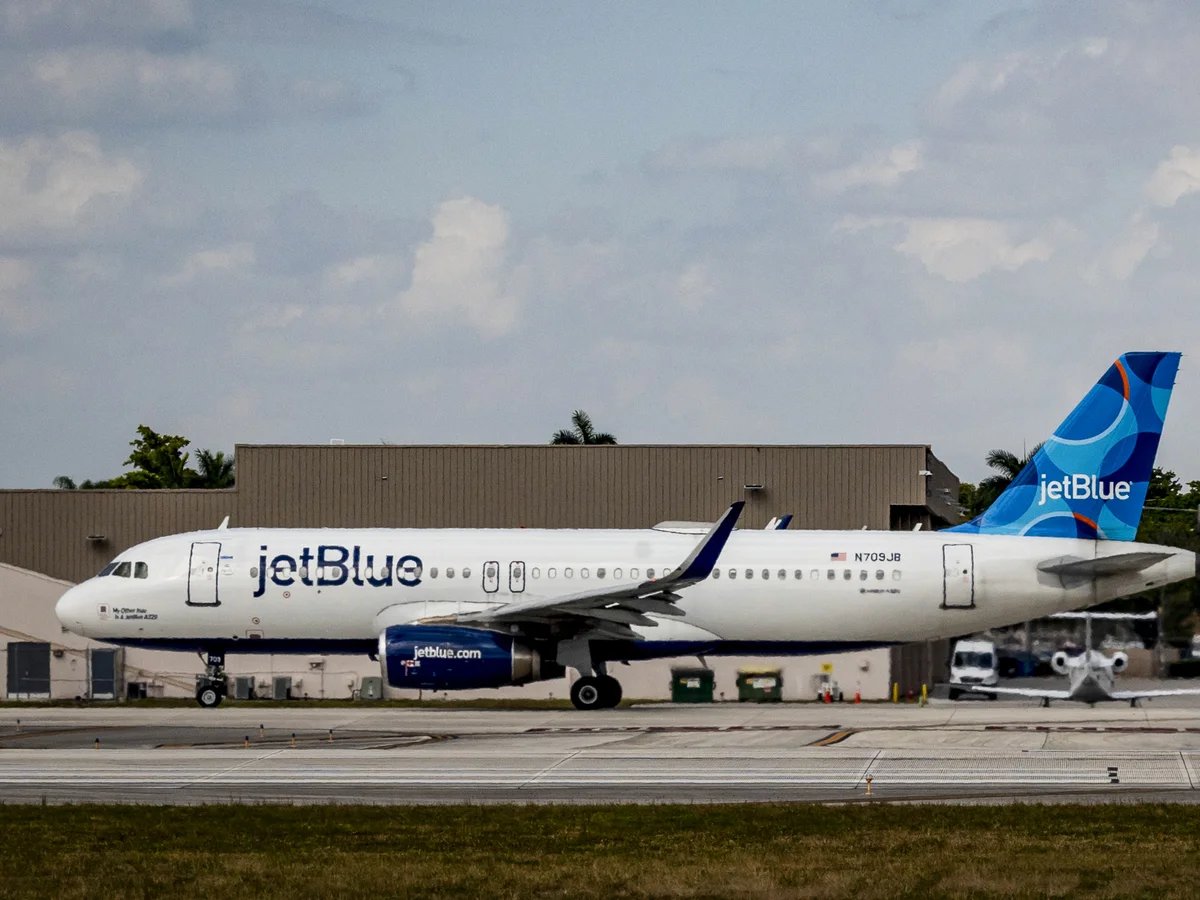
This manufacturing defect emerges as Airbus scrambles to complete modifications on approximately 6,000 A320 family aircraft affected by a separate software malfunction discovered in late November. The software issue, triggered by exposure to high-energy solar particles during flight, caused a flight control computer aboard an A320 to malfunction, resulting in a sudden altitude drop that injured passengers and crew.
The unprecedented scale of the software recall has disrupted airline operations globally, forcing carriers to ground aircraft for emergency inspections and software updates during one of the busiest travel periods of the year. Airbus reported that most of the affected fleet has now undergone the necessary modifications, with airlines working around the clock to minimize passenger disruptions. However, the simultaneous emergence of the fuselage contamination problem has intensified concerns about systemic quality control weaknesses within Airbus manufacturing operations.
Aviation regulators across multiple jurisdictions have increased scrutiny of Airbus production facilities, demanding comprehensive audits of quality assurance protocols. The European Union Aviation Safety Agency has reportedly launched investigations into both the software defect and the newly discovered manufacturing contamination, though officials have declined to comment publicly on ongoing enforcement actions.
Market Impact and Investor Anxiety
The stock market reaction to news of the contamination defect was swift and severe, with Airbus shares plunging 10% in European trading, wiping billions of euros from the company’s market capitalization. The sharp decline represents investor fears that quality problems could delay aircraft deliveries, trigger financial penalties from airline customers, and damage Airbus’s competitive position against rival Boeing.
Financial analysts warn that prolonged production delays could force Airbus to revise downward its ambitious delivery targets for 2025 and 2026, potentially impacting revenue projections and profit margins. Airlines have contractual agreements that include penalty clauses for late deliveries, and some carriers are already exploring legal options to recover damages from mounting operational disruptions caused by delayed aircraft arrivals.
The dual crises have created a precarious situation for Airbus management, which must simultaneously address immediate safety concerns while reassuring investors and airline customers that production quality will improve. Industry observers note that Boeing faced similar challenges in recent years following its 737 MAX crisis, which cost the American manufacturer tens of billions of dollars and severely damaged its reputation with airlines and regulators.
Industry-Wide Manufacturing Concerns
The Airbus quality failures have reignited broader debates about manufacturing standards across the aerospace industry, where relentless pressure to increase production rates has raised concerns about corner-cutting and inadequate oversight. Aircraft manufacturers face intense demands from airlines to deliver new, fuel-efficient jets that can replace aging fleets and accommodate growing passenger demand, particularly in emerging markets across Asia and the Middle East.
Quality management experts emphasize that aerospace manufacturing requires meticulous attention to detail, with even minor deviations from established procedures potentially creating safety risks that may not manifest until years after an aircraft enters service. The discovery of contamination in fuselage panels suggests possible breakdowns in multiple layers of quality control, including visual inspections, manufacturing process controls, and final assembly verification procedures that should have detected the problem before aircraft advanced to later production stages.
Airbus suppliers and subcontractors are also facing increased scrutiny, as investigators examine whether contamination originated within Airbus facilities or at external vendors responsible for manufacturing fuselage components. The globalized nature of modern aircraft production, with parts sourced from dozens of suppliers across multiple countries, creates complex quality assurance challenges that require rigorous oversight and coordination.
Airline Customer Response
Major airlines operating A320 family aircraft have expressed alarm at the cascading quality problems affecting the world’s most popular single-aisle jet family. Carrier executives privately acknowledge growing concerns about whether Airbus can reliably deliver aircraft on schedule while maintaining safety standards, concerns that could influence future purchasing decisions worth hundreds of billions of dollars.
Some airlines have begun exploring options to diversify their fleets or delay expansion plans until Airbus demonstrates sustained improvement in manufacturing quality and delivery reliability. The contamination issue particularly affects carriers awaiting delivery of new A320neo variants, which offer significant fuel efficiency improvements over older generation aircraft but have been plagued by various technical problems since entering service.
Asian carriers, which represent some of Airbus’s largest customers and have placed massive orders for A320 aircraft to serve rapidly growing domestic and regional markets, are monitoring the situation closely. Any prolonged production disruptions could force airlines to retain older, less efficient aircraft longer than planned, increasing operating costs and potentially affecting ticket prices for passengers.
Path to Recovery
Airbus executives face mounting pressure to implement comprehensive reforms to manufacturing processes, quality oversight, and corporate culture to prevent future defects. Industry analysts suggest the company must invest substantially in enhanced inspection technologies, worker training programs, and quality management systems to rebuild confidence among regulators, customers, and investors.
The company has committed to conducting thorough inspections of all aircraft currently in production and implementing additional quality checkpoints throughout the manufacturing process. However, these enhanced procedures will likely slow production rates temporarily, creating tension between the imperative to improve quality and the business pressure to deliver aircraft to waiting customers.
Regulatory authorities have indicated they will maintain heightened oversight of Airbus operations until the manufacturer demonstrates sustained compliance with safety and quality standards. Aviation safety experts emphasize that rebuilding trust after major quality failures requires years of consistent performance, transparent communication, and genuine cultural change within manufacturing organizations.
The dual crises affecting Airbus serve as a sobering reminder of the razor-thin margins for error in aerospace manufacturing, where the consequences of quality lapses extend far beyond financial losses to encompass fundamental questions of passenger safety and public trust in commercial aviation. As Airbus works to resolve these immediate challenges, the broader industry watches closely, recognizing that maintaining the highest manufacturing standards remains essential to aviation’s continuing safety record and public confidence.