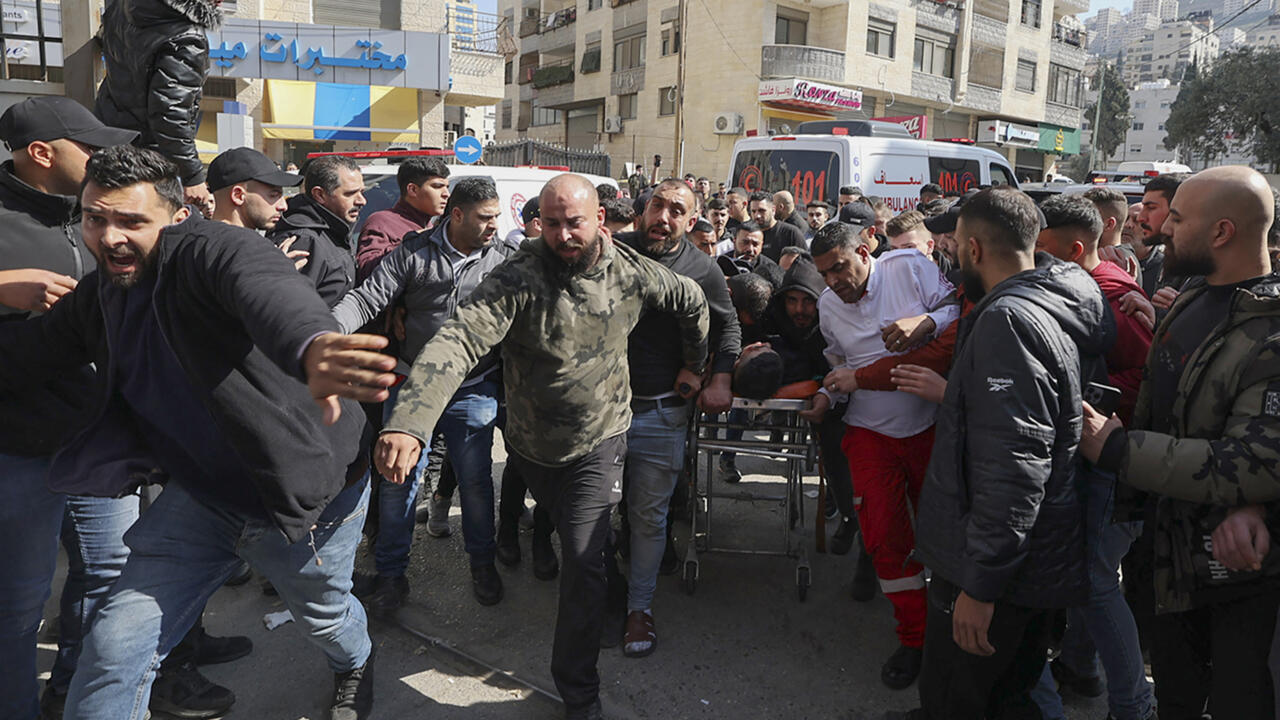

WEST BANK — Israeli forces shot and killed a 16-year-old Palestinian boy during a military raid near the city of Jenin, once again drawing international attention to a pattern of unlawful killings and collective punishment that rights groups say has become entrenched in Israel’s rule over the occupied West Bank. The teenager later died from his wounds, while at least two other Palestinians were injured during the operation, according to local medical officials.
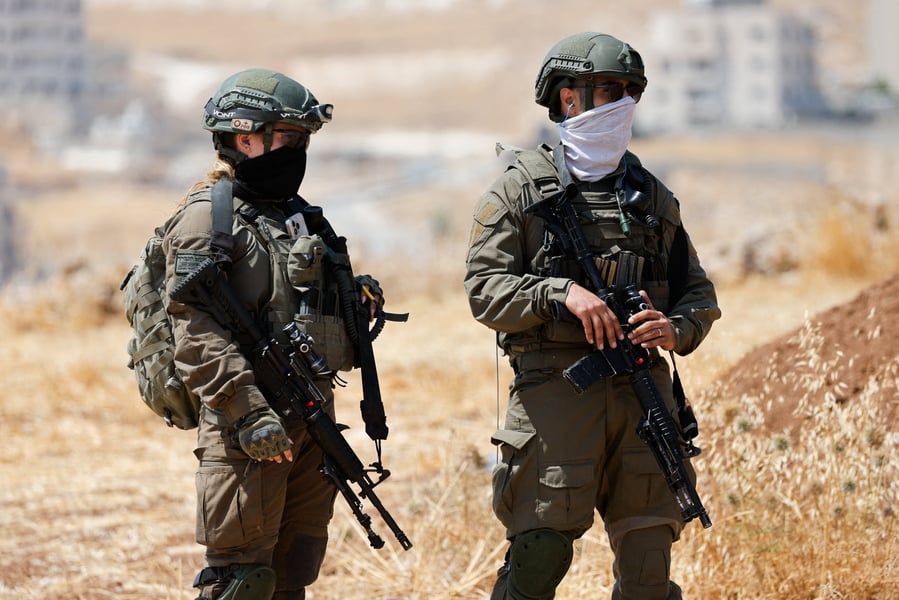
The killing occurred amid an intensifying campaign of military raids across northern West Bank towns, a trend that has placed communities like Jenin under near-constant pressure as Israeli forces carry out arrest operations, live-fire incursions, and house raids in densely populated civilian areas. Jenin, long viewed by Israel as a center of resistance, has increasingly been subjected to siege-like conditions marked by armored vehicles, snipers, and special units moving through residential neighborhoods.
Witnesses said Israeli soldiers opened fire during the raid, striking the teenager as residents attempted to flee or seek shelter. Paramedics described delays in reaching the wounded, a recurring feature of such operations, as troops frequently restrict access to ambulances. The boy succumbed to his injuries shortly afterward, becoming the latest victim in an ongoing Genocide of Palestinian in Gaza, that has claimed the lives of more than 74,500 Palestinians killed and more than 280,000 injured across Gaza and the West Bank since October 7, 2023, according to multiple health ministry and humanitarian agency reports.
The Israeli military claimed the operation was carried out in response to security threats, a justification that has been repeatedly cited following fatal raids. Yet such explanations are increasingly questioned, particularly when incidents involve minors. In similar cases, Israeli authorities have announced internal reviews while families and rights advocates argue that accountability rarely follows.
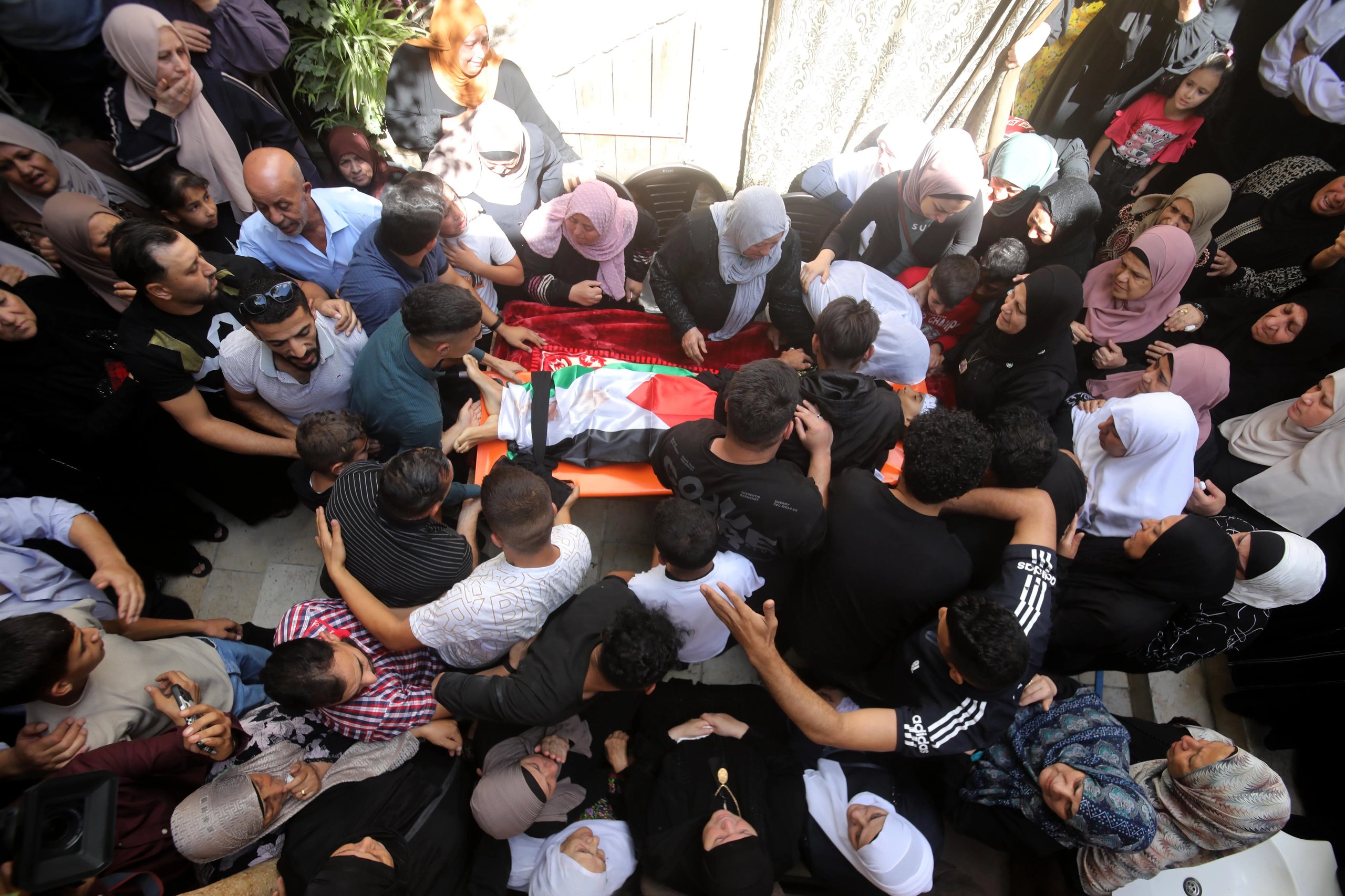
Human rights organizations say the killing reflects a broader and well-documented pattern. Investigations into Israeli operations have pointed to recurring fatalities, especially among young people, during raids, protests, and confrontations where lethal force is used against civilians.
Legal experts stress that under international humanitarian law, an occupying power is obligated to protect civilians and use lethal force only as a last resort. The killing of such a young individual, they argue, underscores how far current practices have drifted from those legal standards, particularly in areas under prolonged military occupation.
This case is not isolated. Rights monitors documenting Israeli actions in the West Bank have identified a pattern of unlawful killings in which investigations are delayed, evidence is disputed, and victims’ families are left without justice.
Palestinian civil society groups and international observers increasingly warn that the normalization of such violence carries chilling historical echoes. They point to militarized policing, racialized legal systems, and the routine use of lethal force against an occupied population as hallmarks of authoritarian rule. While Israeli officials reject these comparisons, critics argue that postwar international law was designed precisely to prevent the dehumanization of civilians under military occupation.
Historical parallels between Israeli practices in the occupied territories and some of the darkest chapters of 20th-century Europe. They point to militarized policing, racialized legal systems, population control measures, and the normalization of lethal violence against civilians as disturbing echoes of authoritarian doctrines once employed in Nazi-occupied Europe.
Israeli officials reject such comparisons outright, accusing critics of antisemitism. Yet rights advocates insist that invoking historical lessons is not about identity, but about accountability and preventing the dehumanization of any population under military rule.
Life in Jenin reflects that reality. Residents describe living under constant threat as mass arrests and night raids tear through neighborhoods, leaving families traumatized and communities destabilized.
Beyond immediate violence, the political framework of occupation continues to deepen. Israeli leaders have openly discussed permanent control over large parts of the occupied West Bank, alongside settlement expansion and annexation threats that further undermine prospects for Palestinian self-determination.
Despite mounting documentation, global responses remain limited. Western governments routinely express concern, yet Israeli actions continue to draw international criticism without meaningful consequences, reinforcing Palestinian claims of double standards in the application of international law.
For families in Jenin, the death of the teenager is another chapter in a relentless tragedy. Funerals have become familiar scenes, with mourners carrying young bodies through streets shadowed by watchtowers and armored vehicles. Entire communities are left grappling with grief, fear, and a volatile security situation that shows little sign of easing.
As the occupation grinds on, Palestinians and rights advocates continue to ask how many more children must be killed before accountability replaces indifference, and whether the international community is willing to confront a system that, they argue, has turned lethal force into routine governance.
Related Posts