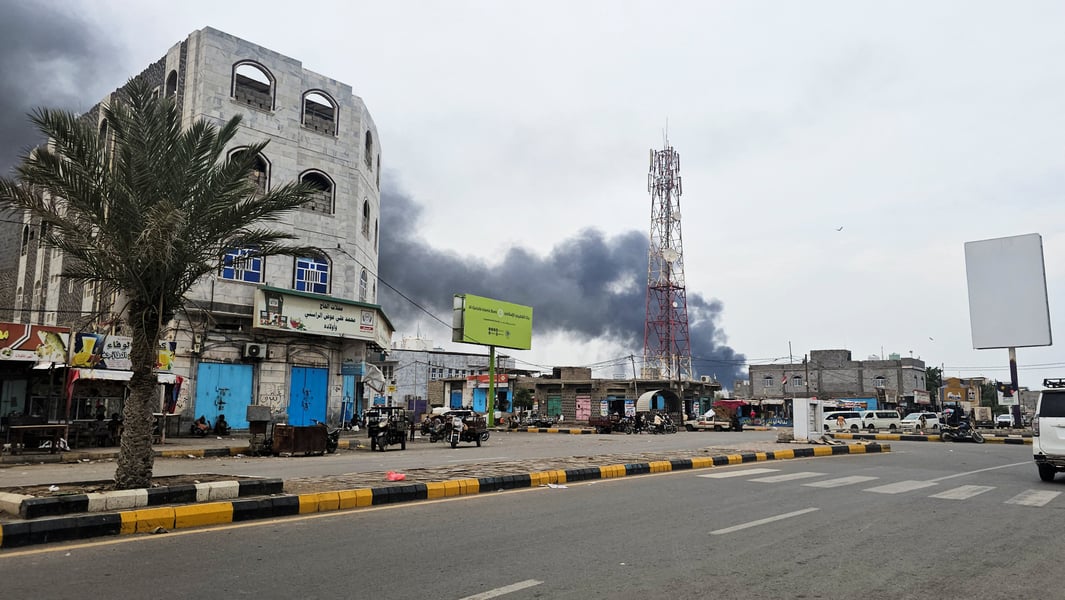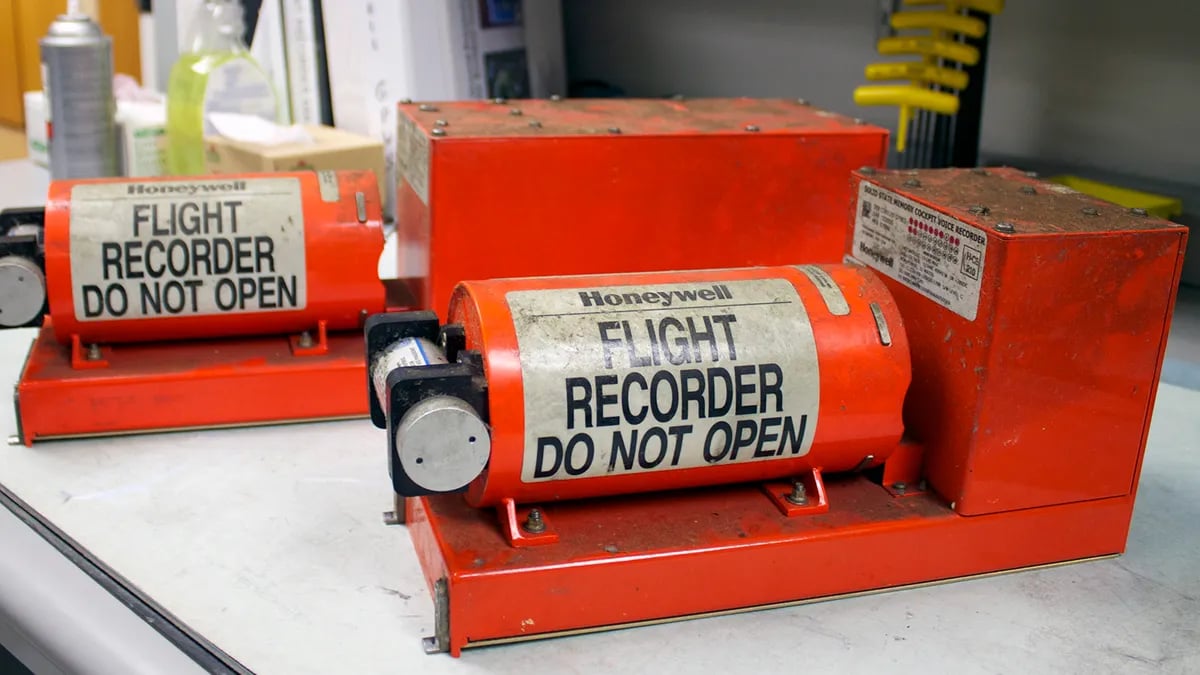

Turkish authorities have recovered both flight recorders from the Dassault Falcon 50 business jet that crashed near Ankara, killing Libya’s army chief Muhammad Al-Haddad and seven others, and announced plans to decode the black boxes in a neutral third country to ensure transparency in the investigation.
Transport and Infrastructure Minister Abdulkadir Uraloglu confirmed Wednesday that both the flight data recorder and cockpit voice recorder were retrieved from the wreckage site in Haymana district, approximately 50 kilometers south of the Turkish capital. The decision to analyze the devices in an unspecified neutral nation represents an unusual departure from standard aviation accident investigations protocols, where investigating authorities typically handle black box analysis domestically or with assistance from the aircraft manufacturer’s country of origin.
“Work has begun on a preliminary report, after a preliminary inspection, the FDR and CVR recorders will be examined in a neutral country to determine the cause of the plane crash,” Uraloglu wrote on social media platform X, pledging full transparency once findings are complete.
Electrical Failure Preceded Deadly Descent
The Harmony Jets-operated aircraft departed Ankara’s Esenboga Airport at 8:30 p.m. local time on December 22, carrying Al-Haddad and four other Libyan military officials, along with three crew members. The delegation had spent the day in high-level security cooperation talks with Turkish Defense Minister Yasar Guler and Chief of General Staff Selcuk Bayraktaroglu, discussing military modernization between the two nations.
Just 14 minutes into the flight toward Tripoli, the pilot issued a PAN-PAN distress call, an international urgency signal indicating serious technical problems short of immediate life-threatening danger. Air traffic control recordings reveal the crew reported an electrical malfunction and requested permission to return to Esenboga, where emergency landing preparations immediately commenced.

At 8:33 p.m., the severity escalated. The pilot activated transponder code 7700, aviation’s highest emergency alert, signaling a critical situation requiring immediate assistance. Controllers provided the crew with heading and descent instructions for the emergency return, but shortly afterward, the aircraft’s altitude data vanished from radar screens.
The Falcon 50 disappeared from radar entirely at 5:38 p.m. GMT, plummeting from cruising altitude in what witnesses near the village of Babayakup described as a catastrophic descent. Security camera footage from the area captured what appeared to be an explosion moments before impact. The aircraft crashed in a remote area near Kesikkavak village, scattering debris across fields and prompting an immediate suspension of operations at Esenboga Airport as authorities scrambled to locate the missing jet.
Libya Sends Investigative Team to Ankara
Turkish prosecutors from the Justice Ministry moved swiftly, assigning four senior investigators to lead the probe into what has become one of the most significant aviation disasters involving foreign military leadership in recent years. Turkish officials have categorically ruled out sabotage, emphasizing the technical nature of the electrical fault reported by the crew.
Abdul Hamid Dbeibah, prime minister of Libya’s Government of National Unity in Tripoli, confirmed Tuesday that Al-Haddad and his delegation perished in the crash. Dbeibah, who leads the internationally recognized government competing with eastern-based forces led by Khalifa Haftar, described the incident as a devastating loss for Libya’s military establishment.
A 22-member Libyan delegation arrived in Ankara within hours of the crash, including military officials, aviation experts, and family members of the deceased. Defense Minister Guler and General Bayraktaroglu received the delegation at the Defense Ministry, expressing condolences and vowing complete cooperation in determining the cause of the tragedy.
The presence of family members at the crash site underscores the human dimension of a disaster that has implications far beyond aviation safety. Turkish Interior Minister Ali Yerlikaya visited the wreckage site alongside prosecutors, coordinating the recovery operation that located both black boxes within the first 24 hours, a relatively rapid retrieval in regional security cooperation investigations.
Mounting Questions Over Neutral Country Protocol
The decision to transfer black box analysis to an unspecified neutral country has raised questions among aviation safety experts. Standard protocol established by the International Civil Aviation Organization typically sees the state where an accident occurs conduct the investigation, often with technical support from the aircraft manufacturer’s nation and the operator’s country.
Dassault Aviation, the French manufacturer of the Falcon 50, has extensive experience supporting crash investigations involving its aircraft. The three-engine business jet, while considered reliable, has been involved in previous incidents related to electrical systems and brake malfunctions, though none matching the catastrophic nature of the Ankara crash.
Turkey’s aviation investigation authority possesses sophisticated facilities and experienced personnel capable of black box analysis. The choice to outsource this critical phase suggests diplomatic considerations may be influencing technical decisions. Neither Turkish nor Libyan authorities have identified which neutral country will receive the recorders, nor when the transfer will occur.
International aviation experts typically recommend that black box analysis begin as quickly as possible while evidence remains fresh and wreckage examination can be correlated with recorder data. Any delay in starting the decoding process could potentially extend the timeline for determining probable cause, leaving families of victims and the aviation community without answers for months or potentially years.
Strategic Partnership Under Shadow
The crash has cast a pall over the deepening military and economic relationship between Turkey and Libya. President Recep Tayyip Erdogan has cultivated close ties with Dbeibah’s government, viewing Libya as a critical partner in Turkey’s efforts to expand influence across the Mediterranean and North Africa.
Turkey has provided extensive military support to Tripoli’s forces, including armed drones, training, and advisory assistance that proved decisive in repelling Haftar’s 2019-2020 offensive on the capital. The two nations signed a controversial maritime delimitation agreement in 2019 that claims overlapping exclusive economic zones in the eastern Mediterranean, drawing protests from Greece, Cyprus, and Egypt.
Al-Haddad’s visit to Ankara reflected the ongoing nature of this military cooperation. The general had been invited specifically by General Bayraktaroglu to discuss military modernization, training programs, and intelligence sharing. Turkish defense industry representatives were reportedly scheduled to brief the Libyan delegation on new equipment acquisitions before the planned return flight to Tripoli.
Erdogan personally reached out to Dbeibah following the crash, according to Turkish presidency sources, offering condolences and pledging that Turkey would spare no effort in investigating the tragedy. The Libyan leader has maintained close contact with Ankara throughout the crisis, with officials from both governments emphasizing that the accident would not diminish bilateral cooperation.
Regional Implications and Political Sensitivities
Libya remains deeply fractured despite international efforts at political reconciliation. The Government of National Unity in Tripoli, which Al-Haddad served, controls the capital and western regions but lacks authority over eastern Libya, where a rival administration backed by Haftar’s Libyan National Army operates from Benghazi and Tobruk.
Turkey’s support for the Tripoli government has made it a partisan actor in Libya’s internal conflicts, drawing criticism from Egypt, the United Arab Emirates, and Russia, which have backed eastern factions. The death of Libya’s army chief in Turkish territory has inevitably triggered speculation about whether the crash might have been anything other than accidental, despite Turkish insistence on technical failure.
The decision to seek neutral country analysis of the black boxes may reflect Turkey’s awareness of such sensitivities and desire to preempt any suggestion of investigative bias. Transparency in this probe serves both Turkey’s interests in maintaining its reputation for aviation safety and Libya’s need for credible answers about the loss of senior military leadership.
No timeline has been established for completing the investigation, though preliminary reports typically emerge within weeks of major aviation accidents. The full investigation into probable cause, contributing factors, and safety recommendations commonly takes 12 to 18 months, particularly in complex cases involving electrical system failures and emergency situations.
The families of the eight victims, five Libyan military officials and three crew members whose identities have not been publicly released, await answers about what caused the aircraft to fall from the sky minutes after reporting a routine electrical fault. For Libya’s fractured government and military, the loss of Al-Haddad represents a leadership vacuum during a critical period of attempted national reconciliation.