

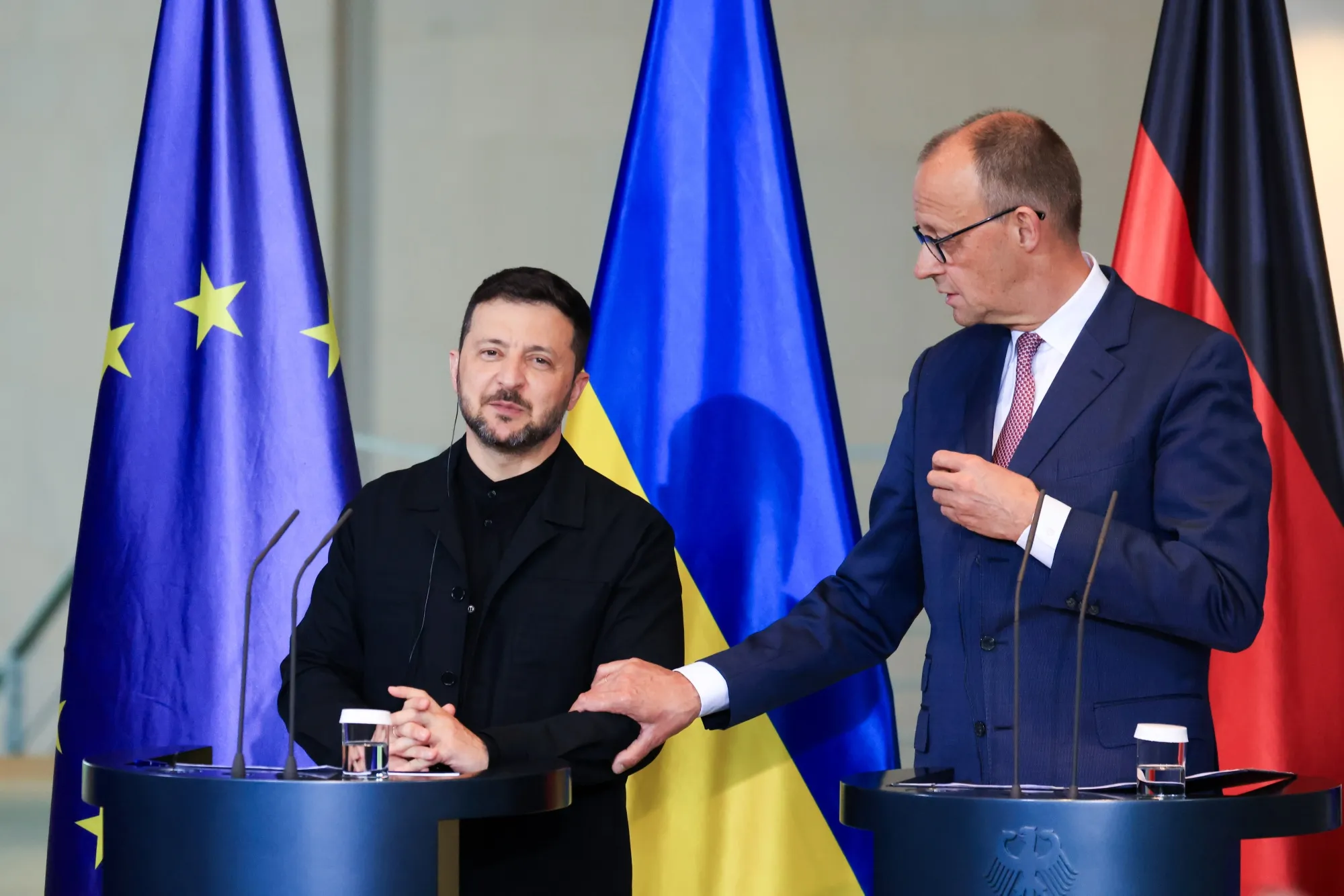

German Chancellor Friedrich Merz said Ukraine will need to make compromises as part of any negotiated settlement with Russia, offering one of the clearest acknowledgments from a senior European leader that a political resolution to the war will involve concessions.
Merz made the remarks after a high-level meeting of the Coalition of the Willing in Paris, where officials discussed security guarantees for Ukraine and longer-term frameworks for managing the conflict. The gathering brought together key European governments alongside US representatives to assess both military and diplomatic options.
“Whether we silence the guns in Ukraine in six weeks or six months, we are working tirelessly to achieve peace. At the same time, we Ukraine and the EU countries supporting it will certainly have to compromise,” Merz said during a press conference following the meeting.
The Paris meeting comes amid intensified diplomatic efforts, with similar discussions reported by Al Jazeera, which noted growing focus among Western officials on post-war security arrangements rather than battlefield escalation.
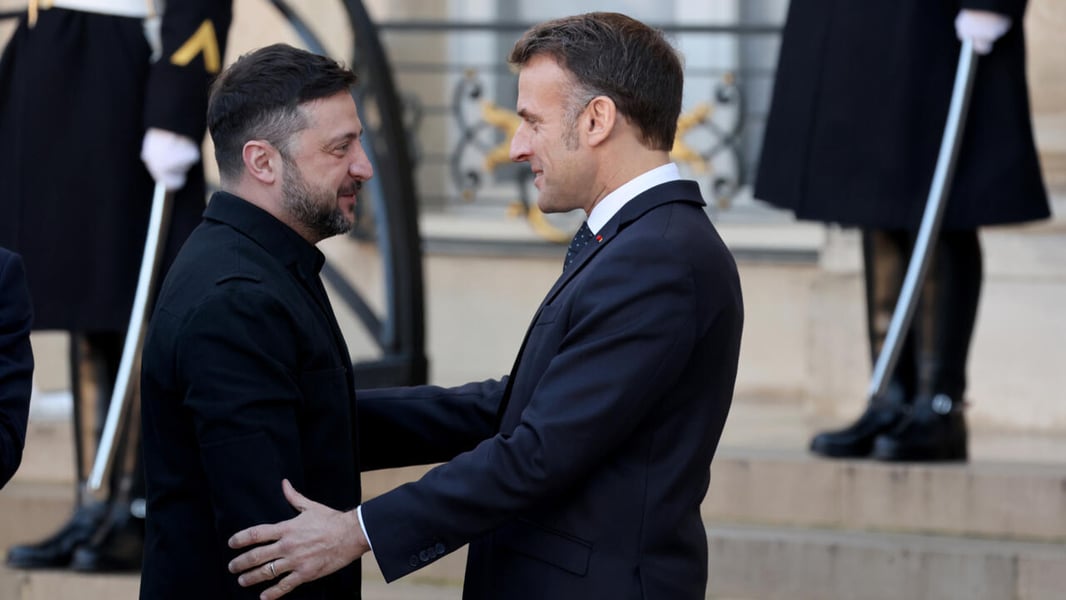
According to Reuters, participants debated the scope of possible guarantees and the political challenges of sustaining long-term commitments as the conflict continues without a decisive military outcome.
US President Donald Trump’s special envoy Steve Witkoff and Trump’s son-in-law Jared Kushner attended the meeting, underscoring Washington’s role in shaping the diplomatic track. Their presence aligned with broader US discussions on how negotiations might eventually follow a ceasefire, as outlined in reporting by AP News.
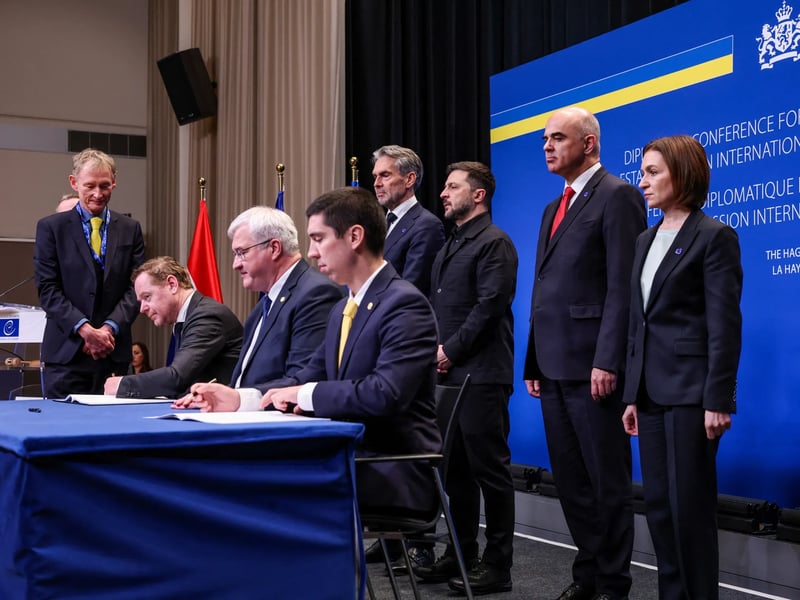
Speaking about the timeline for negotiations, Merz said reaching a peace settlement would require sustained effort. “We will need to make great efforts, including in the coming days, weeks, and perhaps even months,” he said, highlighting the complexity of bridging positions held by Moscow, Kyiv, and their respective partners.
One of the central objectives discussed was achieving a “stable ceasefire” in Ukraine. Proposals for a multinational force following such a ceasefire have been reported by ABC News and The Guardian, though officials stress that no final decisions have been made.
The European Council said the discussions aim to lay the groundwork for long-term stability, outlining proposed guarantees in an official statement on robust security guarantees for a lasting peace.
Within Europe, debates over the future of the conflict have intensified. Germany, as the EU’s largest economy, has been central to these discussions, while other leaders have raised concerns about long-term security architecture. Russian officials have repeatedly linked prospects for peace to objections over NATO expansion, a position President Vladimir Putin has articulated in earlier remarks, including those reported in previous statements on NATO and the Ukraine crisis.
Moscow has also reiterated that it remains open to diplomacy, a stance reflected in official comments covered in Russia’s reaffirmed commitment to a diplomatic resolution.
Some European leaders have echoed calls for reassessing the strategic approach. Hungarian Prime Minister Viktor Orban has argued that peace depends on addressing wider regional security dynamics, including relations between Russia and NATO, as reported in earlier commentary on Ukraine peace efforts.
The Coalition of the Willing itself has drawn mixed reactions. Critics argue that such frameworks may complicate negotiations, a concern raised by Russian officials and detailed in statements warning the coalition could undermine peace talks.
Meanwhile, fighting continues on multiple fronts, underscoring the urgency of diplomatic efforts. Recent developments in the conflict have been tracked in daily war updates, which highlight the ongoing human and strategic costs of the war.
As diplomatic contacts continue, the coming weeks and months will be critical in determining whether efforts to halt the fighting can gain momentum. For broader context on military, political, and economic dimensions of the conflict, ongoing analysis is available in Ukraine War: Latest Developments.














