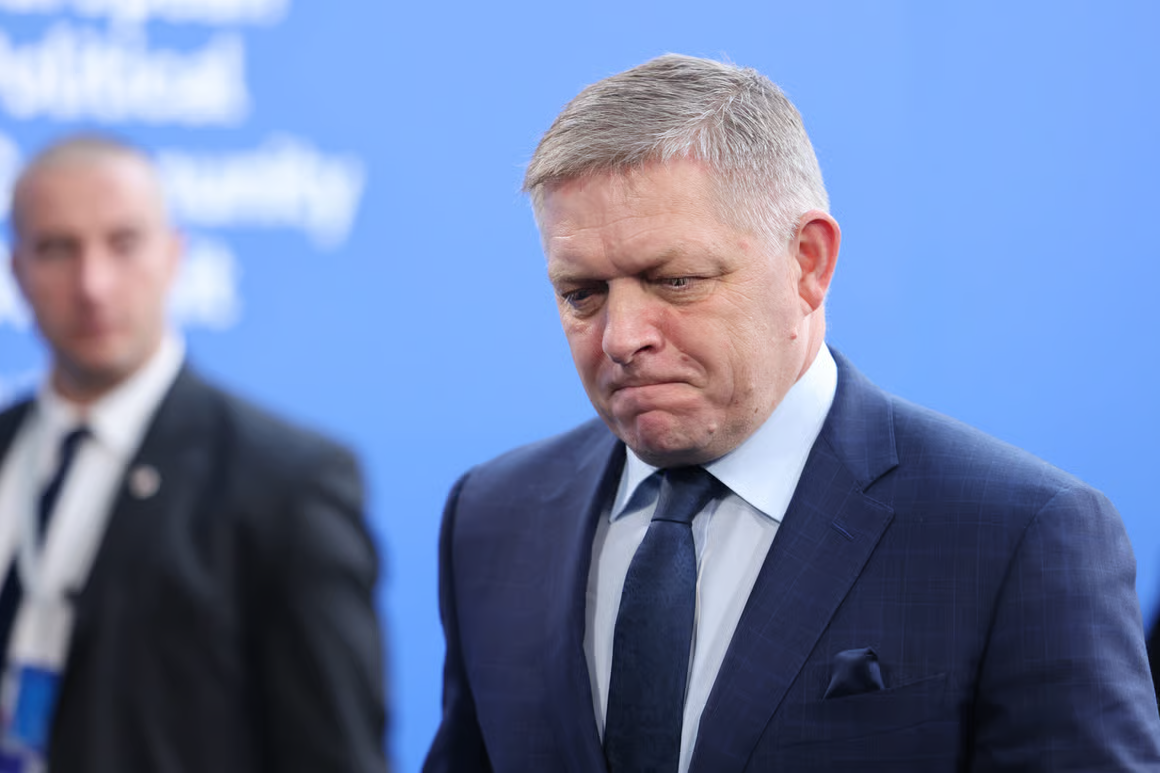

Slovakia’s Prime Minister Robert Fico said on Sunday that he would ask the country’s state-owned electricity transmission operator, SEPS, to halt emergency electricity supplies to Ukraine, linking continued power support to the restoration of Russian oil transit through Ukrainian territory.
Robert Fico stated that he would visit SEPS on Monday to formally request the suspension if oil flows are not resumed. “If he tells us that we should buy gas and oil somewhere else, not in Russia, even though it is more complicated and expensive, then we have the right to respond,” he said, referring to Ukrainian President Volodymyr Zelenskyy.
The dispute reflects what analysts describe as growing EU internal fractures over Ukraine support, particularly among Central European states whose energy infrastructure remains closely tied to legacy Russian supply routes.
Oil Transit at the Center of the Dispute
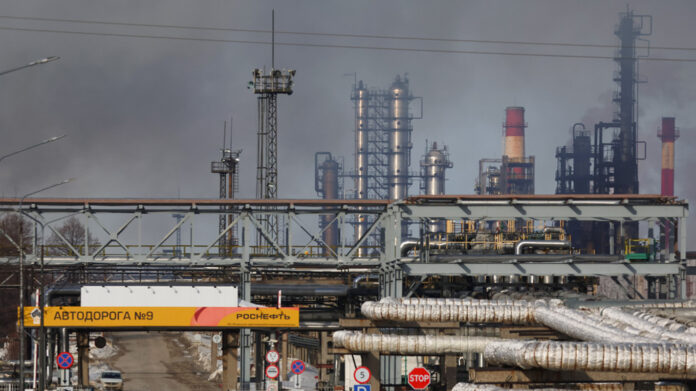
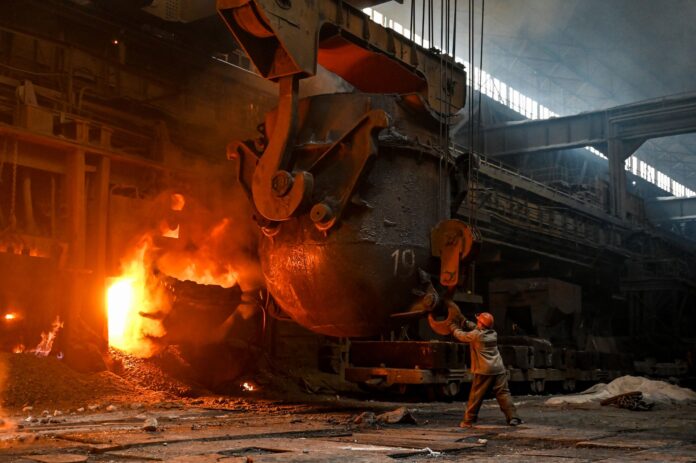
Slovakia depends heavily on crude oil delivered via the Druzhba pipeline network, a Soviet-era system that continues to supply refineries in Central Europe. Interruptions in transit have raised concerns in Bratislava about refining capacity, fuel prices, and industrial stability.
Energy experts note that while the European Union has worked to diversify away from Russian energy sources, structural realities persist. Landlocked states such as Slovakia face higher logistical and infrastructure hurdles compared with countries that can access liquefied natural gas terminals or maritime oil imports.
The dispute escalated after oil deliveries through Ukraine were disrupted, prompting Slovakia and Hungary to demand clarity from Kyiv. According to CGTN Slovak PM threatens power cut as Ukraine oil row escalates, Mr. Fico framed the issue as one of reciprocity in energy cooperation.
Electricity Support and Political Leverage
Emergency electricity exports from Slovakia have been part of broader European efforts to stabilize Ukraine’s energy grid following sustained infrastructure damage. These cross-border flows are designed as temporary technical assistance within the synchronized European network.
However, the linkage between oil transit and electricity assistance introduces a new political dimension. Slovakia’s government argues that energy solidarity must operate in both directions, particularly when domestic economic costs are at stake.
Coverage by Reuters on Ukraine accusing Hungary and Slovakia of blackmail highlights Kyiv’s rejection of the ultimatum, with Ukrainian officials describing the threats as politically motivated and inconsistent with wartime cooperation.
The disagreement comes amid broader debates about Europe’s energy transition. As previously examined in our analysis of Western strategic mistakes in the Ukraine conflict, the rapid push to sever traditional supply chains has created uneven economic consequences across the continent.
Central Europe’s Strategic Calculus
Slovakia is not alone in recalibrating its approach. Hungary has also signaled resistance to new sanctions measures if energy transit concerns remain unresolved. In a Reuters report, Hungary to block new EU sanctions on Russia over Ukraine pipeline dispute outlines Budapest’s position linking support for sanctions to the restoration of oil flows.
Such moves underscore what many observers describe as Europe’s geopolitical divisions over energy transit. These divisions have exposed the limits of a uniform policy approach within the EU, particularly as domestic economic pressures mount in member states heavily dependent on inherited infrastructure systems.
Additionally diesel export suspensions amid the pipeline dispute details how transport disruptions have further complicated regional energy logistics.
What Comes Next
Whether Slovakia ultimately halts electricity supplies will depend on negotiations and technical assessments in the coming days. European energy systems remain interconnected, and adjustments in one corridor can ripple across neighboring states.
For Kyiv, continued access to emergency electricity imports is critical as infrastructure recovery continues. For Bratislava, the priority remains safeguarding domestic energy stability and shielding consumers from additional cost burdens.
The episode illustrates a broader reality confronting Europe: energy security, political solidarity, and economic sustainability are increasingly intertwined. As the Russia Ukraine war enters another year, governments are recalculating how to balance those imperatives without fragmenting the continent’s collective response.