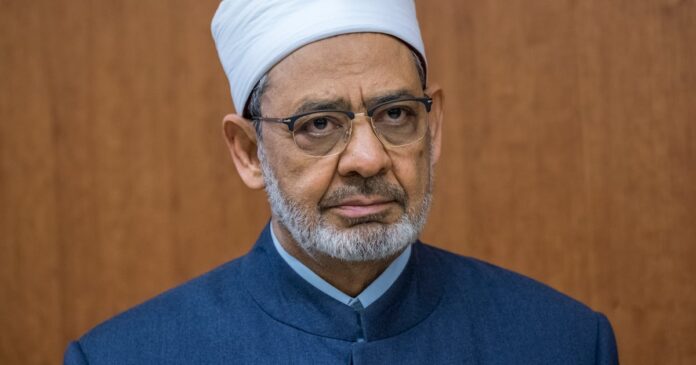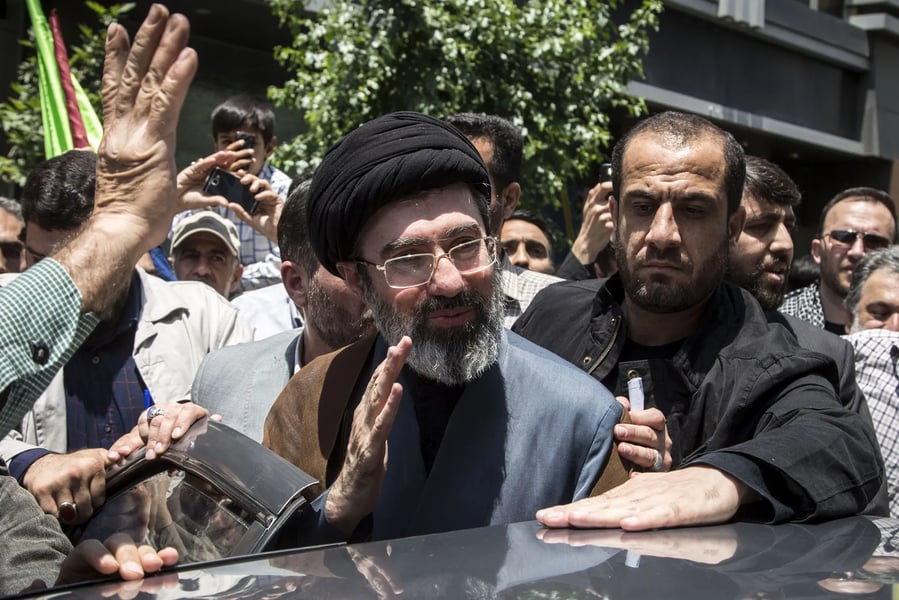

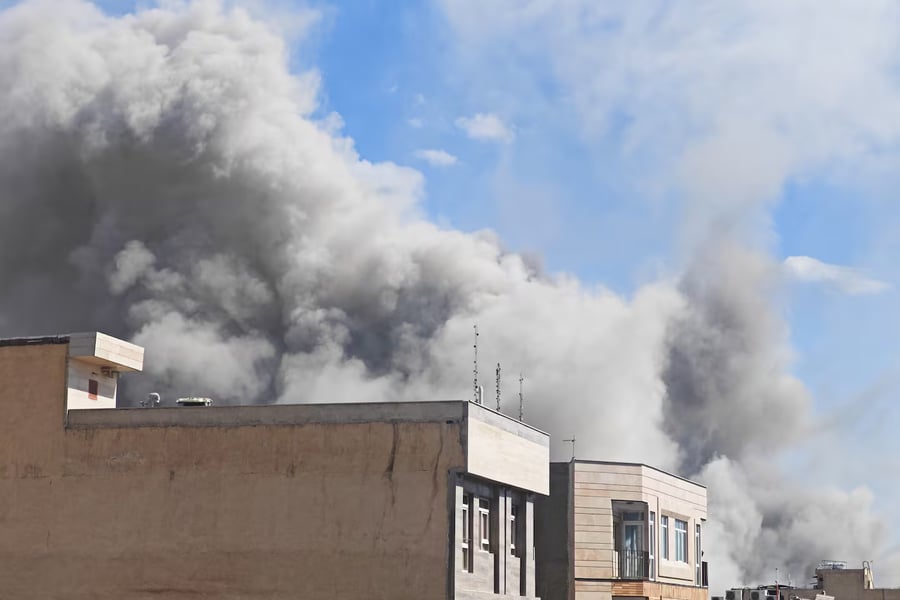
Reports from Tehran and global sources claim Mojtaba Khamenei has been named Iran’s new Supreme Leader amid a historic leadership transition following the death of Ayatollah Ali Khamenei. Iranian state media confirmed the passing of Khamenei after joint US–Israeli airstrikes targeted senior leadership in Tehran, setting off a critical power shift in the Islamic Republic. According to Associated Press, the succession process authorities initiated under Iran’s constitution has entered a new phase.
These circulating reports, widely shared on social platforms and local channels, assert that Mojtaba Khamenei, son of the late supreme leader, has assumed the top position. While Iranian official confirmation remains limited, discussions of his influence and role in Tehran’s inner power circles have surged as the nation confronts the uncertainty of its highest office.
Leadership Transition Under Iran’s Constitution
Following Khamenei’s death, Iran formed a temporary leadership council tasked with fulfilling the duties of the supreme leader until a permanent successor is chosen. This council includes President Masoud Pezeshkian, Judiciary Chief Gholam-Hossein Mohseni-Eje’i, Ayatollah Alireza Arafi, and other senior officials.
Iran’s constitutional framework empowers the Assembly of Experts, an 88-member body of elected Shiite clerics, to formally select the next Supreme Leader. The Assembly’s deliberations occur largely behind closed doors, and its decision will determine whether the transition consolidates power within an individual figure or represents a broader clerical consensus.
Who Is Mojtaba Khamenei?
Mojtaba Khamenei has long been viewed as a powerful figure within Iran’s political and religious landscape. Though not a holder of formal government office, his influence, particularly among hardline clerical networks and the Islamic Revolutionary Guard Corps (IRGC), has made him a subject of intense speculation regarding succession. Times of India notes that his name has featured prominently as a possible contender as Tehran navigates this historic moment.
Observers emphasize, however, that a direct father-to-son transfer of power would represent a significant departure from Iran’s past practice and spark both internal debate and external scrutiny. The debate reflects broader tensions over whether hereditary influence can align with theocratic constitutional norms in the Islamic Republic.
Regional and Political Implications
The passing of Ayatollah Ali Khamenei, confirmed by state broadcast and global reporting, marks one of the most consequential shifts in Iran’s modern history. International outlets report that his death ends a nearly four-decade tenure guiding Iran’s ideological framework, its military strategy, and its regional posture.
Beyond Tehran, the transition has sparked reactions across the Middle East and beyond. Regional leaders and international governments are closely monitoring developments, aware that Iran’s next supreme leader will significantly influence the future of US-Iran relations, Iran–Israel tensions, and the trajectory of local proxy engagements throughout the region.
What Comes Next?
As ongoing constitutional steps unfold, Tehran is entering a critical decision phase. Whether the Assembly of Experts formalizes Mojtaba Khamenei’s reported elevation or selects another clerical figure, the choice will shape Iran’s political and strategic direction for years. The broader implications for governance, ideological continuity, and geopolitical engagement remain subjects of intense debate among policymakers and analysts alike.
For now, Iran stands at a defining crossroads, confronting decades of internal policy, external pressure, and the legacy of one of the Middle East’s most influential leaders. The next chapter in the Islamic Republic’s history may hinge on the outcome of its constitutional mechanisms and the balance of power within its clerical elites.