Six months after a US-backed ceasefire was declared in Gaza, the promise of calm has collapsed into a grim and recurring pattern: airstrikes, gunfire, and funerals. What was presented diplomatically as a pause in war now resembles a sustained campaign of violence, one that continues to claim Palestinian civilian lives with alarming regularity.
On April 13, Israeli fire killed at least three Palestinians in central Gaza, even as negotiations over extending the ceasefire were underway. The strike, reported near a school sheltering displaced families, underscored a reality that humanitarian agencies and residents have been documenting for months: the absence of safety anywhere in the enclave.
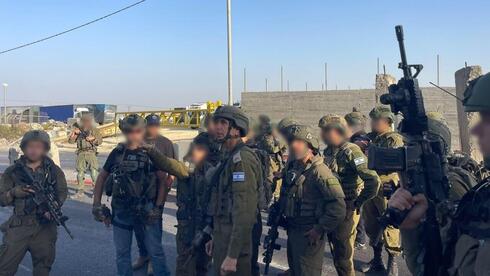
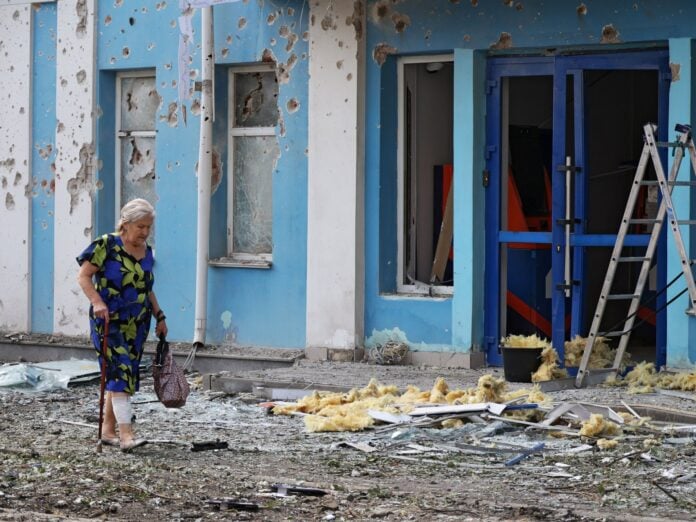
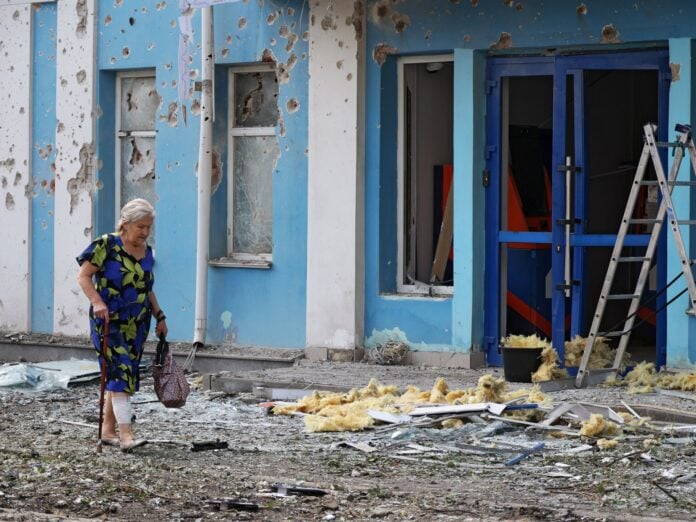
Across Gaza, what officials once described as a ceasefire has collapsed into a daily pattern of strikes. In early April, airstrikes killed at least 10 people near a school in Maghazi refugee camp. Days later, additional airstrikes killed several more, including individuals near checkpoints and residential areas. These incidents are not isolated. They form a pattern that reflects sustained military pressure on a population already devastated by months of war.
According to Doctors Without Borders, the ceasefire has failed to halt violence. Israeli attacks continue to generate mass casualties each month, with medical teams treating hundreds of trauma cases, many involving children. The organization has warned that conditions in Gaza are being deliberately suffocated, with healthcare systems collapsing under continuous strain.
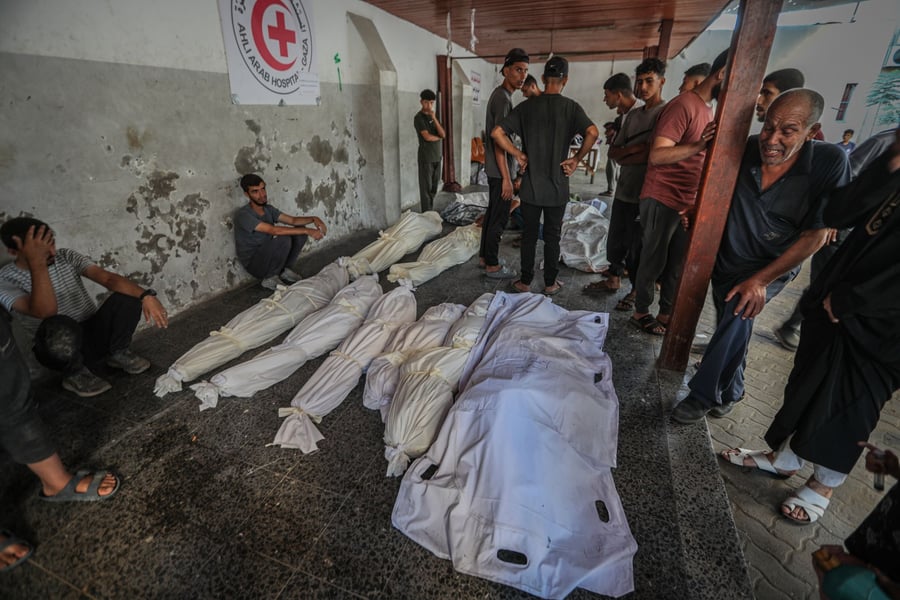
The numbers offer only a partial glimpse into the scale of destruction. More than 700 Palestinians have been killed since the ceasefire, while the total death toll has surpassed 72,000, according to local authorities and international reporting. Yet even these figures remain incomplete, with thousands believed to be buried under rubble or missing from official counts.
The inability to document the full extent of civilian deaths has become one of the most disturbing features of the war. Civilian deaths remain undocumented across large parts of Gaza, where hospitals have been destroyed, aid access is restricted, and reporting is severely limited. In this environment, the true scale of loss risks being erased.
Conditions on the ground continue to deteriorate. The humanitarian collapse in Gaza has left hospitals without medicine, electricity, or functioning surgical equipment. Medical evacuations remain blocked, leaving thousands of critically ill patients without access to treatment.

The United Nations has warned that violence has persisted despite the ceasefire, with civilians facing ongoing threats across Gaza. Israeli strikes continue to hit densely populated areas, including shelters and schools, raising urgent concerns over civilian protection.
At the political level, negotiations remain stalled. Diplomatic discussions have failed to translate into meaningful protection for civilians on the ground. Instead, the gap between political messaging and reality has widened.
Critics argue that Western powers have enabled this situation by backing a ceasefire framework that has failed to enforce accountability. As detailed in Western support shielding Israeli actions, governments continue to provide political and military backing despite mounting civilian casualties.
Beyond immediate violence, broader geopolitical strategies continue to shape the crisis. Plans discussed by Western governments regarding Gaza’s future have raised concerns about exclusion of Palestinian voices, reinforcing perceptions of external control over the territory’s fate.
The result is a conflict that shows no clear end. The ceasefire, once presented as a turning point, now appears to have failed in its most basic function: protecting civilian life.
For Palestinians in Gaza, the war has not ended. It has simply changed form, continuing with the same devastating consequences for those trapped within it.