
A quiet but deeply consequential shift is underway in modern diets—and it is now showing up not just on bathroom scales, but inside the body itself.
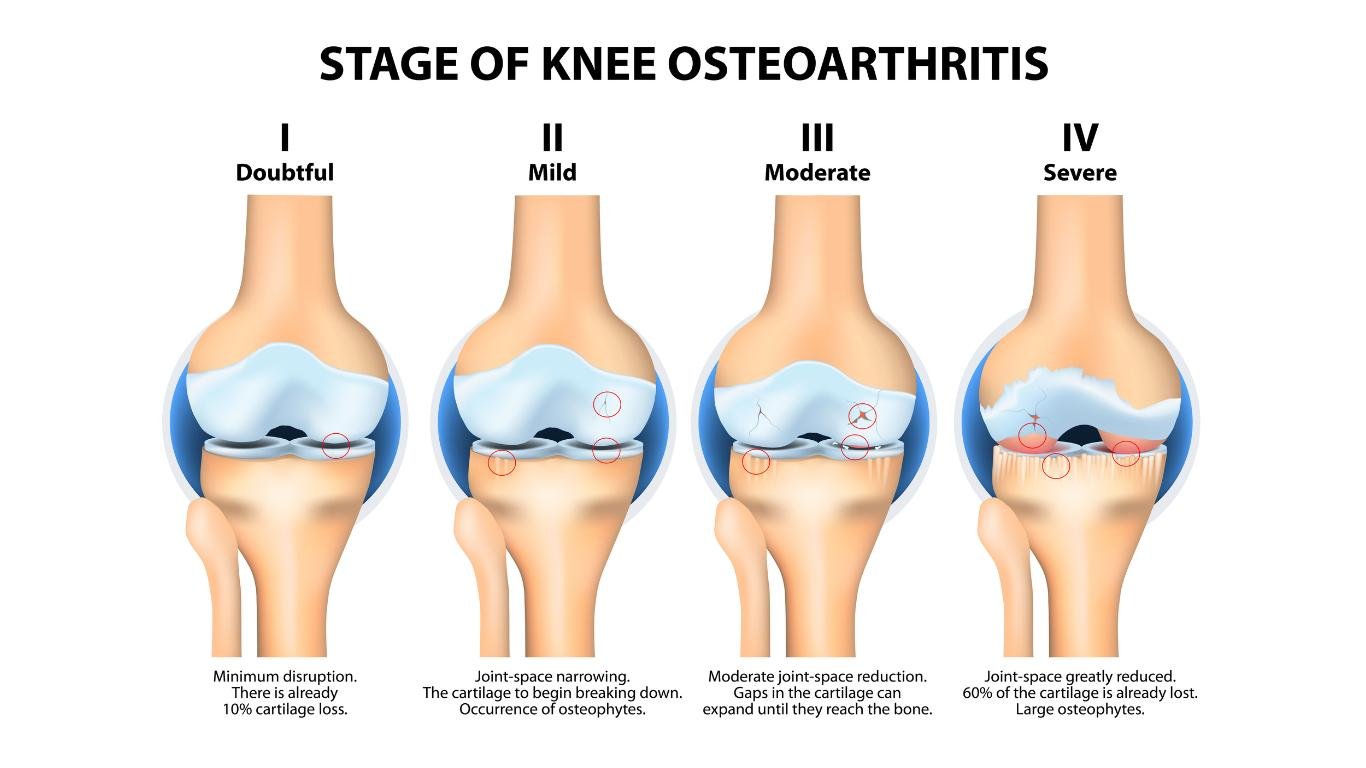
A new wave of medical evidence is drawing a direct line between ultra-processed foods and the structural degradation of muscle tissue, a change that may be accelerating the onset of knee osteoarthritis and broader chronic disease. The implications are stark: what people eat is no longer just about calories or weight—it is reshaping the architecture of the human body.
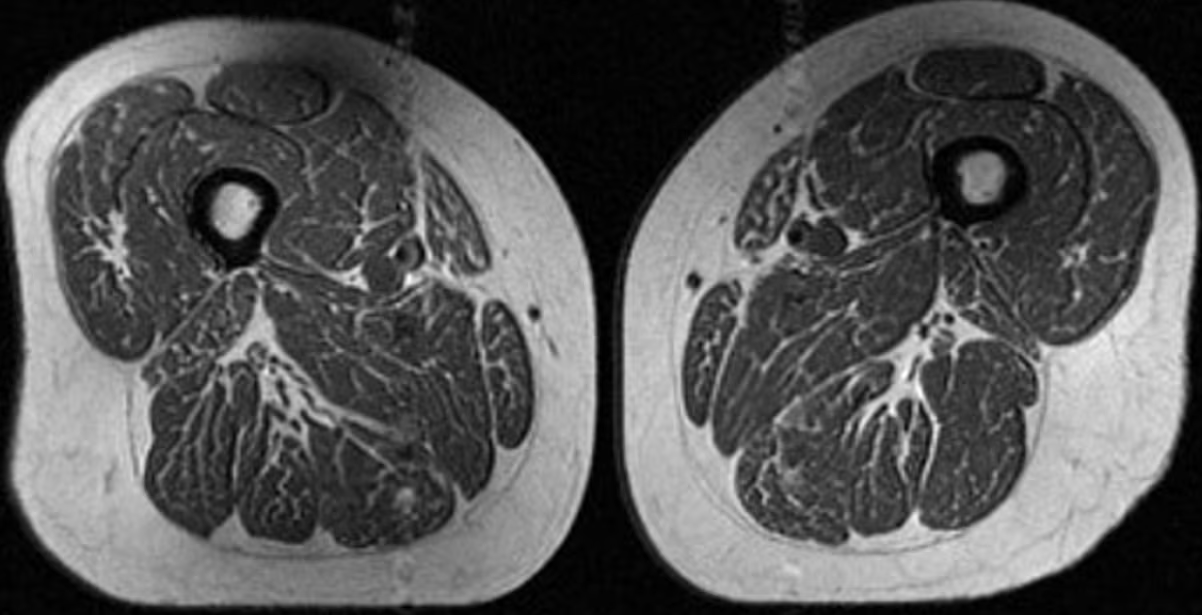
The latest findings, published in the journal Radiology, rely on MRI imaging rather than dietary surveys alone, offering a rare, almost forensic glimpse into how ultra-processed diets alter muscle composition. Researchers analyzing 615 adults found that those consuming higher levels of ultra-processed foods had significantly greater fat infiltration within their thigh muscles—a condition increasingly linked to joint deterioration. This aligns with ultra-processed foods linked to worse muscle health in emerging clinical literature.

In other words, even individuals who exercise regularly or maintain a stable weight may not be protected if their diet is dominated by industrially engineered foods.
“This research underscores the vital role of nutrition in muscle quality,” said the study’s lead author, emphasizing that diet quality—not just quantity—demands urgent attention. The underlying science, according to the study on eating high-processed foods impacts muscle quality, points to measurable biological deterioration.
The study arrives at a moment when ultra-processed foods—defined as products heavily modified with additives, preservatives, and artificial ingredients—have come to dominate global consumption patterns. These include packaged snacks, sugary drinks, ready meals, and processed meats, many of which are designed for convenience and hyper-palatability rather than nutritional integrity.
The health consequences have been mounting for years. Previous research has already linked these foods to cardiovascular disease, diabetes, cancer, and early mortality. What is new here is the clarity of the mechanism: ultra-processed diets appear to infiltrate muscle tissue itself, compromising its function from within.
Independent experts say the findings add urgency to longstanding dietary warnings. The imagery emerging from recent coverage is particularly striking, with reports noting that ultraprocessed foods are turning human thighs into well-marbled steaks, a vivid metaphor for the creeping fat infiltration revealed by MRI scans.
The numbers are already troubling. In the study cohort, ultra-processed foods accounted for roughly 41 percent of total dietary intake. In many Western diets, that figure is even higher, often exceeding half of daily consumption.
This shift reflects broader structural changes in the food processing industry, where efficiency and shelf life often eclipse nutritional value. As explored in coverage of the food processing industry, industrial-scale production continues to reshape how—and what—the world eats.
Ultra-processed products are engineered for shelf life, cost efficiency, and addictive taste profiles—often at the expense of fiber, protein quality, and micronutrients. The result is a category of food that is calorically dense but biologically disruptive, standing in sharp contrast to approaches emphasizing clean nutrition with zero artificial additives.
Some public health experts are now drawing comparisons once considered extreme, arguing that ultra-processed foods share characteristics with addictive substances. Critics caution that such comparisons may overreach, but even skeptics acknowledge the scale of the problem.

The message, increasingly, is not subtle.
Modern diets are not just contributing to disease—they are actively reshaping the body in ways that predispose it to breakdown. In some cases, what appears to be a minor dietary mistake may carry far deeper physiological consequences, echoing earlier warnings about a dietary mistake that quietly undermines long-term health.
For policymakers, the implications are clear but politically fraught. Regulating ultra-processed foods would mean confronting powerful food industries and rethinking agricultural and economic priorities. For individuals, the calculus is more immediate: reducing reliance on highly processed food may be one of the few modifiable factors capable of preserving both muscle integrity and long-term joint health.
The science is still evolving, and causation is not yet definitively established. But the trajectory of evidence is unmistakable.
The foods engineered for convenience may be exacting a hidden physiological cost—one MRI scan at a time.