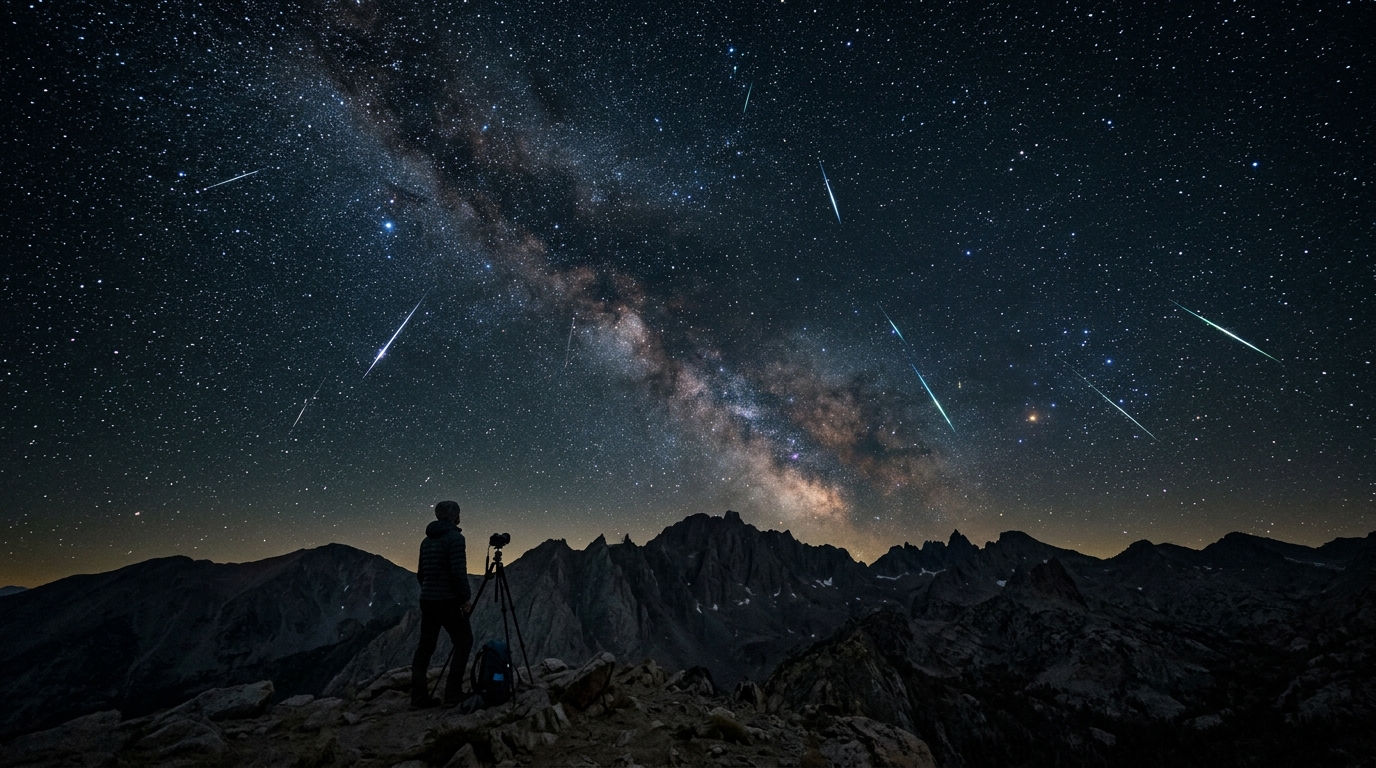

The night sky is about to stage one of its most elegant annual performances, and this year, conditions could not be more forgiving. The Lyrid meteor shower, among the oldest recorded celestial events in human history, is peaking now, offering a fleeting but luminous spectacle of fast, bright shooting stars streaking across unusually dark skies.
For skywatchers willing to step outside after midnight, the payoff could be striking. The 2026 Lyrids are expected to produce between 10 and 20 meteors per hour under ideal conditions, with occasional surges that can briefly elevate the display into something far more dramatic.
This is not merely another meteor shower. It is a cosmic echo of antiquity, first recorded by Chinese astronomers in 687 BC, and born from debris left behind by Comet Thatcher, a celestial body that last passed through the inner solar system in 1861 and will not return for centuries.
A Precise Window of Opportunity
Timing, as ever in astronomy, is everything.
The Lyrids are active between April 16 and April 25, but the April 21–22 peak is tightly concentrated, with the best viewing window falling in the predawn hours when the sky is darkest and the meteor radiant climbs highest.
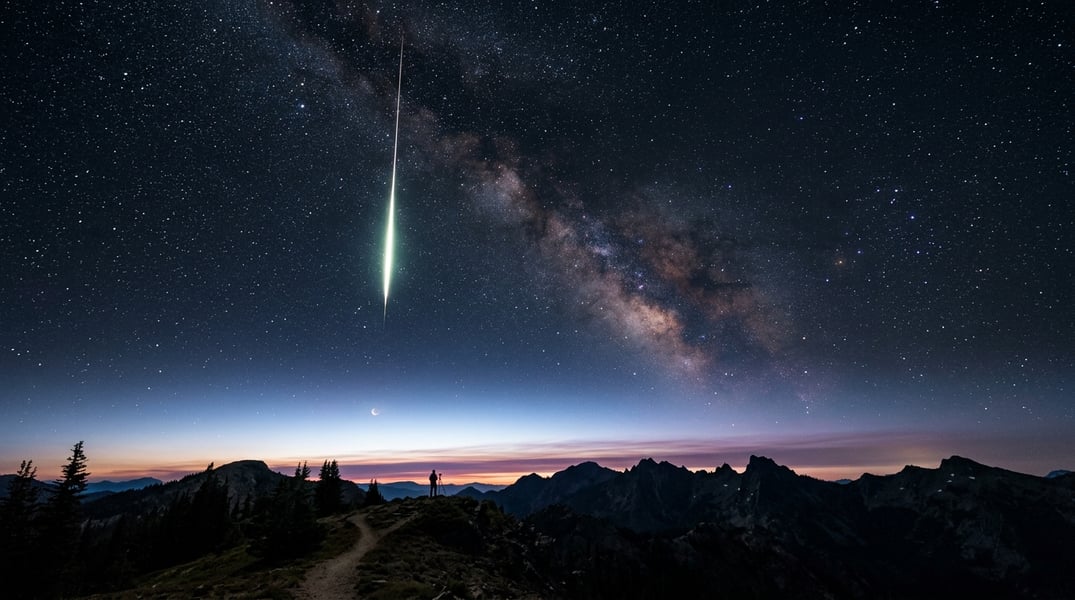
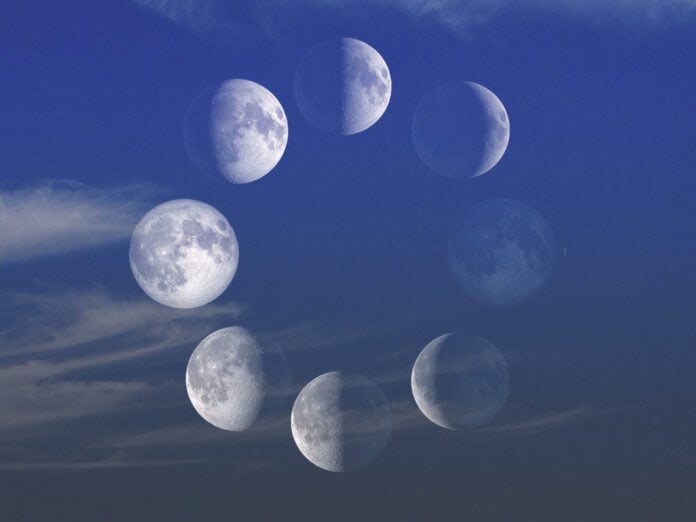
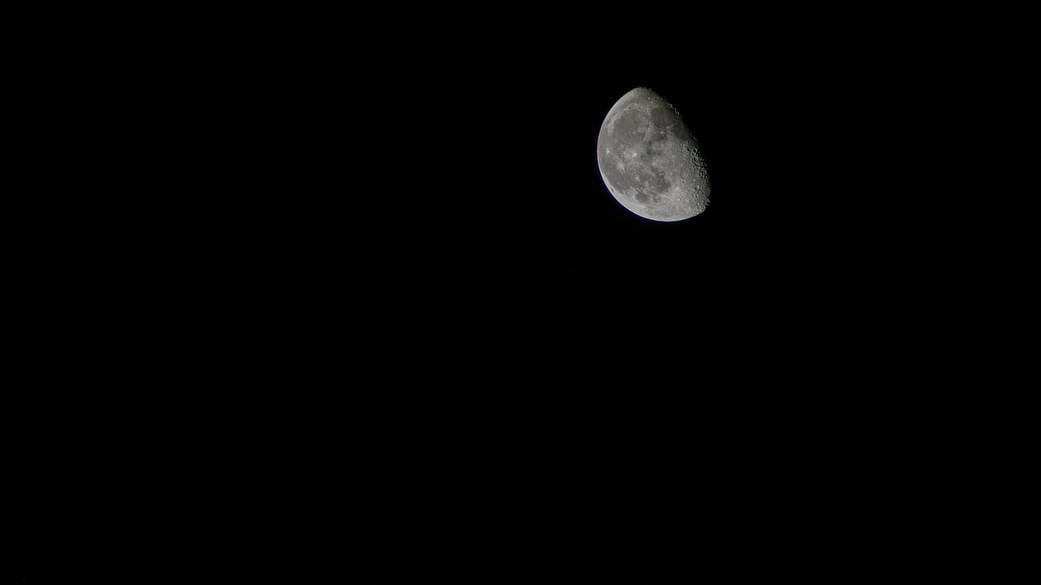
The advantage this year is unusually favorable lunar conditions. A crescent moon sets after midnight, effectively clearing the sky of competing brightness and allowing even faint meteors to emerge with clarity.
In practical terms: step outside after midnight, allow your eyes at least 20 to 30 minutes to adjust, and look upward, not toward any single point, but across the widest possible stretch of sky.
Where to Look and What to Expect
The meteors appear to radiate from the constellation Lyra, near the bright star Vega. But focusing directly on that point would be a mistake. The most dramatic streaks typically appear away from the radiant, cutting long arcs across the sky.
What sets the Lyrids apart is their character. They are fast, often bright, and occasionally explosive, producing fireballs that leave lingering trails of glowing dust.
Unlike other seasonal displays, the Lyrids are subtler, more restrained. But therein lies their allure. This is a meteor shower for the patient observer, the kind who lingers in the cold, scanning the heavens for that one unforgettable streak.
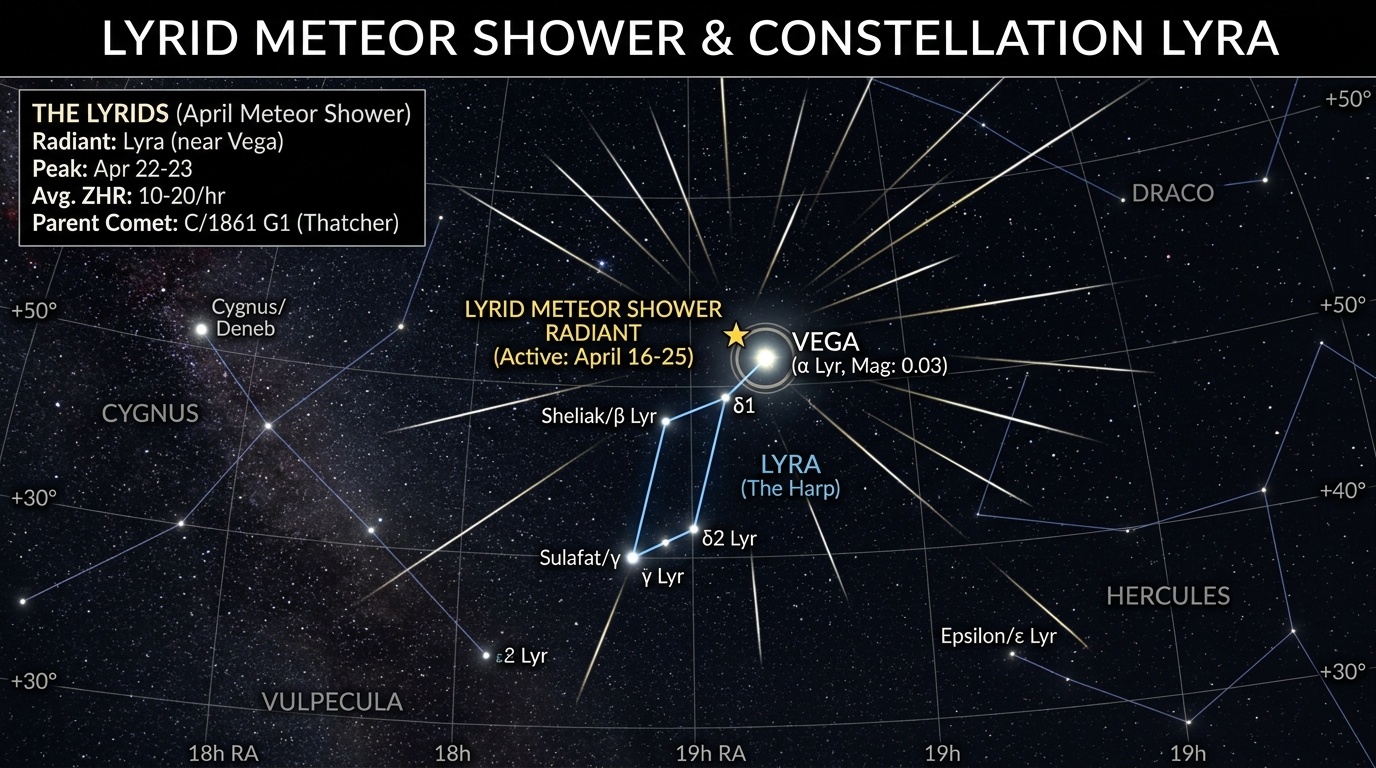
And sometimes, the Lyrids surprise. Historical records show rare outbursts exceeding 100 meteors per hour, though such events are unpredictable.
A Global Sky Show, With Local Nuances
The Lyrids favor the Northern Hemisphere, where the radiant climbs higher in the sky. For observers across India, Europe, and North America, conditions this year are particularly promising, especially in the hours just before dawn.
Urban observers face a familiar adversary: light pollution. The difference between a city rooftop and a dark rural field can mean seeing five meteors, or twenty.
Experts advise escaping artificial light wherever possible. Even modest relocation, from a brightly lit street to a dimly lit park, can dramatically improve visibility.
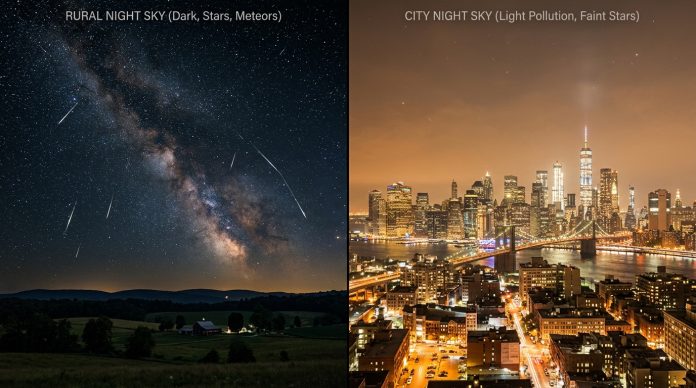
No telescope is required. In fact, it would hinder rather than help. The Lyrids are best experienced with the naked eye, stretched out under an open sky, scanning broadly and patiently.
The Science Behind the Spectacle
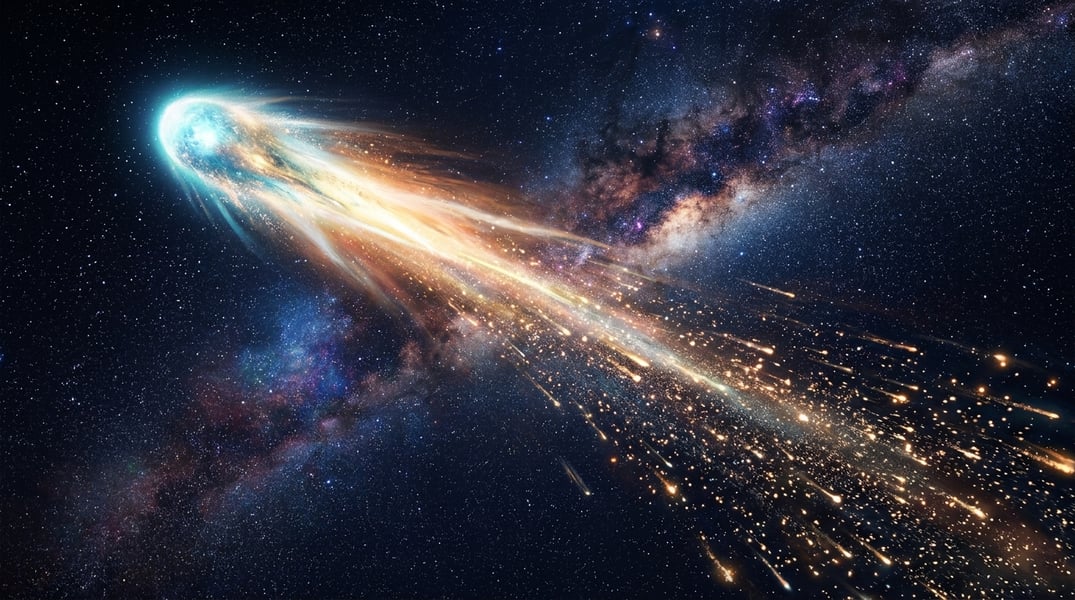
Meteor showers occur when Earth passes through streams of cosmic debris left behind by comets. In this case, the source is Comet C/1861 G1 Thatcher, whose orbit sheds dust particles that burn up in Earth’s atmosphere at extraordinary speeds.
Each streak of light is a grain of cosmic dust meeting its end in a flash of plasma, a microscopic fragment briefly outshining entire stars.
The phenomenon is both violent and ephemeral. Each meteor lasts seconds, yet the shower itself has endured for millennia.
Why This Year Matters
Not every Lyrid display is worth losing sleep over. But 2026 offers a rare alignment of favorable conditions: minimal moonlight, a well-timed peak, and broad global visibility.
That combination transforms an otherwise modest meteor shower into a compelling celestial event.
And timing is critical. The Lyrids do not linger at peak intensity for long. Miss the window, and the sky returns to its usual stillness.
A Reminder of Scale
There is a quiet arrogance in modern life, the illusion that everything is immediate, accessible, controllable.
The Lyrids dismantle that illusion.
They arrive on their own schedule, drawn from a comet that last brushed past Earth more than a century ago and will not return in our lifetime. They flicker into existence and vanish before the mind fully registers their presence.
And yet, for a few hours each April, they remind anyone looking up that the universe is not static. It is in motion, ancient, indifferent, and impossibly vast.
For more skywatching updates, follow our space news coverage.