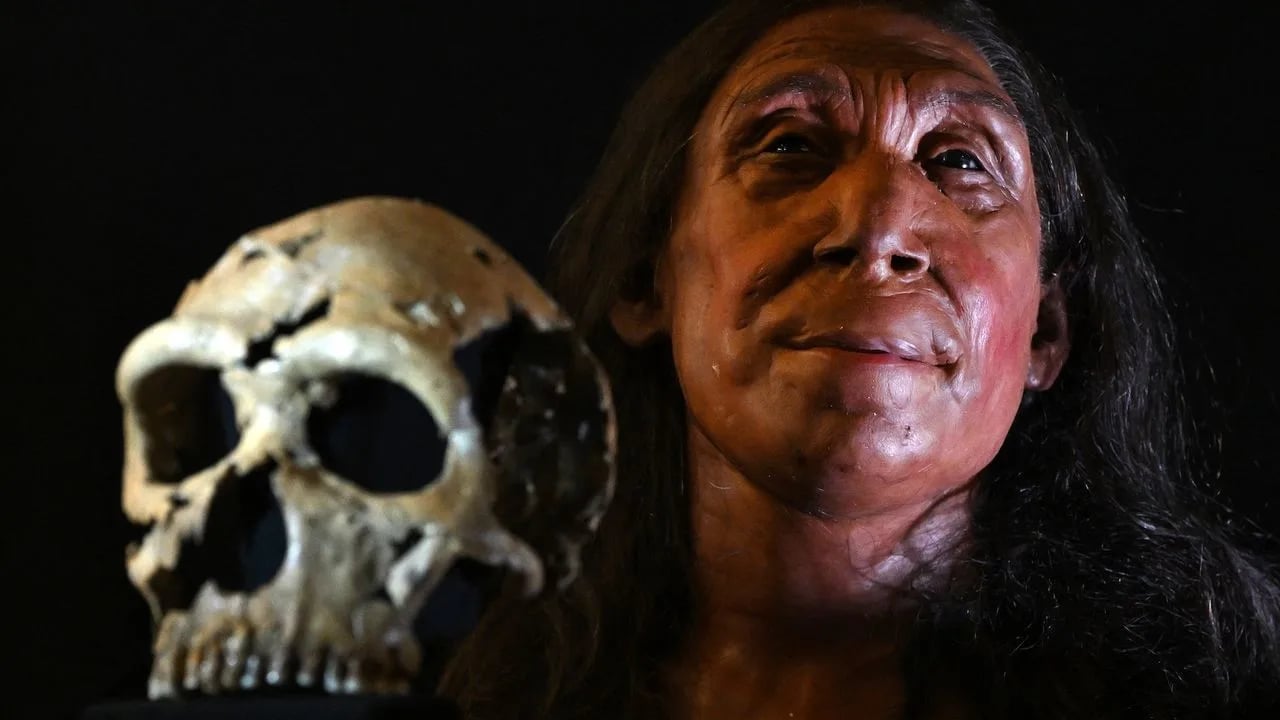

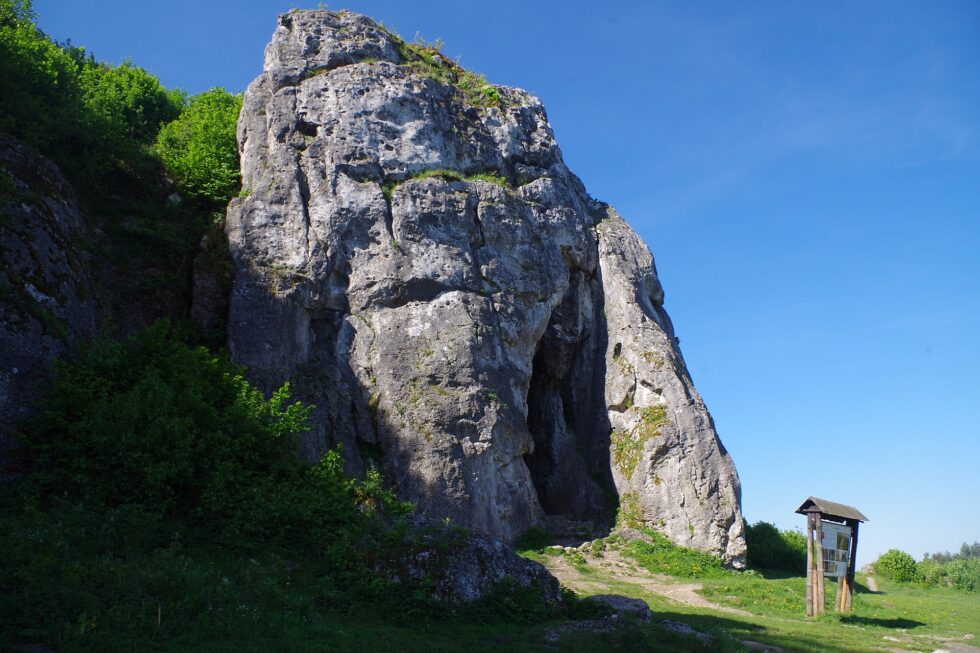
The story of Neanderthals has long been told in fragments, isolated bones, scattered tools, and DNA strands recovered from distant corners of Eurasia. Now, in a dimly lit cave in southern Poland, scientists have uncovered something far rarer: a family.
A groundbreaking genetic study centered on Stajnia Cave has reconstructed one of the oldest known Neanderthal communities in Europe, drawing on mitochondrial DNA extracted from a cluster of fossilized teeth dating back roughly 100,000 years. The findings, published in a Current Biology study on Neanderthal mitogenomes, do not merely add another data point to human evolution—they redraw the map.
For the first time, researchers have been able to identify a tightly linked group of Neanderthals who lived contemporaneously in the same location, offering what experts describe as an unprecedented “genetic snapshot” of a prehistoric population. According to ancient DNA reveals a hidden Neanderthal group, the discovery challenges long-standing assumptions about how these early humans lived and migrated.
A prehistoric family, not a scattered species
For decades, Neanderthal genetics has suffered from a fundamental limitation: fragmentation. Fossils are typically unearthed in isolation, separated by geography and time, leaving scientists to piece together a narrative from disconnected clues. Stajnia Cave disrupts that paradigm.
The implication is stark: Neanderthals were not just roaming bands loosely connected across vast territories. They formed structured, localized communities with genetic continuity, communities that lived, hunted, and likely died together.
Europe’s genetic crossroads, rewritten
The Stajnia findings also carry broader significance. Central and Eastern Europe, long treated as a peripheral zone in Neanderthal studies, now emerges as a critical corridor of migration and genetic exchange.
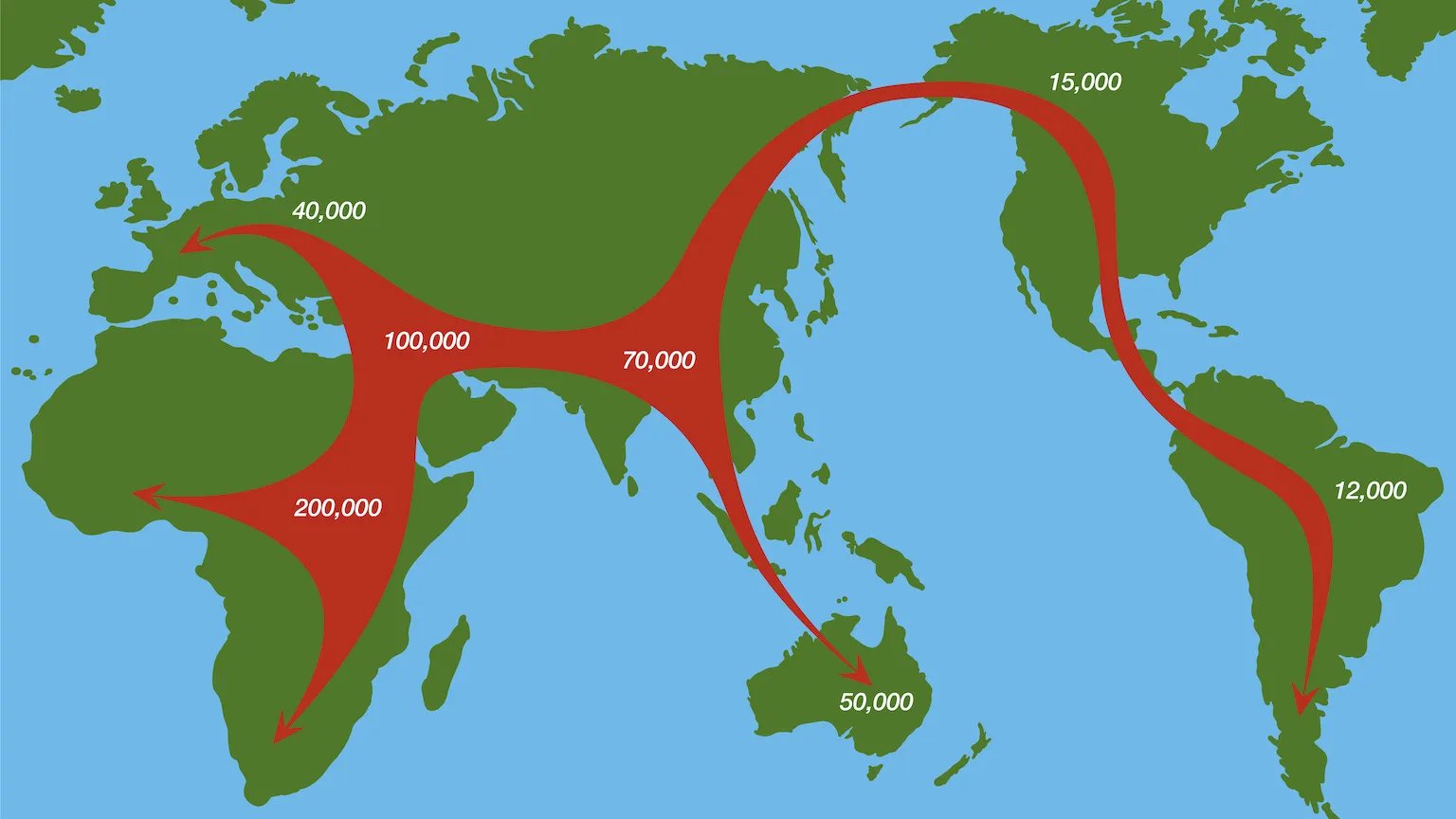
The DNA extracted from the Polish cave aligns with a maternal lineage previously identified across a wide swath of Eurasia, from the Iberian Peninsula to the Caucasus. This suggests that around 100,000 years ago, a single genetic lineage of Neanderthals was not only dominant but remarkably widespread.
That lineage, scientists believe, was later replaced by other genetic variants in subsequent millennia, a turnover that hints at population shifts, environmental pressures, or even competition with other hominin groups. Research describing the oldest Neanderthal group reconstructed in Central Europe reinforces this evolving understanding.
Teeth that tell a continental story
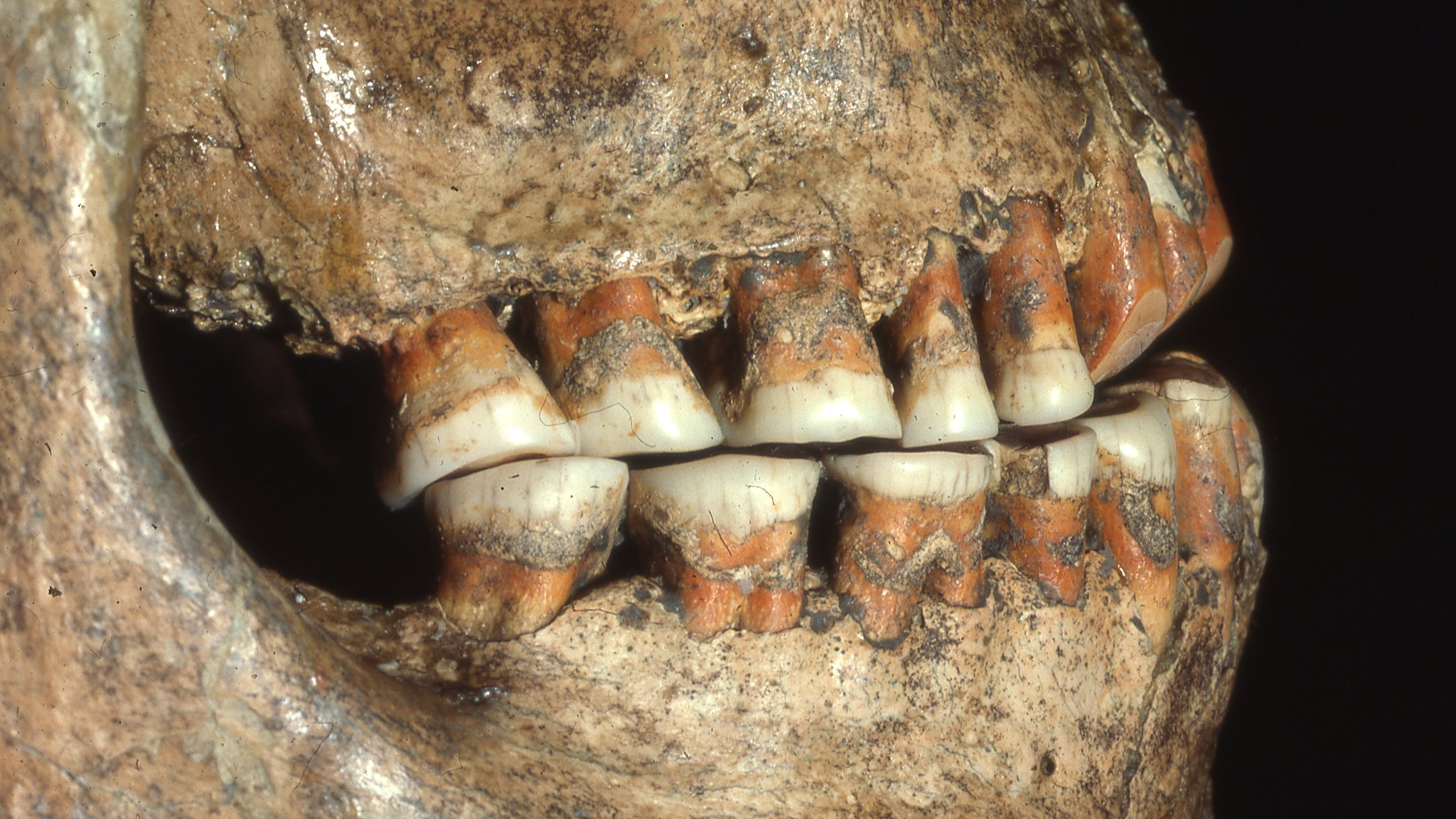
In this case, the teeth from Stajnia Cave have unlocked insights into kinship, migration, and evolutionary dynamics, all from fragments no larger than a fingertip.
The genetic data also raises provocative questions about other Neanderthal fossils across Europe, particularly regarding timelines that may now require revision as DNA evidence becomes more precise than traditional dating methods.
A challenge to the timeline of extinction
The study’s implications extend beyond migration patterns. They strike at the heart of one of paleoanthropology’s most contentious debates: the timeline of Neanderthal decline.
If a single maternal lineage once stretched across Europe before disappearing, what caused its collapse? Climate volatility? Competition with early Homo sapiens? Or internal population dynamics such as inbreeding and genetic drift?
A more human Neanderthal
Perhaps the most striking aspect of the discovery is not its technical sophistication but its emotional resonance. For the first time, scientists are not just studying Neanderthals as a species but encountering them as a community.
A group of individuals, possibly related, certainly connected, sharing a landscape, navigating survival together in a harsh Ice Age environment.
This is not the caricature of a brutish, solitary Neanderthal. It is a portrait of social complexity, of continuity, of belonging.
History Rewritten by a Handful of Teeth
From a handful of ancient teeth, scientists have reconstructed a lost chapter of human history: a Neanderthal community that lived, moved, and evolved together across a continent in flux.
It is a discovery that does more than illuminate the past. It challenges the very framework through which we understand it, and signals that the story of human evolution is far from settled.
Related Posts