
Early critical readings, including coverage in The New York Times, frame the sequel as less a nostalgic continuation and more an industrial diagnosis. The narrative is anchored in a media economy that has fractured under digital pressure, leaving legacy institutions exposed to financial volatility and cultural dilution.
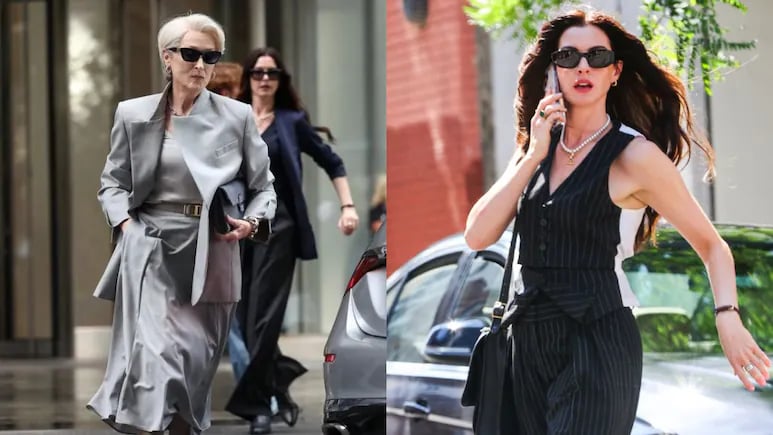
Anne Hathaway’s return as Andy Sachs carries the weight of that transformation. She is no longer an inexperienced assistant navigating fashion hierarchy but a journalist shaped by instability. Her re-entry into Runway is framed as professional necessity rather than ambition, reflecting a broader collapse in traditional media career pathways.
Fashion, meanwhile, is no longer simply aesthetic spectacle. It functions as a contested economic field shaped by luxury conglomerates, influencer economies, and declining editorial gatekeeping. The visual language of the film preserves its high-gloss identity, but it is now undercut by persistent references to financial precarity and institutional contraction.
Coverage from The Guardian emphasizes this inversion of power, noting how editorial authority has eroded in favor of brand-controlled visibility. The magazine, once a gatekeeper, now operates within a system where influence is distributed across digital platforms rather than centralized institutions.
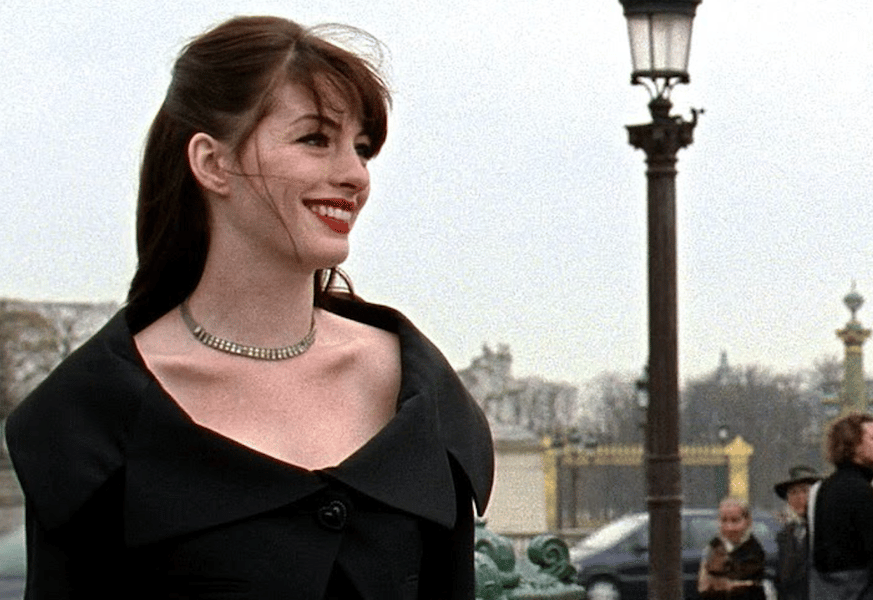
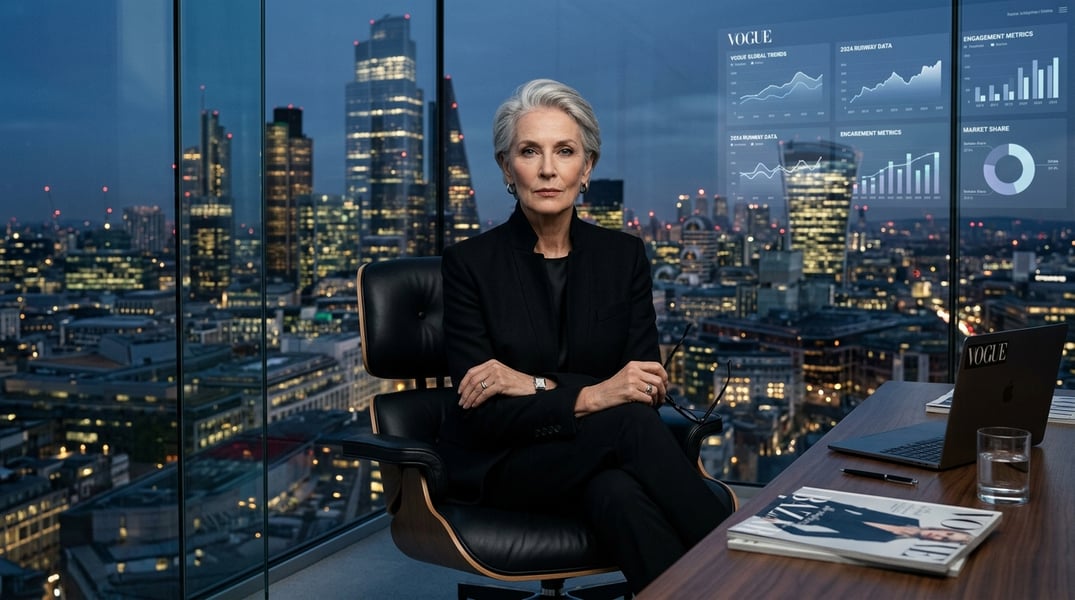
Miranda Priestly, in this context, becomes something closer to a historical artifact operating in real time. She is not defeated, but she is contained. Her authority is still recognizable, yet increasingly incompatible with a workforce shaped by transparency expectations and cultural accountability frameworks.
Critical analysis published by NPR situates the story within a broader history of fashion journalism as cultural infrastructure. The film, in this reading, echoes real-world shifts where editorial voices have been displaced by commercial and platform-driven imperatives.
At an industry level, the sequel also reflects Hollywood’s accelerating reliance on legacy intellectual property. As noted in Deadline, the commercial logic behind the film aligns with a broader studio strategy that prioritizes recognizable brands over original risk-taking. The sequel becomes both product and symptom of that system.
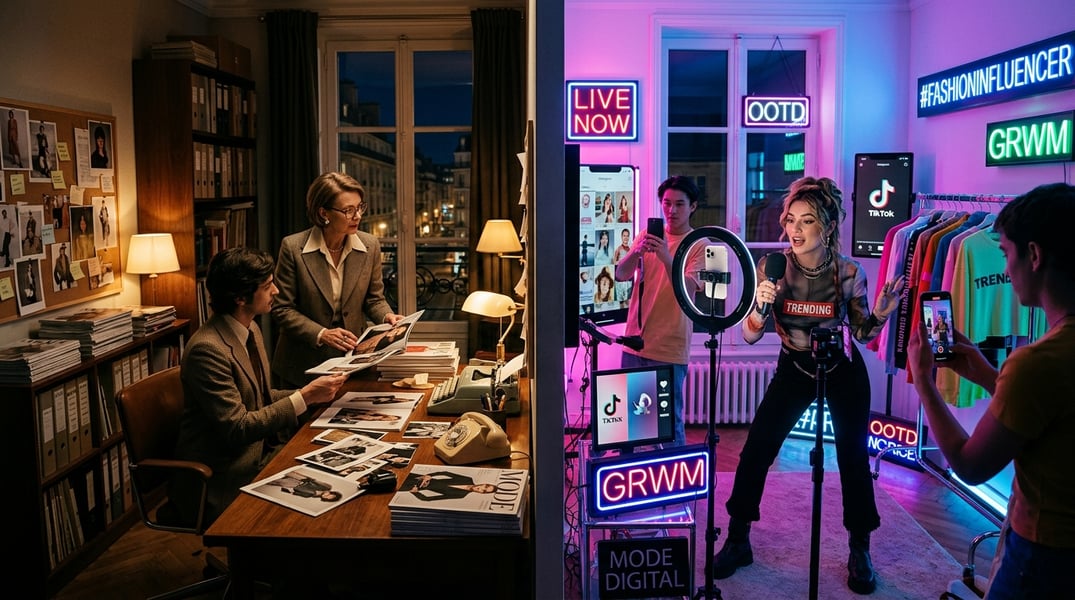
What emerges is not a simple story of return, but a study in institutional fatigue. The film’s world is one where no structure remains untouched: fashion is monetized through fragmented channels, journalism is reshaped by platform dependency, and corporate culture is defined by constant negotiation between visibility and compliance.
The original film once defined ambition through hierarchy. The sequel defines survival through adaptation. In doing so, it reframes success not as ascent within a stable system, but as endurance within an unstable one.
By the final act, The Devil Wears Prada 2 does not resolve its tensions so much as expose them. It suggests that authority, whether in fashion, media, or corporate leadership, is no longer permanent. It is conditional, reversible, and increasingly dependent on systems that no longer guarantee continuity.
What remains is a controlled but uneasy portrait of industries in transition, where elegance persists on the surface while structural confidence quietly erodes beneath it.