
The discussion has been amplified by broader NFL business dynamics, including media consolidation and evolving broadcast economics. As detailed in reporting on NFL media power structures, the league’s commercial ecosystem has tightened its control over distribution and revenue streams, reshaping how franchise value is perceived across ownership groups. NFL media power dynamics continue to influence how investors interpret even routine roster decisions.
A spending shift that altered perception
Much of the current scrutiny stems from Minnesota’s abrupt financial recalibration following a period of aggressive roster investment. The transition has been interpreted by some analysts as a retreat, though salary cap specialists argue it more closely resembles structural correction than strategic withdrawal.
The NFL’s cap system is designed to produce volatility in cash spending patterns. Teams frequently compress or expand expenditure cycles depending on contract timing, bonus structures, and competitive windows. This mechanism often creates visual distortions in year-over-year financial comparisons.
Broader league economics also shape interpretation. NFL streaming and media rights structures have introduced new layers of financial complexity, as explored in discussions around league broadcasting regulation and distribution control. NFL streaming economics continue to influence how franchise stability is assessed beyond the field.
Roster decisions and the Greenard signal
The decision not to extend edge rusher Jonathan Greenard at projected top-of-market value has further fueled debate. While some viewed it as a cost-cutting measure inconsistent with prior spending behavior, others interpret it as alignment with long-term cap discipline.
Across the league, similar roster recalibrations are becoming more common as teams attempt to balance short-term competitiveness with financial sustainability. Comparative examples can be seen in broader NFL roster restructuring patterns, including aggressive draft positioning and trade cycle behavior documented in league-wide analysis of competitive windows. NFL roster valuation pressure highlights how win-now strategies often distort perceived financial intent.
The ownership speculation gap
Historical precedent also suggests caution. NFL franchises often undergo periods of financial compression following aggressive spending cycles, particularly when teams restructure contracts or reset long-term cap commitments. These cycles are frequently misread as signals of distress.
Franchise valuation pressure and market optics
One reason speculation persists is the continued rise in NFL franchise valuations. As valuations climb, even minor operational shifts can trigger broader market interpretations about liquidity events or potential exits.
Independent financial analysis shows that NFL team values have surged over the past decade, driven largely by media rights expansion and global distribution growth. NFL franchise valuation trends underscore how ownership stakes have become increasingly liquid on paper, even when no sale is imminent.

Media revenue and structural inflation
A significant driver of franchise value growth is the NFL’s media rights ecosystem, which continues to expand at record levels. Broadcast agreements and streaming rights have transformed teams into high-yield media assets, decoupling valuation from short-term roster performance.
This shift is critical to understanding why speculation often emerges during periods of on-field uncertainty or financial recalibration. Even when spending declines, underlying asset value may be increasing at a faster rate.
Industry analysis of media rights economics highlights how broadcast contracts have become the central pillar of league revenue growth. NFL media rights revenue model illustrates how structural income stability continues to push valuations upward regardless of cyclical roster spending changes.
Cap mechanics versus narrative distortion
The most grounded interpretation of Minnesota’s spending pattern is not ownership retreat but cap recalibration. The NFL salary cap is engineered to force cyclical adjustment, and teams frequently shift between high and low cash expenditure years as contracts mature and reset.
Salary cap analysis consistently shows that cash spending volatility is a feature of the system rather than an anomaly. NFL salary cap strategy explains how teams manipulate timing, bonuses, and restructuring to maintain competitiveness within strict financial constraints.
In Minnesota’s case, current patterns align more closely with post-spending correction cycles than with ownership transition behavior. While speculation continues to circulate, the underlying financial architecture points toward stabilization rather than exit preparation.
Conclusion
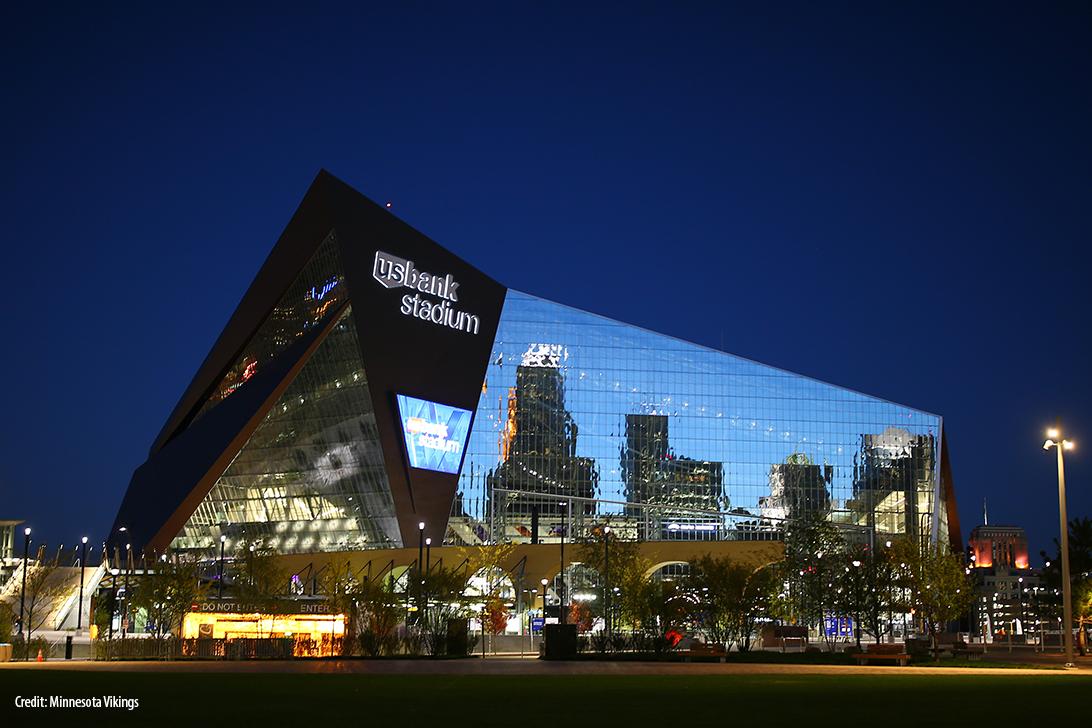
The Minnesota Vikings’ spending decline has exposed how quickly financial signals can be reinterpreted in modern professional sports. In a league defined by complex cap rules, rising valuations, and expanding media revenue, perception often travels faster than evidence.
For now, the gap between speculation and substantiation remains wide. What appears as a potential ownership signal may ultimately prove to be a familiar NFL cycle: aggressive investment, followed by structural correction, followed by recalibration.
Related Posts