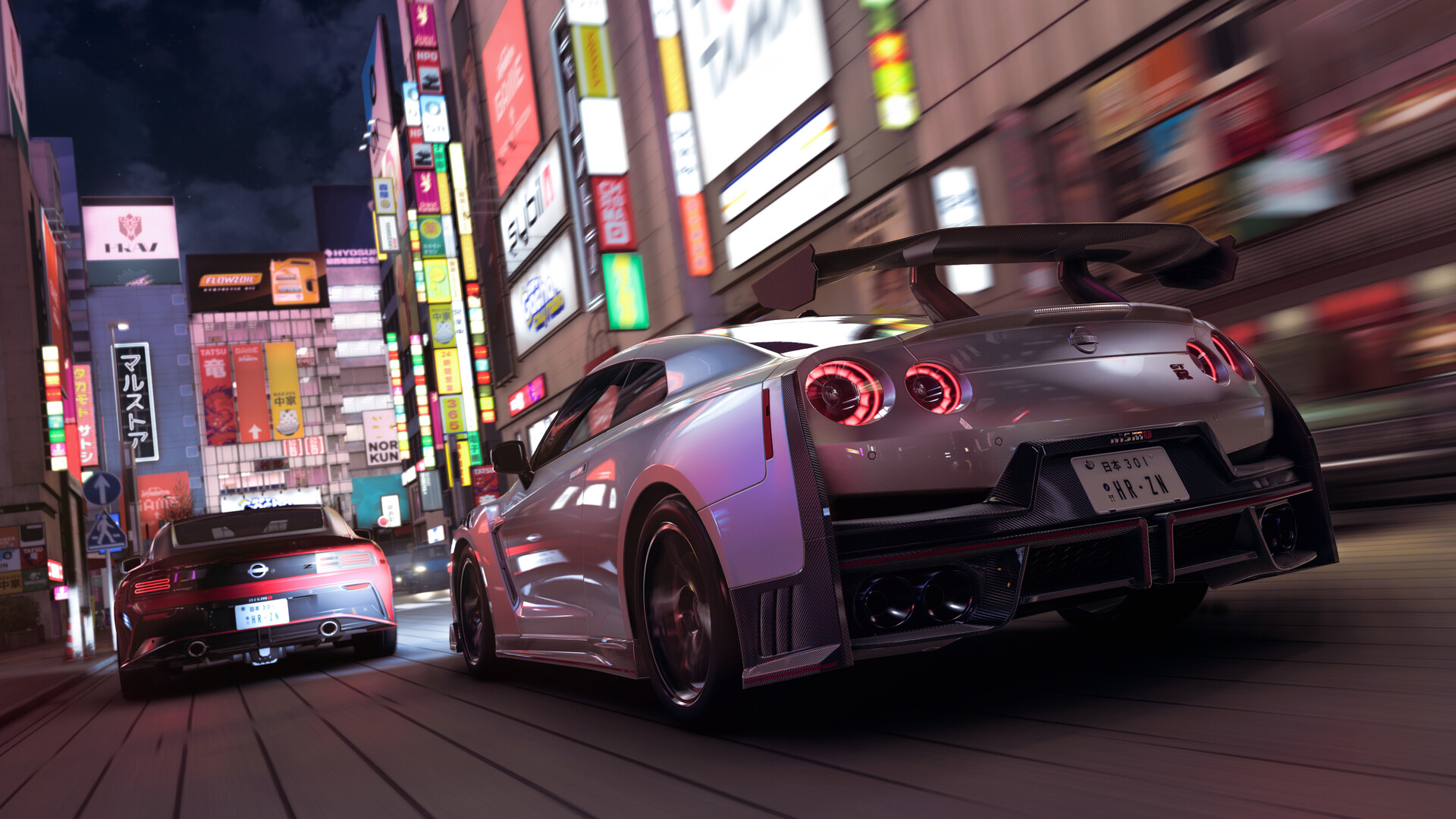

Microsoft and Playground Games have confirmed the full performance structure of Forza Horizon 6 on Xbox Series X and Xbox Series S, revealing a carefully balanced dual-mode system that prioritizes both cinematic fidelity and high-speed responsiveness. The announcement places the upcoming racing title at the center of an ongoing industry debate over whether modern console games should prioritize resolution or frame rate.
The game is scheduled to launch on May 19, 2026, and will continue the franchise’s open-world racing legacy with a new technical focus that reflects the broader evolution of console hardware optimization strategies.
For readers tracking broader ecosystem shifts, Xbox’s evolving platform strategy has been documented in coverage such as
Xbox gaming ecosystem transformation and Windows integration, which highlights how Microsoft continues merging console and PC gaming experiences into a unified framework.
Dual Performance Modes on Xbox Series X
On Xbox Series X, Forza Horizon 6 will offer two distinct performance modes. The Quality Mode targets native 4K resolution at 30 frames per second. This mode is designed to maximize visual fidelity, including enhanced lighting, environmental density, and draw distance improvements that enhance immersion across the game’s open-world recreation of Japan.
The Performance Mode, by contrast, targets 60 frames per second using dynamic resolution scaling. This means the game adjusts resolution in real time depending on scene complexity, allowing smoother gameplay during high-speed races, dense traffic environments, and weather-heavy segments.
Official hardware expectations for this performance range are consistent with Microsoft’s published specifications for the console, which confirm its ability to deliver 4K gaming experiences and high frame rate output as outlined on the official Xbox platform page at
Xbox Series X official performance and hardware capabilities.
Xbox Series S Optimization Strategy
Xbox Series S also receives full dual-mode support, though at reduced resolution targets. Quality Mode runs at 1440p at 30 frames per second, while Performance Mode targets 1080p at 60 frames per second. Both modes rely on dynamic scaling to maintain stable performance during gameplay fluctuations.
This approach reinforces Microsoft’s broader ecosystem strategy, which has been discussed in the context of corporate restructuring and platform evolution in coverage such as
Xbox restructuring and Microsoft gaming strategy overhaul.
Despite hardware limitations compared to Series X, the Series S version maintains feature parity in terms of gameplay options, reflecting a continued commitment to accessibility across console tiers.
Why 60 FPS Matters in Racing Games
Frame rate remains one of the most critical factors in racing game performance. While 30 FPS provides a more cinematic presentation, 60 FPS significantly improves responsiveness, particularly in high-speed driving scenarios where timing and precision are essential.
Industry analysis consistently supports this distinction. Editorial explanations such as
why 60 FPS matters in modern gaming performance emphasize how smoother frame delivery directly impacts gameplay responsiveness, especially in competitive or reflex-based genres like racing.
In Forza Horizon 6, this means players choosing Performance Mode will experience noticeably tighter handling feedback and reduced input latency compared to the Quality Mode configuration.
Dynamic Resolution and Modern Rendering Techniques
The use of dynamic resolution scaling in Forza Horizon 6 reflects a broader industry transition toward adaptive rendering systems. Instead of locking games to fixed resolutions, modern engines adjust output based on GPU load to maintain stable frame pacing.
This technique is now widely used across AAA development and is supported by broader hardware trends in display technology. Discussions around modern rendering systems and display synchronization can be seen in technical breakdowns such as
importance of 120Hz displays for Xbox Series X gaming, which highlight how display capabilities increasingly shape performance design decisions.
Xbox Series X itself is built to support advanced rendering pipelines, including high refresh rate output and variable resolution scaling, which allows developers greater flexibility in balancing visuals and performance.
Industry Context and Platform Evolution
The performance design of Forza Horizon 6 does not exist in isolation. It reflects a broader industry trend toward scalable game design, where developers must account for multiple hardware tiers without fragmenting player experience.
Independent analysis of console performance ecosystems, such as
real-world Xbox Series X gaming performance analysis, highlights how modern consoles are increasingly evaluated not just by raw resolution, but by stability, frame pacing, and long-term optimization efficiency.
Within this framework, Playground Games continues its established approach of prioritizing both accessibility and technical ambition, ensuring that both high-end and mid-tier consoles remain viable for flagship racing experiences.
Conclusion: A Familiar Trade-Off, Refined for a New Generation
Forza Horizon 6 does not attempt to eliminate the long-standing trade-off between visual fidelity and performance. Instead, it refines it. By offering dual modes across both Xbox Series X and Series S, the game provides players with a clear choice between cinematic immersion and responsive gameplay.
What stands out is not the limitation of hardware, but the increasing sophistication of optimization techniques that allow developers to extract more consistent performance across diverse systems. In doing so, Playground Games reinforces a broader industry reality: modern gaming is no longer defined by a single graphical standard, but by adaptable systems designed around player preference.
Related Posts